Musk Touts Tesla's Vision Bet as Volvo Drops LiDAR

Elon Musk is taking a victory lap for Tesla's camera-only self-driving approach after Volvo confirmed it will abandon LiDAR sensors on two of its flagship EVs.

2 min read
Musk Touts Tesla's Vision Bet as Volvo Drops LiDAR

AUSTIN, Texas — Elon Musk is taking a victory lap for Tesla's camera-only approach to self-driving after Volvo said it would abandon the LiDAR sensors on two of its flagship electric vehicles.

Volvo confirmed it is scrapping the LiDAR units on its EX90 and ES90 models in various markets, a decision tied to supplier Luminar's financial troubles. Musk, a longtime skeptic of the expensive laser sensors, responded on X: 'I did try to warn them. Humans drive using neural nets and optical sensors. Same is true for robot cars.'

A Long-Held Bet Pays Off

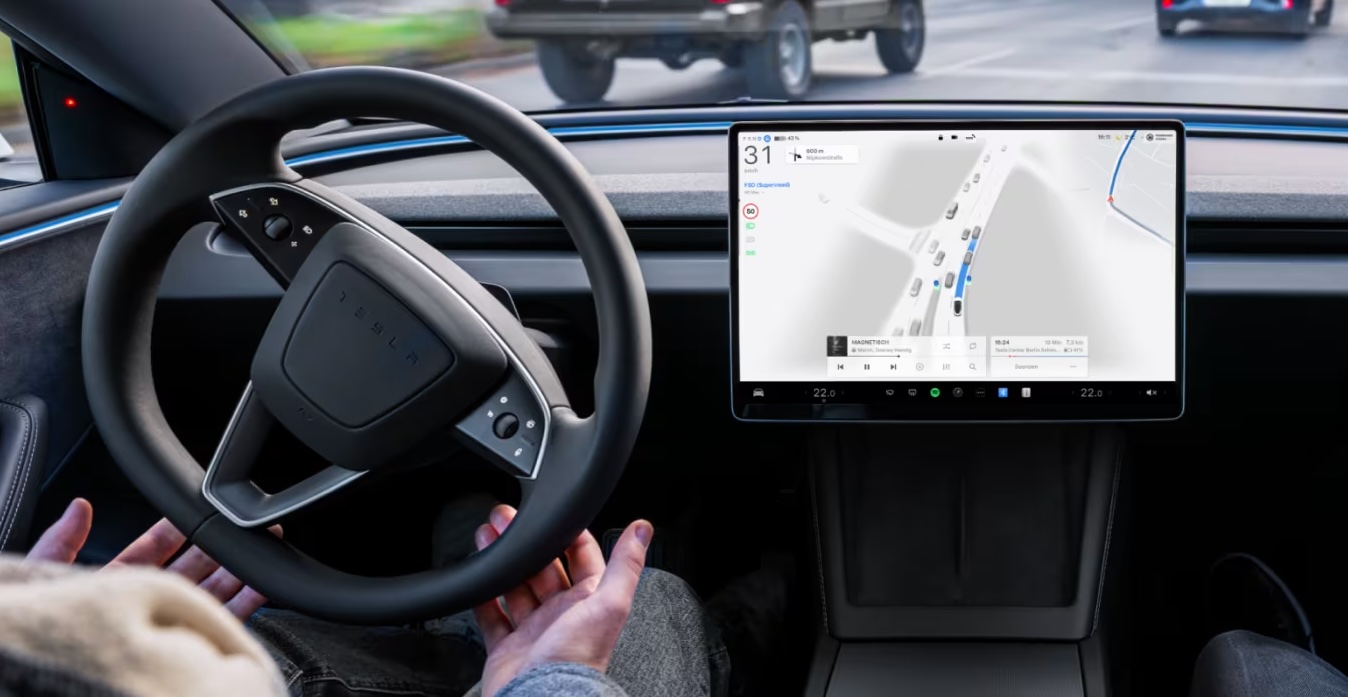
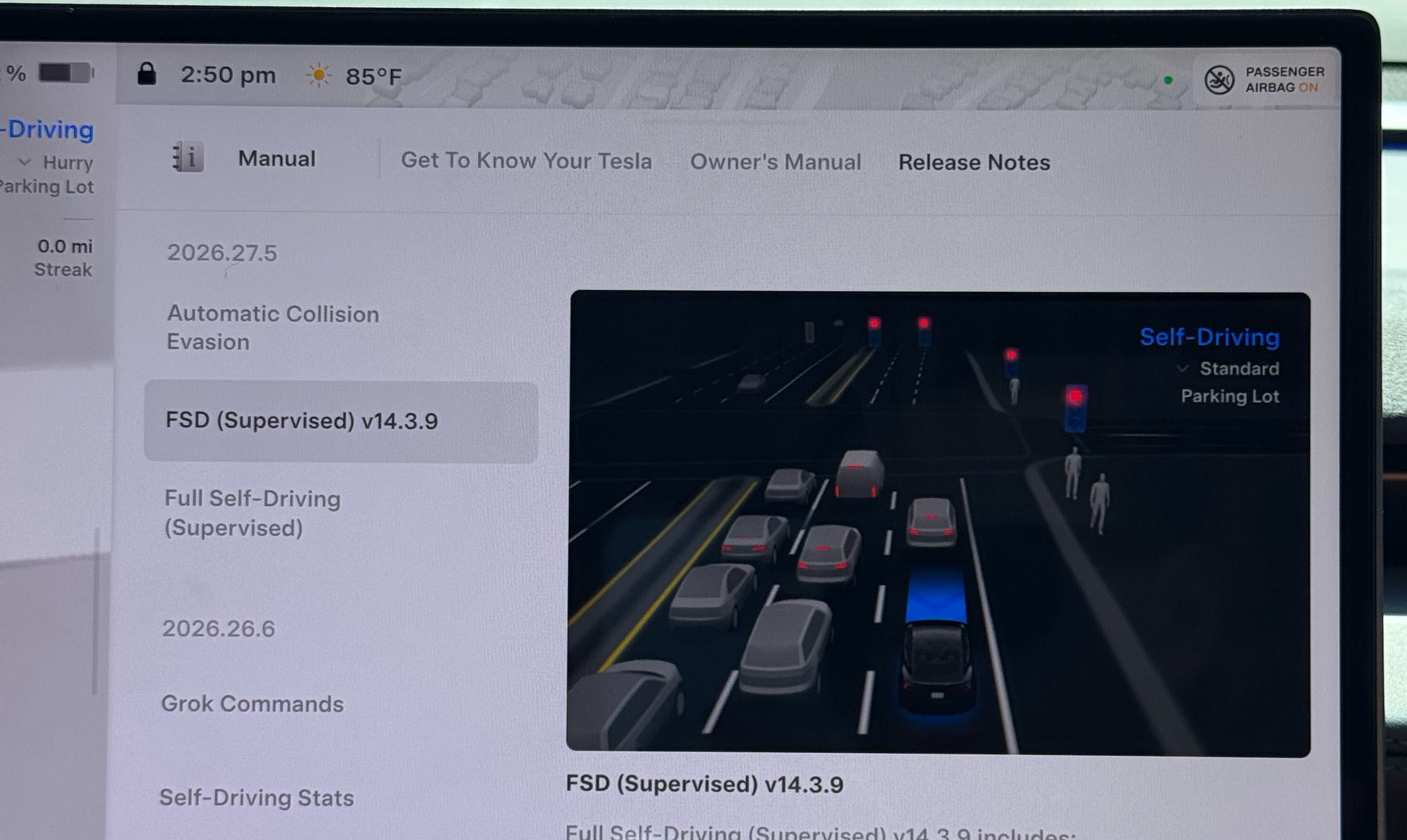
Tesla ditched radar and LiDAR years ago in favor of a pure-vision system built around eight cameras and a neural network that learns from every mile driven. Musk has called LiDAR 'a fool's errand,' arguing that if humans can drive with two eyes and a brain, a car can drive with cameras and sufficiently capable AI. That philosophy underpins Tesla's rapidly improving Full Self-Driving software, which just gained a faster Smart Summon in its latest release.

The Volvo reversal lands as validation. Where rivals bolted on costly sensor stacks to chase autonomy, Tesla bet that scale, data and neural networks would win — and its vision-only fleet now underpins one of the most widely used driver-assistance systems in the world.

Musk Touts Tesla's Vision Bet as Volvo Drops LiDAR — additional image

Real-World Impact

The payoff is not just philosophical. Tesla's camera-based FSD has become a genuine convenience and safety tool for millions of drivers, including seniors who have found new independence and mobility through the technology. Each mile those vehicles drive feeds back into the network, sharpening the system in a virtuous loop that hardware-heavy approaches struggle to match.

For automakers still wedded to LiDAR, the economics are getting harder. Sensor suites add cost and complexity, and when a key supplier stumbles — as Luminar has — an entire program can be left stranded.

The Vision Forward

Tesla, by contrast, controls its own stack end to end, from cameras to chips to the neural nets that tie them together. That vertical integration is why Musk can afford to be confident even as competitors retreat.

As Teslarati reported, Musk framed the moment as vindication of a strategy he has defended for years. With FSD improving release over release and robotaxis on the road, Tesla's cameras-first wager looks less like a gamble and more like a head start.