AUSTIN, Texas — Federal investigators have concluded that a Tesla driver, and not the vehicle's Full Self-Driving software, was responsible for a fatal June crash in Katy, Texas, a finding that directly supports Tesla's account of the incident as the company prepares for its July 22 earnings call.
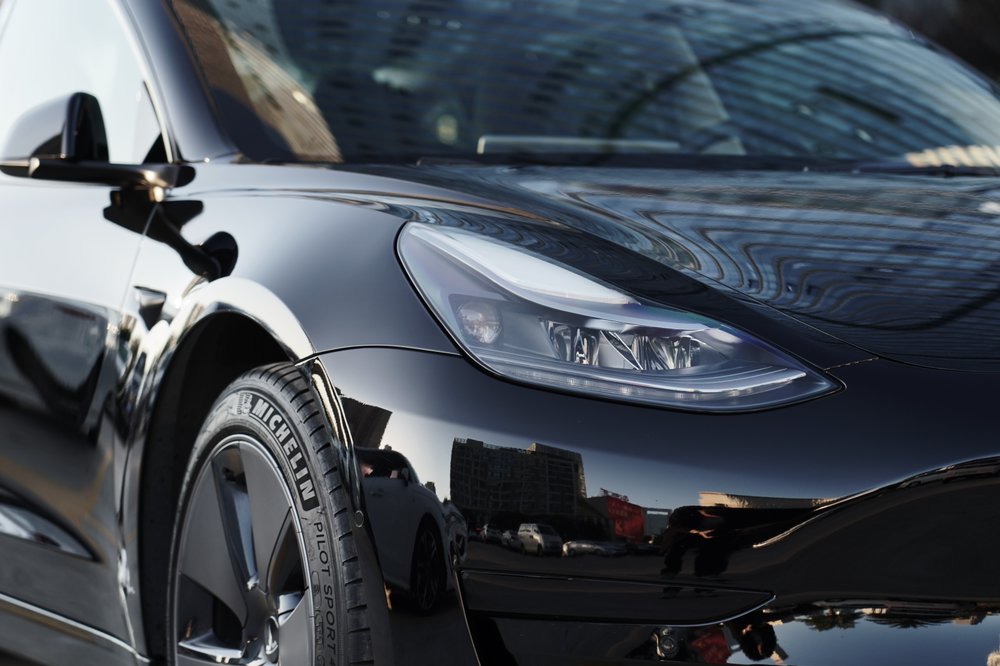
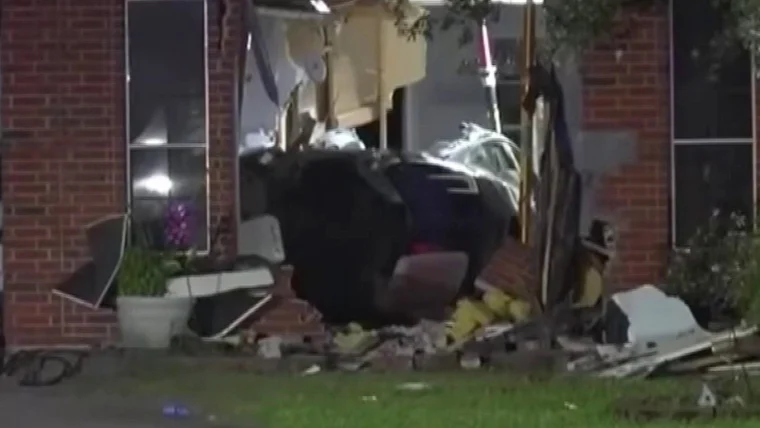
The National Transportation Safety Board released preliminary findings on July 15 confirming that the driver of a 2025 Tesla Model 3 manually overrode the car's driver-assistance system by pressing the accelerator pedal to 100 percent. Data pulled from the vehicle showed it was traveling more than 70 mph on a residential street with a 30 mph limit when it left the road and struck a home, an account first detailed by Teslarati.
What the data showed
The findings align precisely with what Tesla had said in the weeks after the crash. Ashok Elluswamy, Tesla's vice president of AI software, stated publicly that the driver "manually overrode self-driving by pressing the accelerator all the way to 100%." The recovered data confirmed that account, showing the accelerator remained pressed even after impact and that the car reached 73 mph in a neighborhood zoned for a fraction of that speed.
Weather was clear, the road was dry, and it was daylight. Security-camera footage obtained by investigators showed the car accelerating through an intersection before leaving the roadway. The driver, who initially told authorities he had passed out at the wheel, has since been charged with manslaughter.
Why it matters for FSD
The conclusion is significant because it draws a sharp line between what Tesla's system does autonomously and what a driver can override. Full Self-Driving (Supervised) manages steering, braking, and speed, but a hard press of the accelerator hands control back to the human, exactly as designed. In this case, the system was actively countermanded by the person behind the wheel.
That distinction matters as Tesla continues to expand its autonomy programs. The company recently pushed its FSD v14.3.5 update to customer vehicles, adding smoother, more courteous driving behavior. Independent confirmation that a highly publicized crash was caused by deliberate driver misuse, rather than a software failure, strengthens the safety case Tesla has been making to regulators and the public.
A pattern of vindication
The finding fits a broader pattern. Tesla has repeatedly pointed to vehicle log data to rebut claims that its systems caused crashes, and investigators have often corroborated the company's telemetry. Phone records recovered in this case showed the driver had been searching for ways to make FSD behave more aggressively in the days before the crash.
For Tesla, the timing is useful. With the fleet now generating billions of miles of supervised and increasingly unsupervised driving data, each independent review that confirms the system performed as intended adds to the evidentiary record. Analysts already argue the software is nearing an inflection point in real-world capability. As robotaxi operations scale across multiple cities and Tesla prepares to report a record quarter, a clean finding on one of the year's most scrutinized incidents removes a cloud that had hung over the FSD narrative and reinforces the case that the technology is safer than the headlines it sometimes generates.