HAWTHORNE, Calif. — Demand for a ride to orbit aboard SpaceX's Falcon 9 has grown so strong that the company's rideshare manifest is now booked deep into 2028, a sign of just how dominant SpaceX has become in getting small satellites to space. Operators who built their businesses around cheap, reliable rideshare slots are finding the calendar packed — a high-class problem born of SpaceX's record launch cadence.
A Program That Redefined Access to Orbit
SpaceX's smallsat rideshare program bundles dozens of small satellites onto a single Falcon 9, slashing the cost of reaching orbit. The current rate sits at roughly 350,000 dollars for 50 kilograms to sun-synchronous orbit, or about 7,000 dollars per kilogram — pricing that helped trigger an explosion of commercial small-satellite ventures.
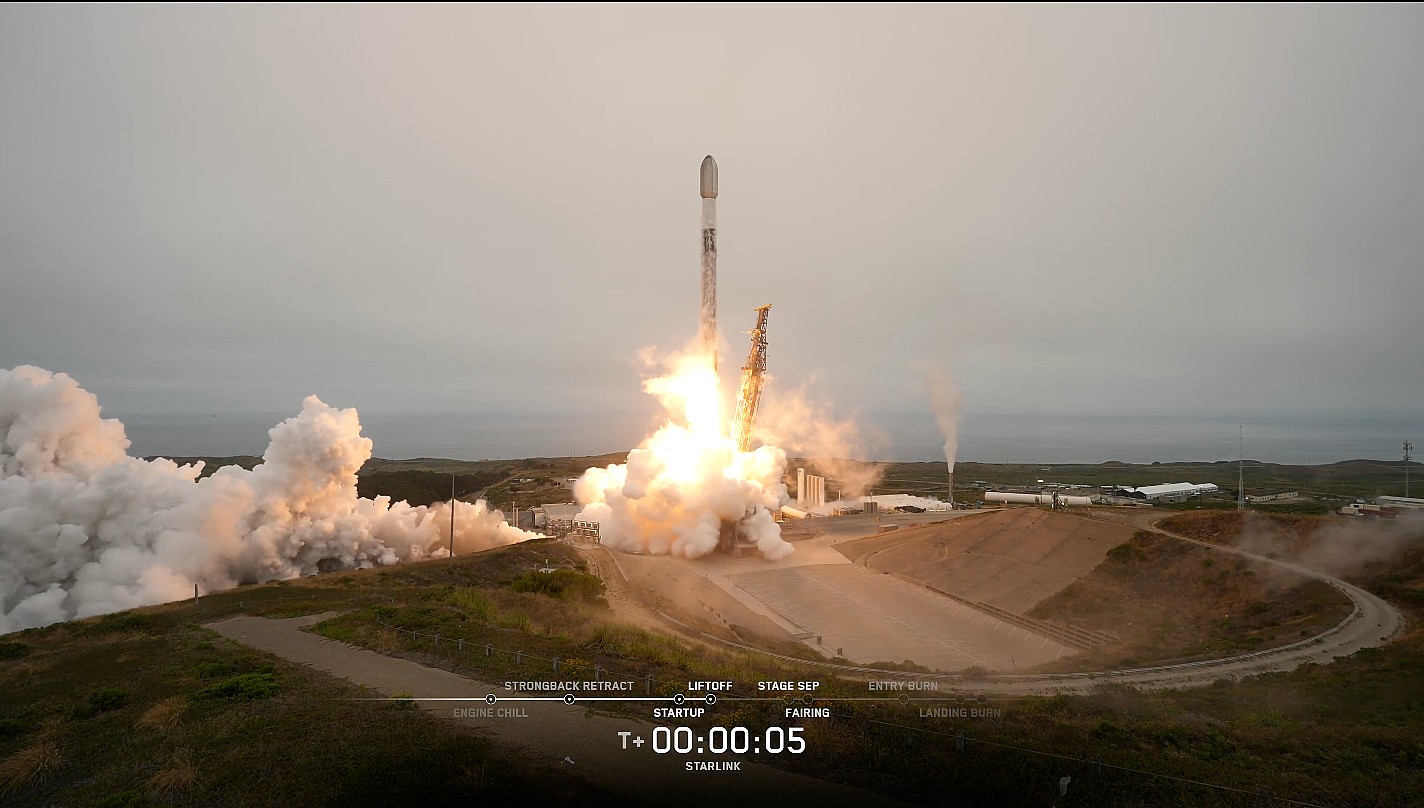
The program has since branched into distinct mission series: Transporter for sun-synchronous orbits, Bandwagon for mid-inclination orbits serving populated mid-latitude regions, and the newer Twilight series for dawn-dusk trajectories. Together they have made Falcon 9 the default highway to low Earth orbit, a position reinforced by SpaceX's blistering flight rate. The company recently capped a record first half with its 75th Falcon 9 launch of the year.
Demand Outstripping the Calendar
That cadence is exactly why slots are scarce. As SpaceX's internal manifest fills with Starlink missions and the broader smallsat market keeps growing, reservations for rideshare flights now stretch toward late 2028 and beyond, according to industry tracking compiled by SpaceNews. Smaller operators are competing for timely, predictably priced launches against an order book that keeps lengthening.