SpaceX Names Its Million-Satellite AI Network Starmind

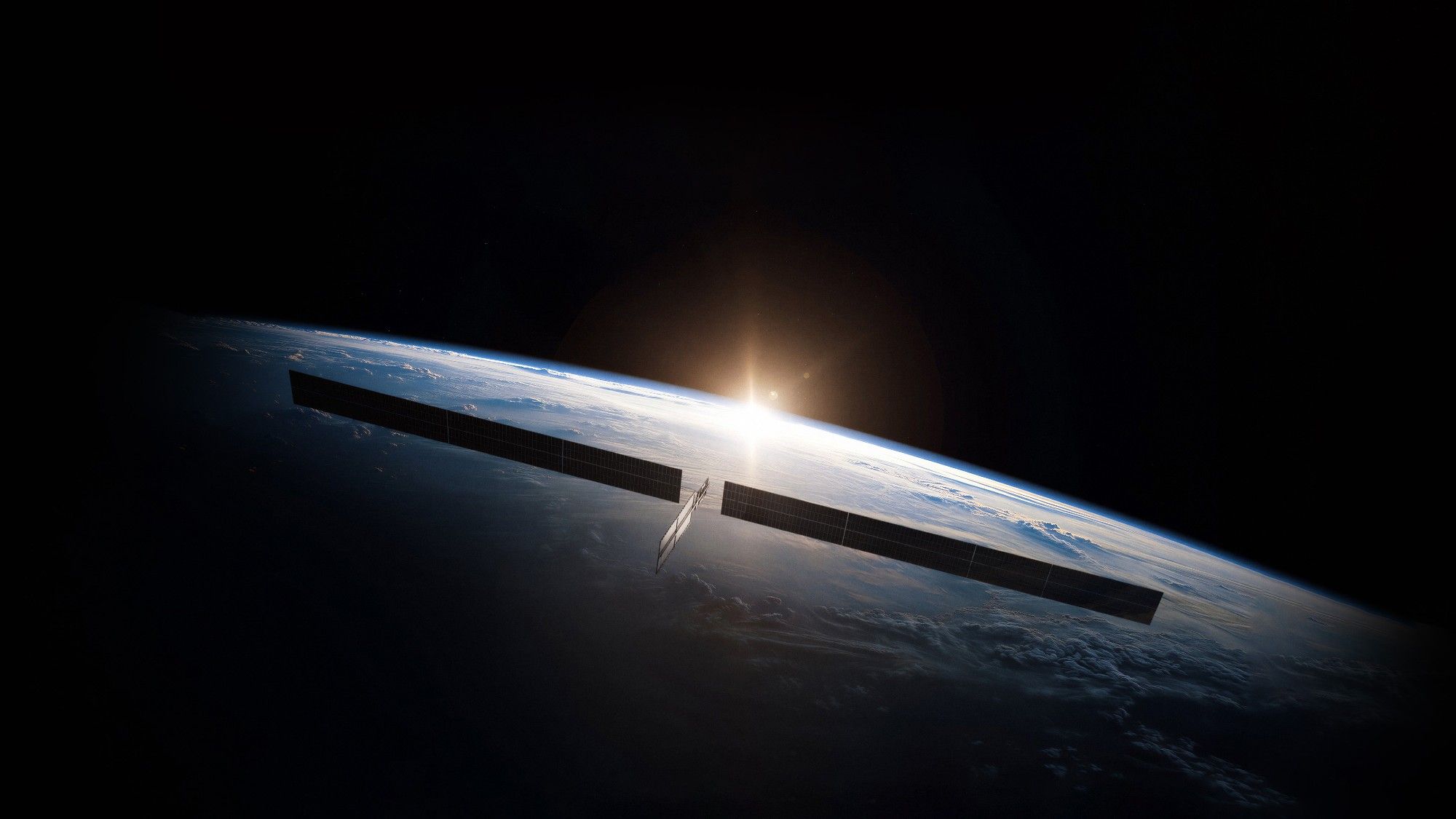
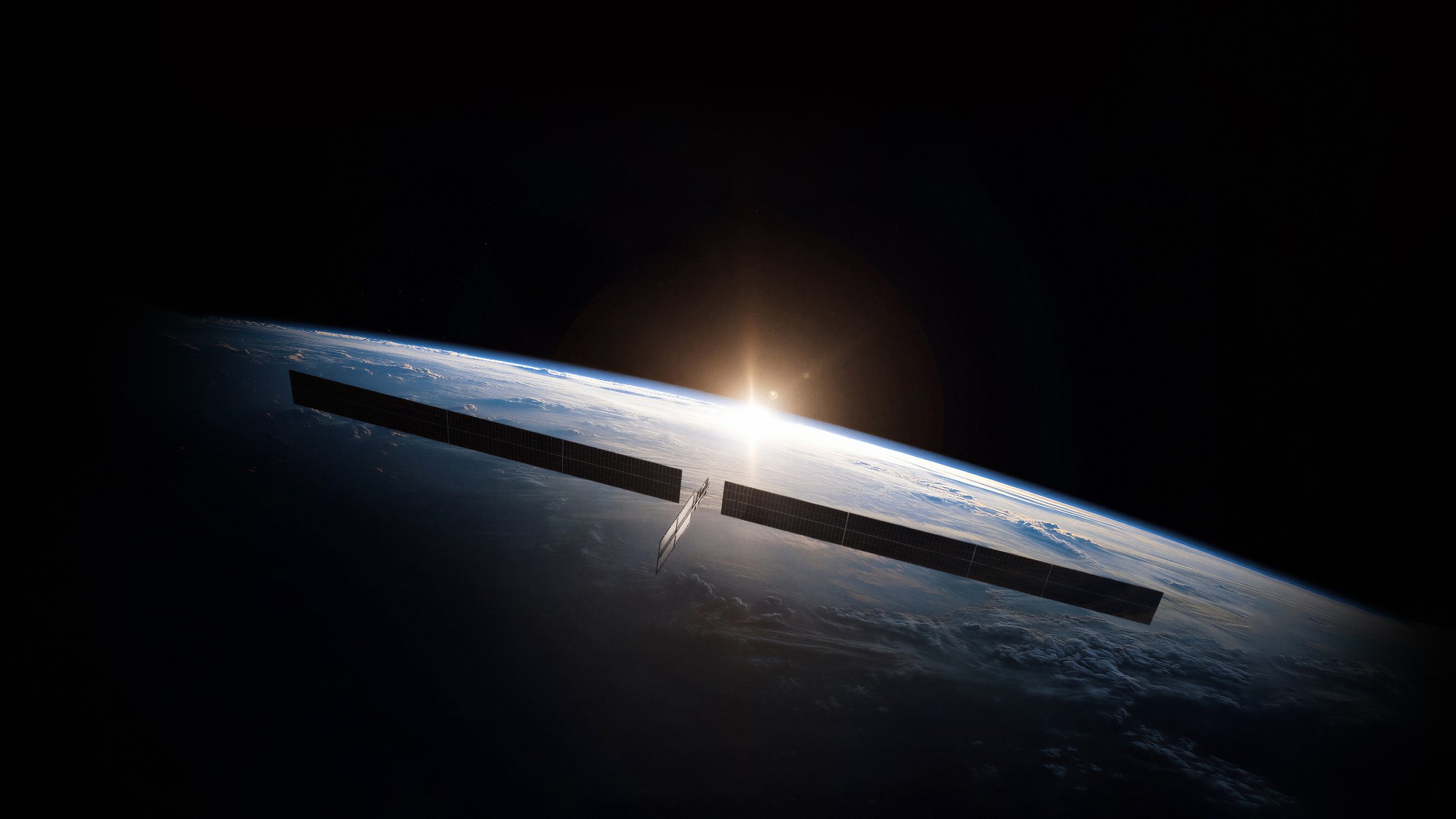
Elon Musk confirmed SpaceX will call its planned AI satellite megaconstellation Starmind — a network of up to 1 million solar-powered orbital data centers, roughly 100 times the size of Starlink.

3 min read
SpaceX Names Its Million-Satellite AI Network Starmind

BOCA CHICA, Texas — SpaceX has a name for its most ambitious orbital project yet. Elon Musk confirmed on June 23 that the company's planned AI satellite megaconstellation will be called Starmind, adding another entry to the firm's growing family of stellar-themed programs.

Starmind is designed to be roughly 100 times larger than the current Starlink network, potentially reaching up to 1 million satellites operating as distributed data centers in low Earth orbit. Rather than only relaying broadband, each Starmind satellite would carry onboard processors to run AI workloads directly in space, complementing SpaceX's broader push to weave artificial intelligence through its satellite ambitions.

Compute powered by the sun

The pitch is elegant. By harnessing near-constant solar power in orbit, Musk argues, the satellites can scale computing with little of the cooling, land and energy overhead that constrains terrestrial data centers. "It's always sunny in space," he wrote, framing the constellation as a first step toward a civilization that can eventually harness the sun's full output while supporting AI applications for billions of people.

SpaceX filed a request with the Federal Communications Commission in January 2026 to launch up to 1 million solar-powered satellite data centers, describing the system as the most efficient way to meet accelerating demand for AI compute.
SpaceX Names Its Million-Satellite AI Network Starmind — additional image

Another star in the family

The name continues a naming convention that now spans much of SpaceX's portfolio: Starship, Starbase, Starlink, Starshield, Stargaze and the newly unveiled Starfall reentry capsule. Starmind is arguably the most audacious of them all, marrying SpaceX's launch dominance with the surging global appetite for AI infrastructure.

The theme has quietly supplanted the company's older aviation-inspired lineage, which gave the world the Falcon rocket — named for the Millennium Falcon — and its Merlin and Kestrel engines. Only the Raptor engine that powers Starship still carries that earlier convention.

Built on a launch juggernaut

Starmind's scale is staggering, but so is the infrastructure behind it. SpaceX has already lofted more satellites than every other operator in history combined, and Starlink alone consists of nearly 10,700 active units. Deploying a constellation orders of magnitude larger will lean heavily on Starship, the fully reusable vehicle Musk has positioned as the backbone of SpaceX's next decade.

As Space.com reported, Starmind reflects SpaceX's long-term vision of harnessing orbit not just for connectivity but for computation. With a name now attached and an FCC filing already on record, the company has taken another concrete step toward turning low Earth orbit into humanity's next great data center.