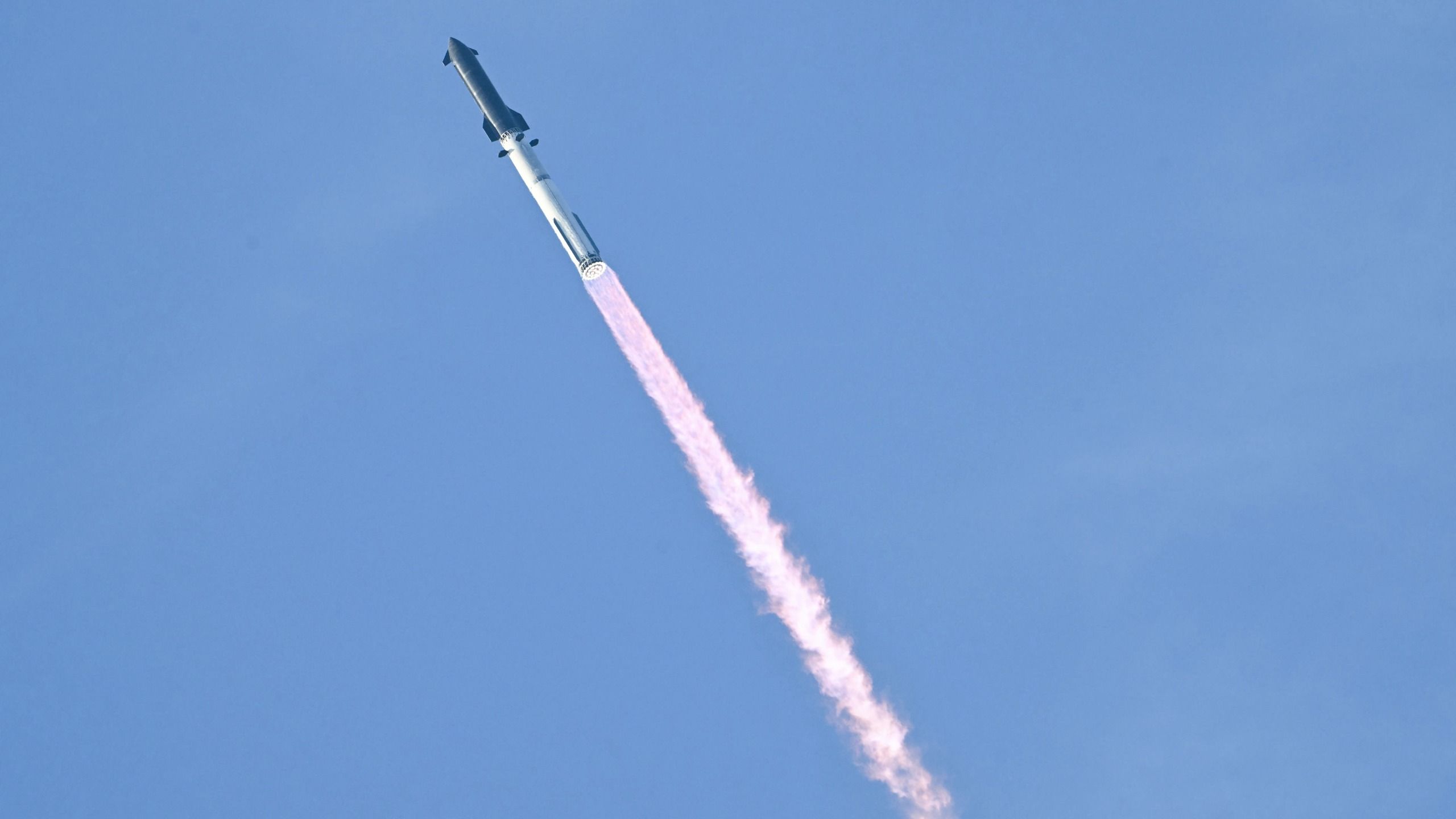
BOCA CHICA, Texas — SpaceX made history on Monday morning, sending its towering Starship rocket into orbit for the first time and clearing the single biggest hurdle between the company and a fully reusable transportation system for the Moon and Mars. Flight 14 lifted off from Starbase at 8:48 a.m. EDT, and within the hour Elon Musk confirmed the milestone on X: "First orbital flight of Starship successful!"
The result caps a development campaign that ran across more than a dozen increasingly ambitious test flights and arrives just days after the FAA cleared the vehicle to fly. For the first time, the largest and most powerful launch vehicle ever built reached low Earth orbit in one piece.
A Clean Climb, Even With an Engine Out
The ascent was not flawless, which only made the outcome more striking. One of the six Raptor engines on the upper stage shut down shortly after liftoff, prompting controllers to briefly wave off the orbital attempt before reversing course and pressing ahead. Starship's flight computer compensated for the lost thrust and guided the ship into a stable orbit, proving the vehicle can absorb a failure that would have ended earlier flights.
The Super Heavy booster performed just as convincingly. About seven minutes after launch it settled into a controlled splashdown in the Gulf of Mexico, a demonstration the team called the cleanest yet for the upgraded V3 design. Each step moves SpaceX closer to catching and reflying both stages, the economic key that makes Starship unlike any rocket before it.
26 Starlink V3 Satellites Along for the Ride
Flight 14 was not just a test article chasing altitude. Tucked inside was a payload of 26 next-generation Starlink V3 broadband satellites — hardware far too large and heavy for the Falcon 9 fleet to carry. As TechCrunch reported, the ship began releasing the satellites roughly half an hour into the flight, opening the door to the gigabit-class home internet speeds SpaceX has promised.
Three of the satellites carried cameras trained on Starship's heat shield, gathering the reentry data engineers need to prove the ship can survive the return trip and fly again. The vehicle stayed in orbit for roughly eight hours before a planned splashdown in the Pacific off the coast of Chile, closing out a mission that lasted close to ten hours end to end.
The Road to the Moon and Mars
With orbit finally checked off, Starship's near-term calendar opens up quickly. The milestone is a prerequisite for the commercial Starlink launches that will fund the program, for the NASA Artemis lunar landings that count on Starship as a crewed lander, and for the propellant-transfer and rapid-reuse demonstrations that Mars missions will require.
Monday's success turns years of fiery test flights into a working orbital rocket. The next flights will push toward booster catches, ship recovery and eventually crewed missions, and SpaceX has already begun proving out the reuse economics that make it all work, recently reflying flown heat-shield tiles for the first time. The hardest question — whether Starship could reach orbit at all — now has an answer.