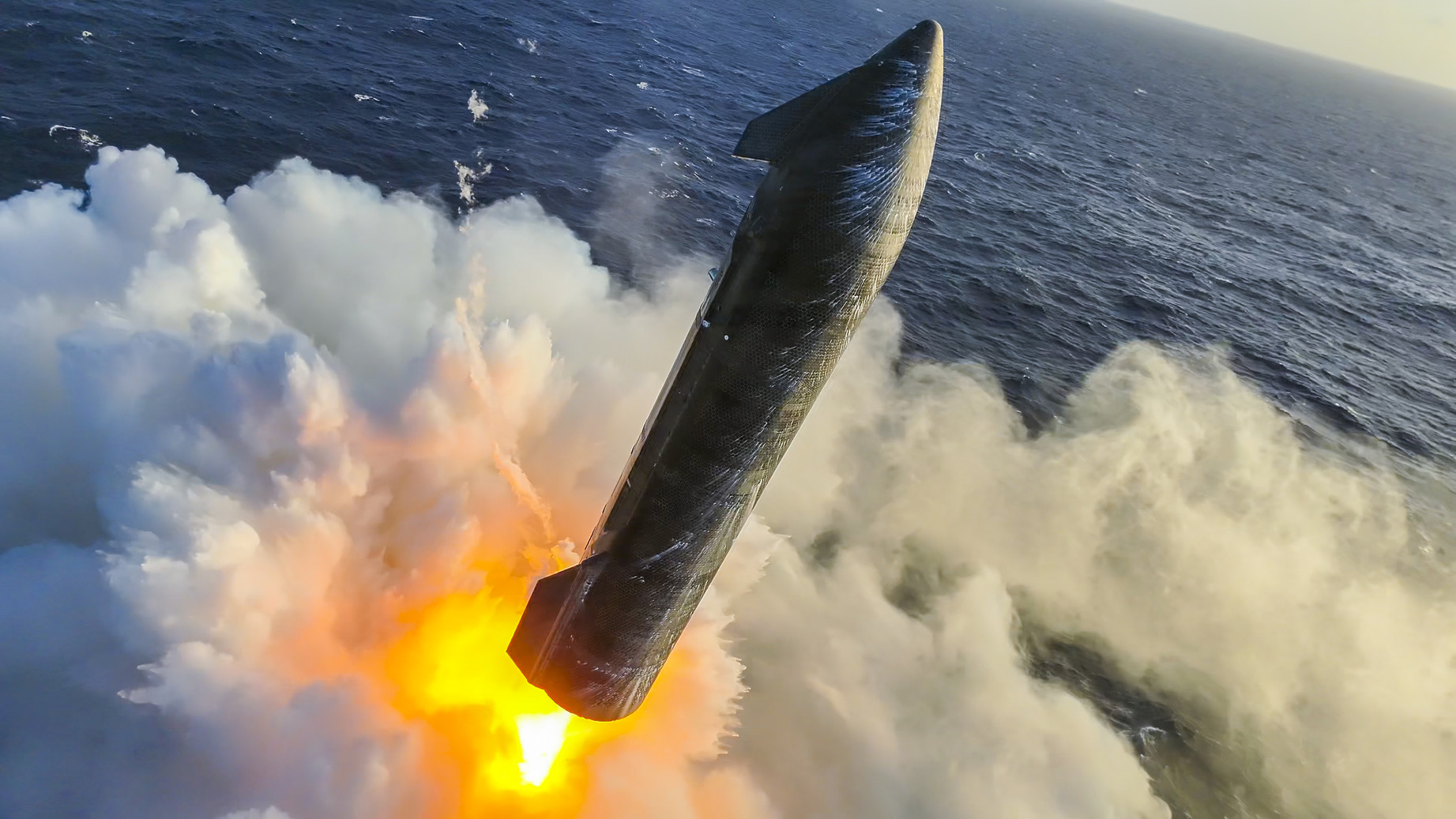
BOCA CHICA, Texas — SpaceX is setting up what could be one of the defining moments in rocketry: on this week's earnings call, Elon Musk confirmed that Starship Flight 15 will launch in November and attempt, for the first time, to catch the upper-stage Ship with the launch tower's chopstick arms.
A Dual Catch
Flight 15's headline goal is audacious even by SpaceX standards — a dual-catch scenario in which both the Super Heavy booster and the Ship return to be plucked out of the air by the tower. Catching the booster is now a practiced maneuver, but no one has ever caught the second stage of an orbital-class rocket. Musk called a success "the first time that an orbital launch vehicle has been fully recovered" and described it as a "profound technology milestone."
He put the odds of the Ship catch at "more likely than not," while cautioning that SpaceX is prepared to make additional attempts if the first comes up short. That measured confidence follows the steady progress chronicled as the FAA weighs SpaceX's plan for hundreds of Starship launches a year, a cadence that only becomes possible once both stages can be recovered and reflown.
Why Full Reuse Changes Everything
SpaceX has never reused a Ship after launch, so a clean catch would open the door to the rapid turnaround that has always been Starship's central promise. The booster-catch architecture already eliminates the need for landing legs and ocean platforms on the first stage; extending it to the Ship would give SpaceX a fully reusable, tower-to-tower vehicle able to fly again in a fraction of the time.
