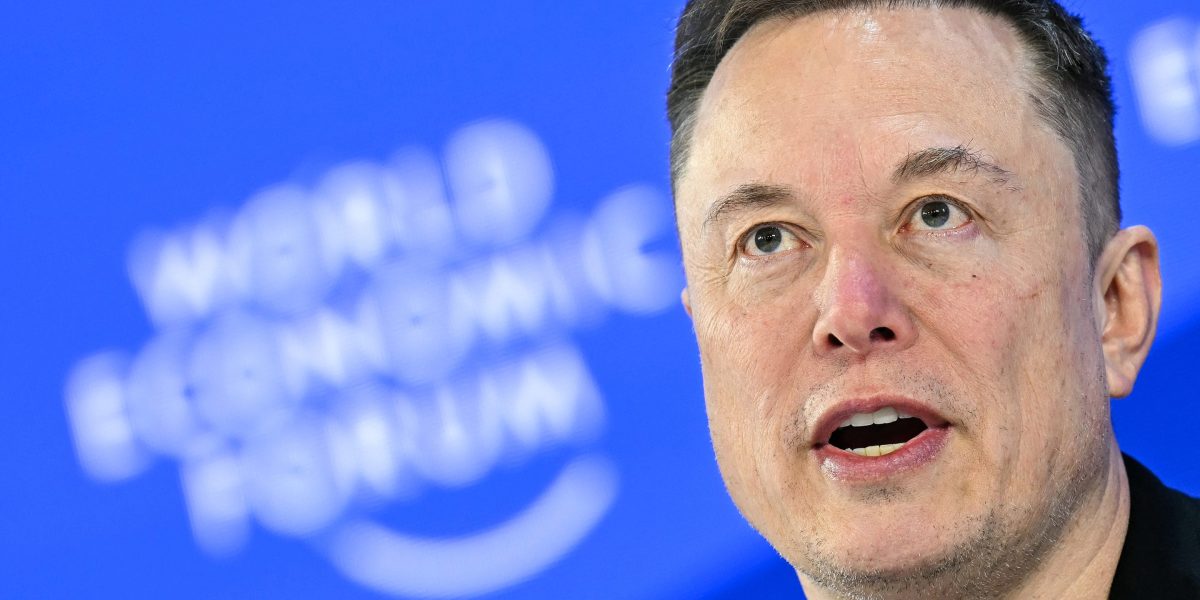
HAWTHORNE, Calif. — Elon Musk now controls two of the most valuable companies on Earth, and a growing debate on Wall Street asks which one will ultimately be bigger: the rocket-and-satellite powerhouse SpaceX, or the electric-vehicle and AI pioneer Tesla.
Recent estimates put SpaceX's market value around $1.95 trillion and Tesla's near $1.5 trillion — a combined footprint that would have seemed unthinkable a few years ago. Together they represent one of the most remarkable wealth-creation stories in modern business, one public investors have embraced since the $SPCX debut earlier this year.
SpaceX's breakneck growth
SpaceX has become the momentum story. The company posted roughly 92% revenue growth in the second quarter, powered by a record launch cadence and the runaway success of Starlink, and analysts see room for profit margins to reach around 45% as the business matures. Its 2026 debut on the Nasdaq — and its merger with xAI, valued at $1.25 trillion — turned it into a public-market heavyweight almost overnight.
Tesla's next chapter
Tesla, meanwhile, is in the middle of a transformation from automaker to AI-and-robotics company. Its core vehicle business continues to generate enormous revenue, but the upside investors are watching lies in robotaxis, the Optimus humanoid program and a booming energy-storage division. With third-quarter deliveries due within days — and expectations running high, as laid out in our Q3 delivery preview — Tesla has a stack of catalysts that could reaccelerate its growth story.