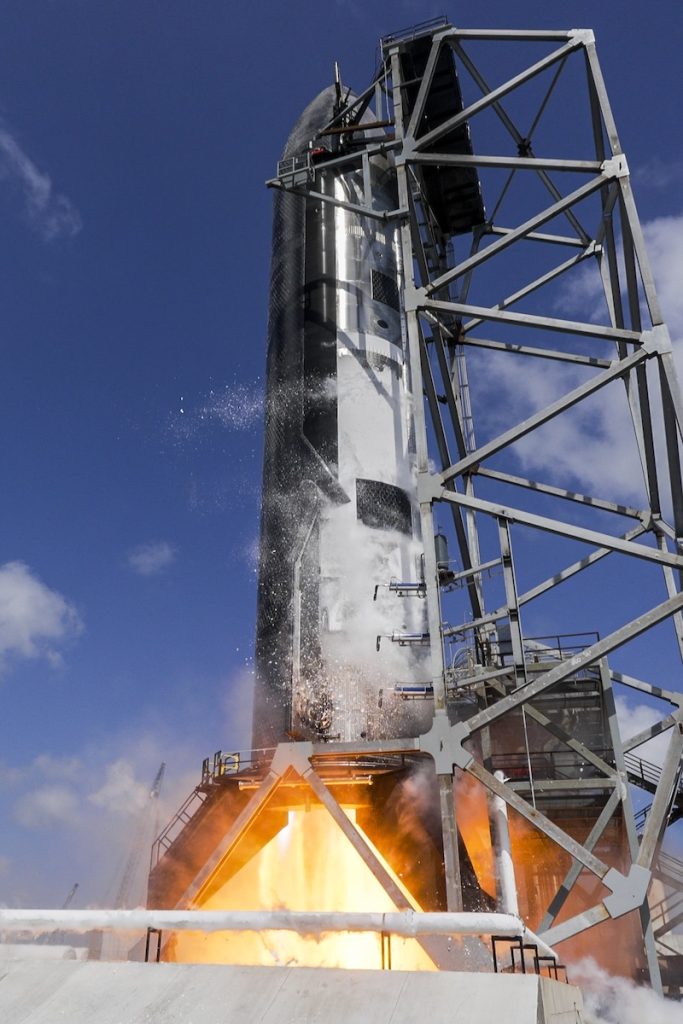
NEW YORK — SpaceX is about to become a stock that millions of people own whether they chose it or not. Before the market opens on July 7, Elon Musk's rocket and AI company will join the Nasdaq-100, and index funds tracking the benchmark will have to make room for it — a milestone that arrives barely three weeks after the largest IPO in history.
SpaceX (NASDAQ: SPCX) qualified just 15 trading days after its June 12 debut, one of the quickest additions the index has ever seen. The move follows a rule change that lets certain large IPOs enter after 15 trading days if they rank among the Nasdaq-100's biggest members by market value, and it cements SpaceX's arrival as a blue-chip name almost overnight. It also caps a remarkable stretch for the newly public company, whose shares have already drawn a wide range of Wall Street price targets.
Why Funds Have to Buy
An index fund does not pick stocks; it holds whatever the index holds. So when the Nasdaq-100 adds SpaceX, every fund tracking it must buy shares. J.P. Morgan estimates that forced demand at about $4.3 billion, much of it likely to hit after the close on July 6, the day before the change takes effect. More than $800 billion is benchmarked to the index through the Invesco QQQ Trust and a long list of 401(k) and retirement funds.
Because SpaceX's publicly tradable float is small relative to its enormous market capitalization, the stock is estimated to enter at a weighting of less than 1%. And because this is a fast-track addition, no existing member is being dropped — the index will simply hold more than 100 names for a while. S&P Dow Jones Indices, by contrast, has signaled it will wait at least a year before weighing SpaceX for the S&P 500.