AUSTIN, Texas — Tesla has quietly secured one of the largest clean-power deals in its history, locking up roughly 90% of the output from a sprawling new solar and battery project rising in the Arizona desert.
The development, named Sterling, is taking shape on more than 2,000 acres about 20 miles north of Lake Havasu City in Mohave County. Developer ContourGlobal broke ground on October 6, and when it comes online in 2028 it will rank as the company's largest renewable energy asset anywhere in the world.
A Plant Built for Tesla
Under a long-term power purchase agreement, Tesla will take about 1 terawatt-hour of electricity per year — along with the associated renewable energy certificates — from Sterling. That is close to 90% of the plant's expected annual output of more than 1.1 TWh, effectively making the automaker the anchor customer for the entire project.
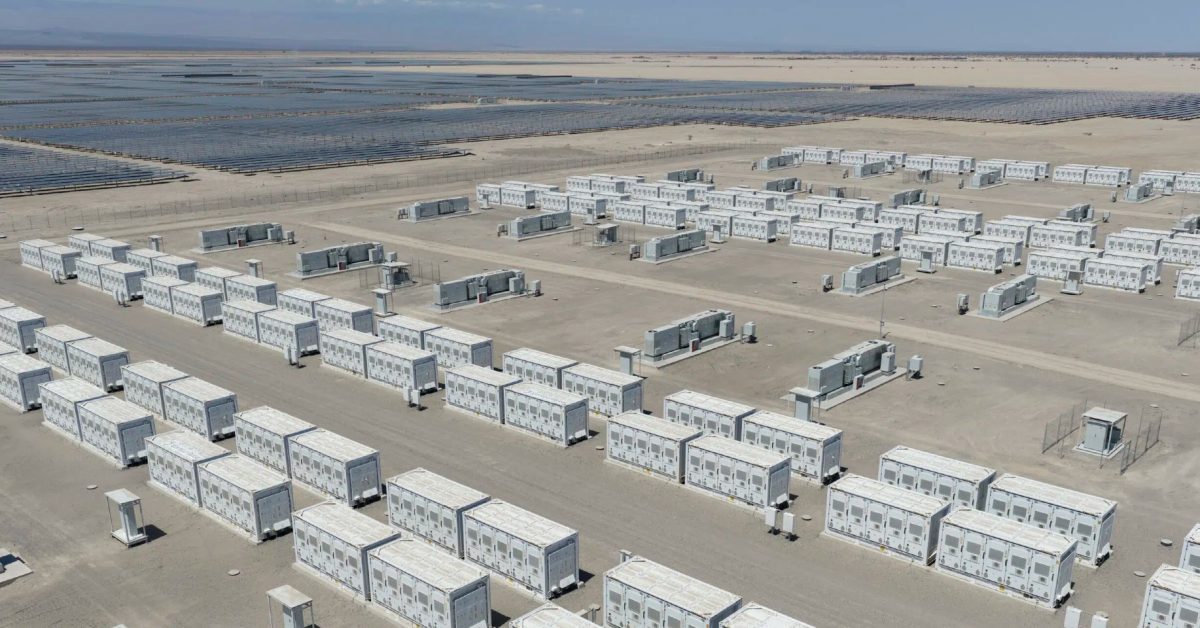
The scale is considerable. Sterling will install more than 760,000 solar panels for 509 MW of direct-current capacity, delivering 450 MW after conversion to alternating current. Paired with the array is a battery system of more than 300 containers capable of pushing out up to 360 MW and storing roughly 1.4 GWh — enough to run at full power for about four hours. Together, solar and storage are designed to supply clean electricity for as much as 16 hours a day.
Tesla's appetite for round-the-clock clean power has grown alongside its manufacturing footprint, from Gigafactory expansions to the Nevada lines now turning out the Tesla Semi in volume.
Grid-Scale Engineering
The batteries use lithium iron phosphate chemistry with liquid cooling and integrated fire protection — the same durable, safety-first approach Tesla has championed for stationary storage. Sterling will connect to the Western Area Power Administration's grid and has already secured transmission rights into the California ISO market, giving the clean electrons a path to high-demand customers.
