Tesla Cybercab Specs Revealed in EPA Filing: 3,113 lbs, 219 HP

Newly surfaced EPA certification documents lay out the Tesla Cybercab's full technical profile for the first time: a 3,113-lb curb weight, a 219 HP motor, a 48 kWh battery, and roughly 300 miles of real-world range.

3 min read
Tesla Cybercab Specs Revealed in EPA Filing: 3,113 lbs, 219 HP

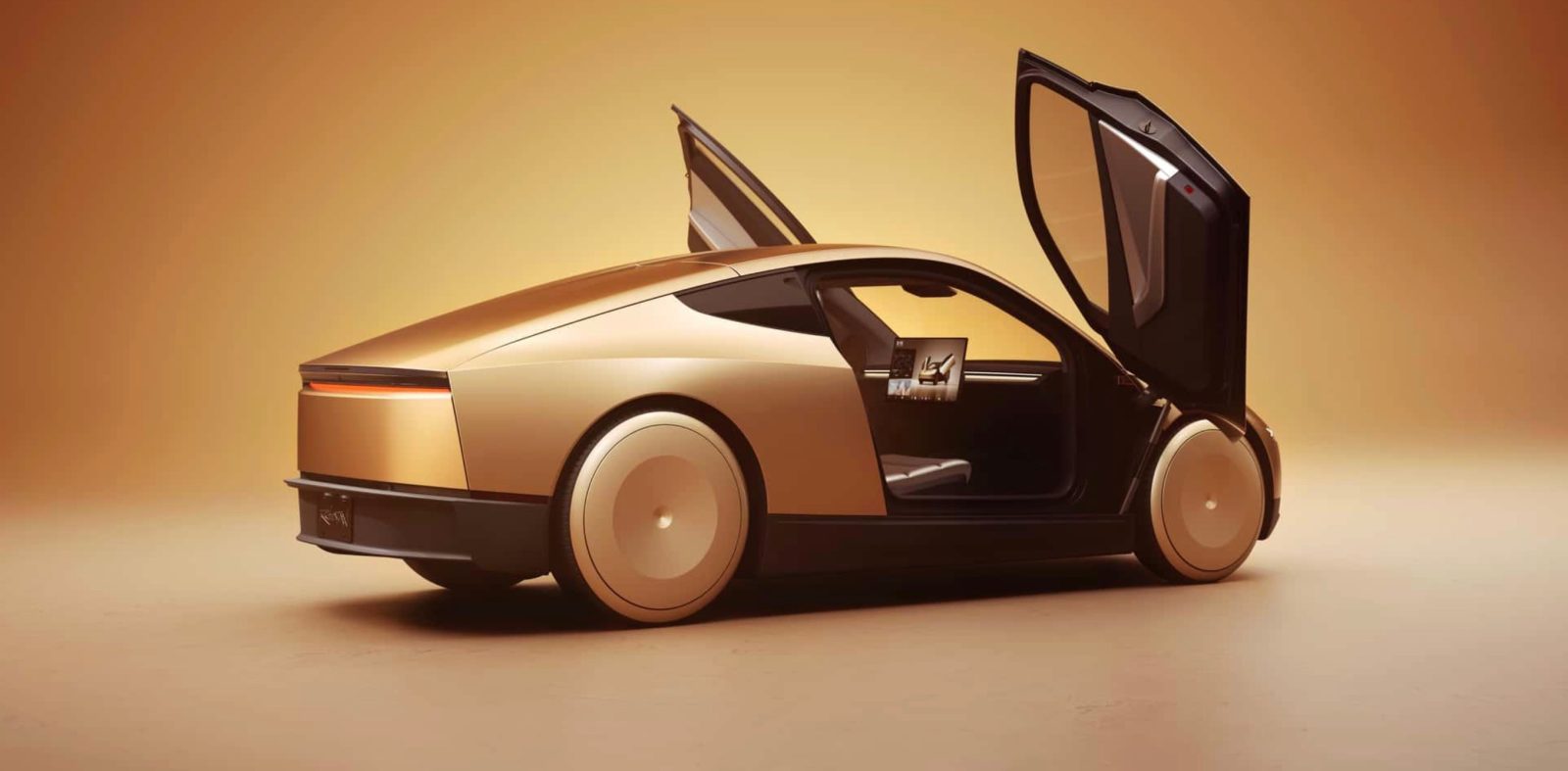
AUSTIN, Texas — Tesla's Cybercab has revealed its full hand. Newly surfaced EPA certification documents lay out the driverless two-seater's complete technical profile for the first time: a 3,113-pound curb weight, a 219-horsepower motor, and a 48-kWh battery pack that together deliver some of the most efficient numbers the agency has ever recorded.

The data comes from EPA test group TTSLV00.0L1A, filed May 21 and certified May 26, 2026. It confirms several figures Tesla had teased while filling in details the company's marketing left blank — and it arrives just as the Cybercab expands its road presence beyond Austin into Los Angeles, Dallas, and Nevada.

A Powertrain Built for Efficiency

At the heart of the Cybercab is an AC three-phase permanent-magnet motor rated at 163 kW, or 219 horsepower, driving the front wheels through a single-speed transmission. That is modest output by Tesla standards, but it is a deliberate choice. Electric motors run most efficiently in specific bands of their torque curve, and an oversized motor loafing through city traffic stays in that sweet spot far more often than a small motor working hard.

The battery is a single lithium-ion pack rated at 326 volts and 146 amp-hours — roughly 47.6 kWh of usable capacity. Tesla lists a recharge energy of 53.365 kWh drawn from the wall, reflecting normal charging losses, and the Cybercab's primary charging method is wireless inductive charging rather than a plug.

Class-Leading Range From a Small Battery

The headline number is range. The EPA's unadjusted combined figure is 418.2 miles, with a highway figure of 375.4 miles. Applying the agency's standard 0.7 correction factor brings the real-world estimate to roughly 293 miles — squarely in line with Tesla's earlier promise of "close to 300 miles" and consistent with the roughly 165 Wh/mi efficiency rating that already made the Cybercab the most efficient EV the EPA has tested.
Tesla Cybercab Specs Revealed in EPA Filing: 3,113 lbs, 219 HP — additional image

Pulling nearly 300 miles of usable range from a 48-kWh pack is a remarkable engineering result, and it is central to the robotaxi economics Tesla is chasing: less battery per mile means a lower cost per ride.

Lightweight, but Heavier Than Expected

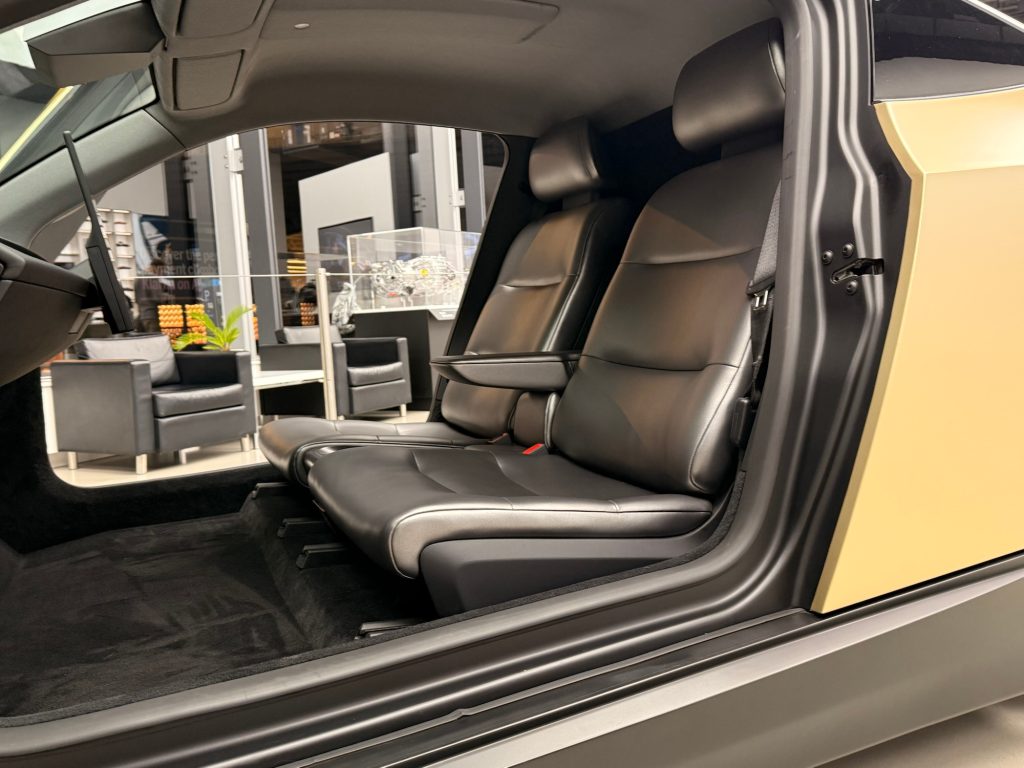
At 3,113 pounds, the Cybercab is about 750 pounds lighter than a Model 3 Standard Range, even while carrying autonomous-driving hardware, cameras, and a compute module that a conventional car does without. Its gross vehicle weight rating of 3,730 pounds leaves around 617 pounds of payload — enough for two passengers and their luggage. The front-wheel-drive layout, a first for a mainstream Tesla, points to packaging and cost savings: no rear subframe, no driveshaft, fewer parts. That confidence in the platform is shared on Wall Street, where Piper Sandler argues Tesla has effectively reached Level 4 autonomy.

Cleared for the Road

The filing lists an "introduction into commerce" date of May 29, 2026, a milestone that has already passed as production ramps at Giga Texas. The certification covers federal and California standards, including ZEV and ILEV designations, clearing the Cybercab for roads nationwide from an emissions and efficiency standpoint.

With the hardware now fully documented in federal filings — as Electrek detailed from the raw EPA records — the Cybercab's engineering story is settled. The next chapter belongs to the software, as Tesla works toward the unsupervised autonomy that will finally let these remarkably efficient little robotaxis earn their keep.