Tesla Denies Shanghai FSD Shutdown, Says China Work Is Accelerating

Tesla is pushing back hard on rumors it pulled its Full Self-Driving team out of China, saying its Shanghai data center is operating normally and hiring is speeding up.

3 min read
Tesla Denies Shanghai FSD Shutdown, Says China Work Is Accelerating

AUSTIN, Texas — Tesla is forcefully denying rumors that it has retreated from its Full Self-Driving effort in China, telling local media that its Shanghai data center is "operating normally," that hiring for driver-assistance roles is accelerating, and that the work is progressing steadily.

The rebuttal came after speculation swept Chinese social media this week claiming Tesla had emptied the Shanghai facility, withdrawn its liaison teams and cut related jobs. Tesla China pushed back through outlets including Tencent Tech and National Business Daily, and even took the unusual step of reporting the rumors to police, a signal of how seriously the company is treating the claims.

Where the Confusion Started

Much of the noise traces back to a single detail. China does not appear on Tesla's list of 12 markets where customers can subscribe to FSD (Supervised) — a roster that includes the United States, Canada, Australia, South Korea and several European countries. Yet elsewhere on Tesla's site, China is still listed among markets where the system is available for use.

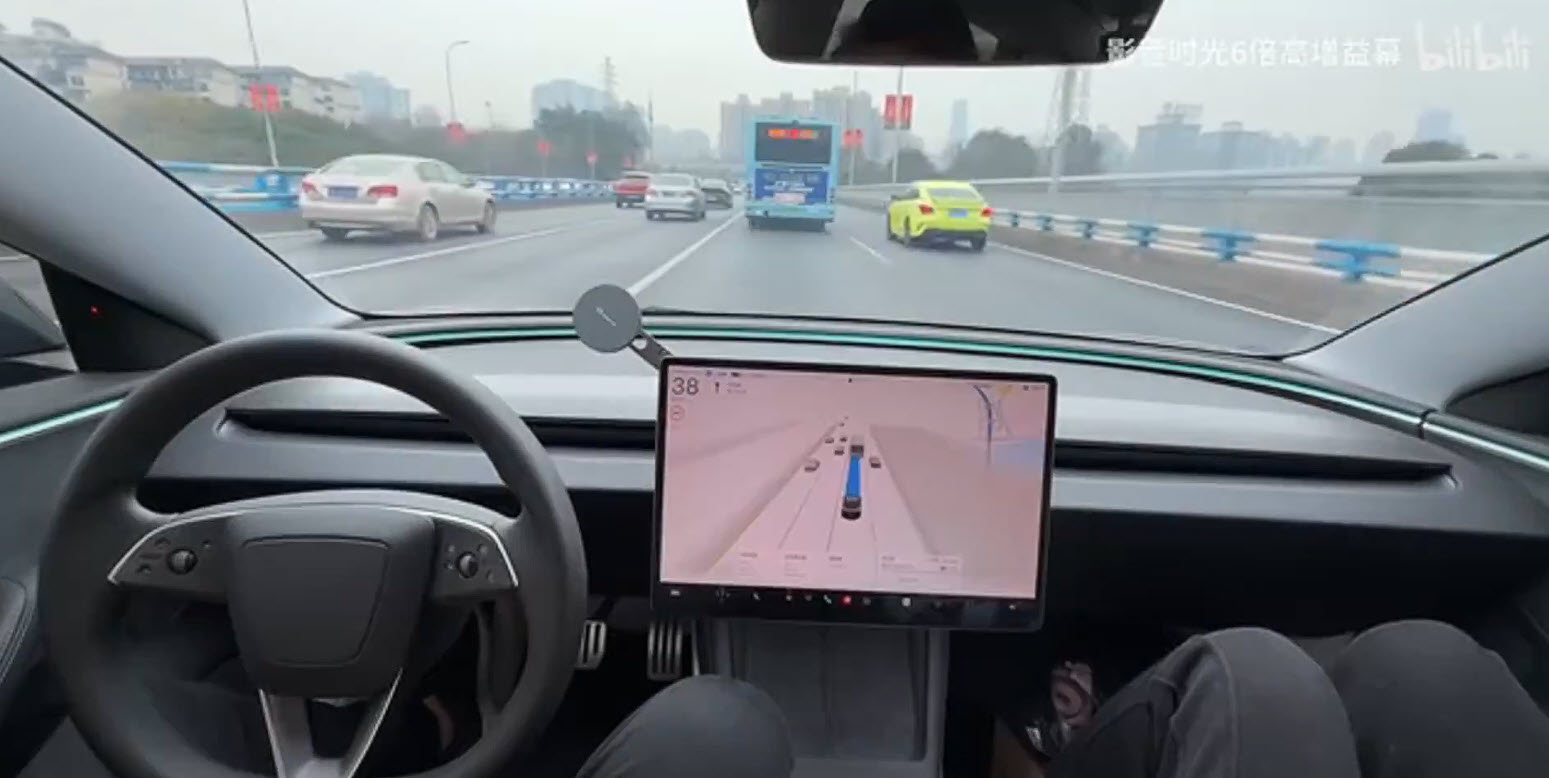
That apparent contradiction is really a distinction between where subscriptions are sold and where the software is cleared for use. Tesla announced FSD availability in China in May 2026 and has since adapted the system for the country's unique roads, even rebranding it locally as "Tesla Assisted Driving" while it awaits a broad regulatory green light.

Tesla Denies Shanghai FSD Shutdown, Says China Work Is Accelerating — additional image

Building the Foundation

Far from retreating, Tesla has spent years laying groundwork inside China. Its Shanghai data center opened in 2021 to keep vehicle data local, as Beijing's rules require, and an AI training center in the city's Lingang area reportedly began operating earlier this year. Those investments are exactly what a company preparing for a full rollout — not abandoning one — would put in place.

Tesla has continued to refine the system for local conditions, part of the same disciplined, step-by-step approach it has taken as it unified FSD v14 across Hardware 3 and Hardware 4 worldwide. The company has also managed nearly 3 million China vehicles through over-the-air updates, underscoring how deep its software footprint in the market already runs.

The Prize Is Still Ahead

China is the world's largest EV market, and a cleared, city-wide FSD product there would be a powerful differentiator for Tesla against fast-moving domestic rivals. The company's message this week was unambiguous: the Shanghai team is intact, recruitment is growing, and the long-running effort to bring supervised autonomy to Chinese drivers is very much alive.

For a company that has repeatedly turned regulatory patience into long-term advantage, the denial reads less like damage control and more like a reminder that Tesla is still playing the long game in China — and still intends to win it.