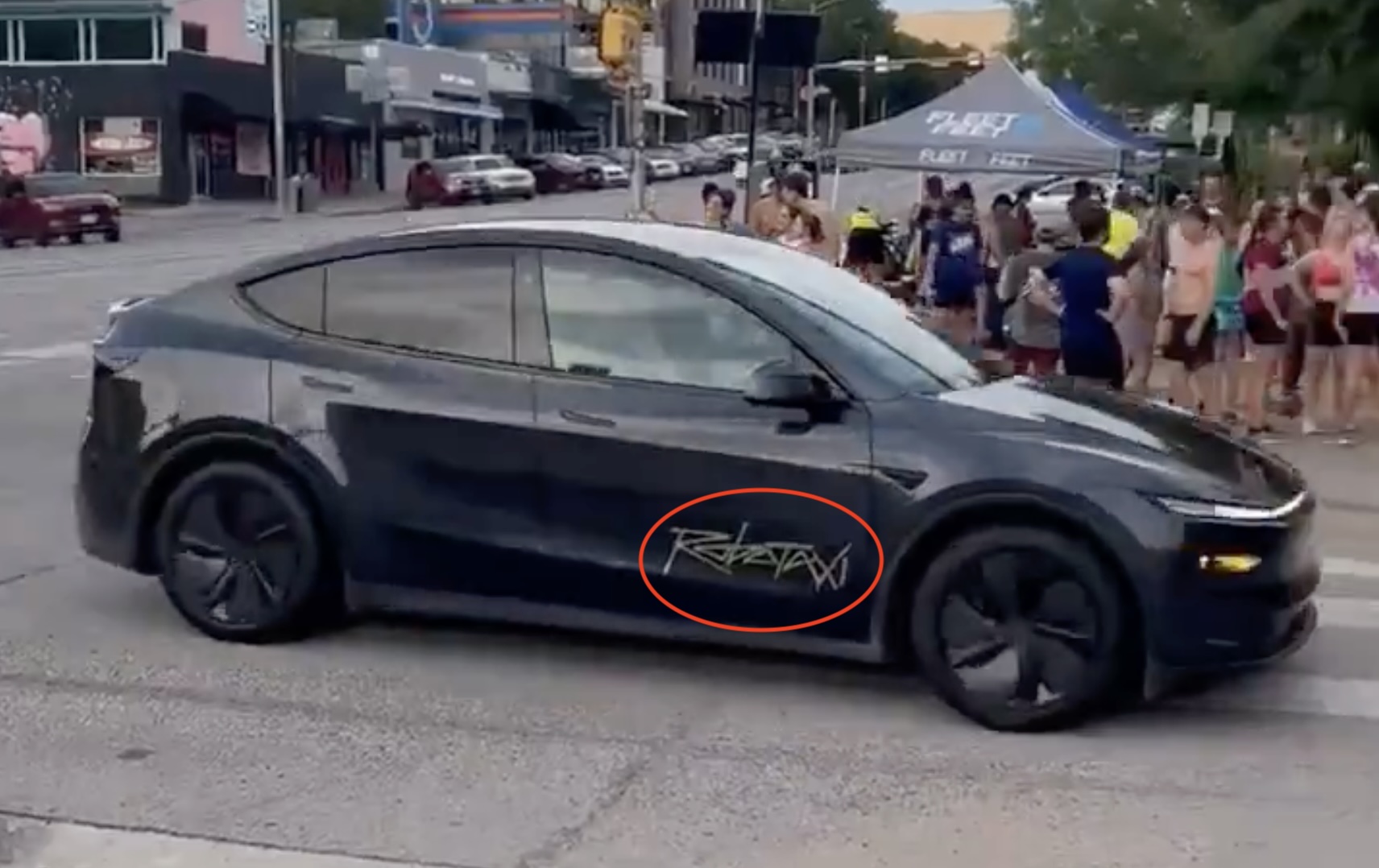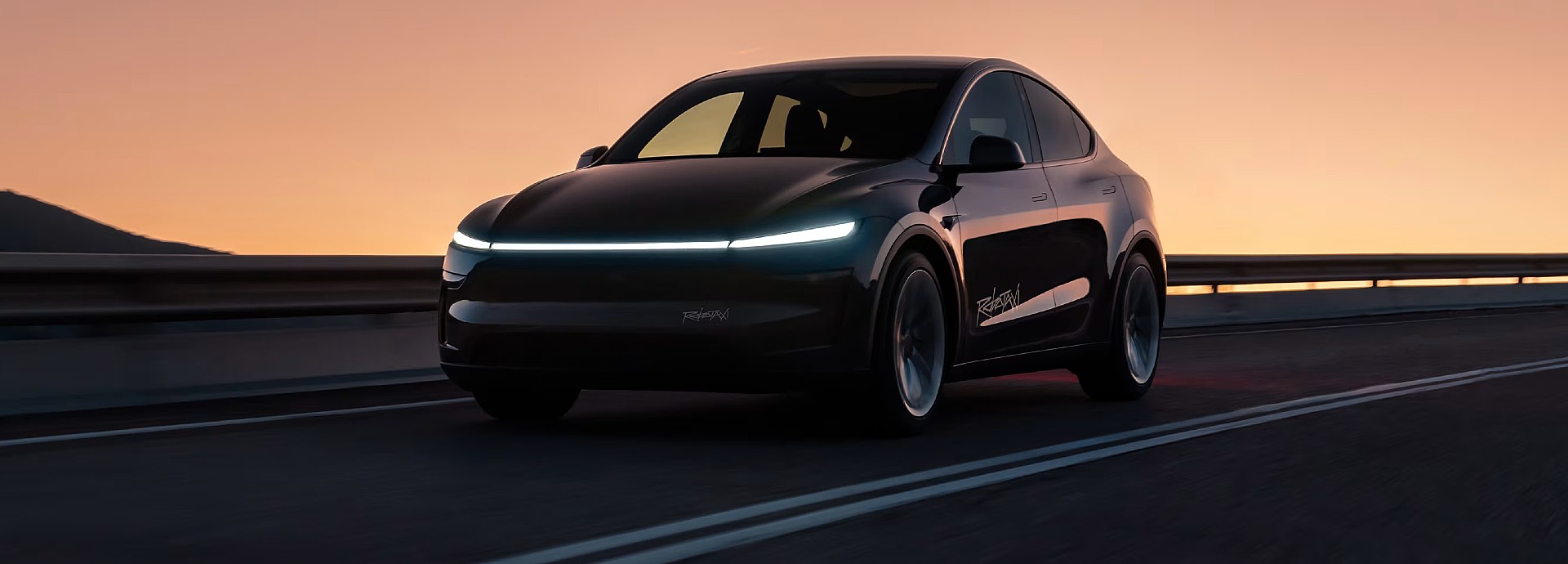
AUSTIN, Texas — Tesla's autonomous push in its home state is scaling fast. A new count circulating among Tesla watchers puts the number of driverless Teslas operating across Texas at 84 — spread among registered robotaxis, unsupervised Model Y vehicles and a growing wave of Cybercabs rolling out of Giga Texas. Six months ago, that number was one.
Breaking Down the 84
The tally draws from several pools of vehicles. Under a Texas law that took effect in late May, commercial driverless operators must self-certify their vehicles as SAE Level 4 autonomous with the state DMV. Tesla has formally registered 42 vehicles under that framework, each certified to operate without a human driver under typical conditions.
The gap between those 42 and the reported 84 is where the Cybercab comes in. Third-party trackers have spotted more than 150 of the purpose-built, steering-wheel-free two-seaters driving autonomously or staged around Giga Texas, with roughly 45 observed at a Houston robotaxi hub and about 40 more at a Dallas site. Many are in pre-commercial deployment and may not yet appear in DMV filings — a sign the Cybercab production ramp at Giga Texas is now feeding directly into real-world operations.
How the Fleet Is Spread
Austin remains the operational hub. Unsupervised public robotaxi rides began there in late January with a single car, growing to roughly 30 fully driverless vehicles running without safety monitors by early June. Service expanded to Dallas and Houston in April, with the remaining registered vehicles split between the two metros. Teslarati has tracked how the robotaxi program has moved from demo to daily reality over those months.