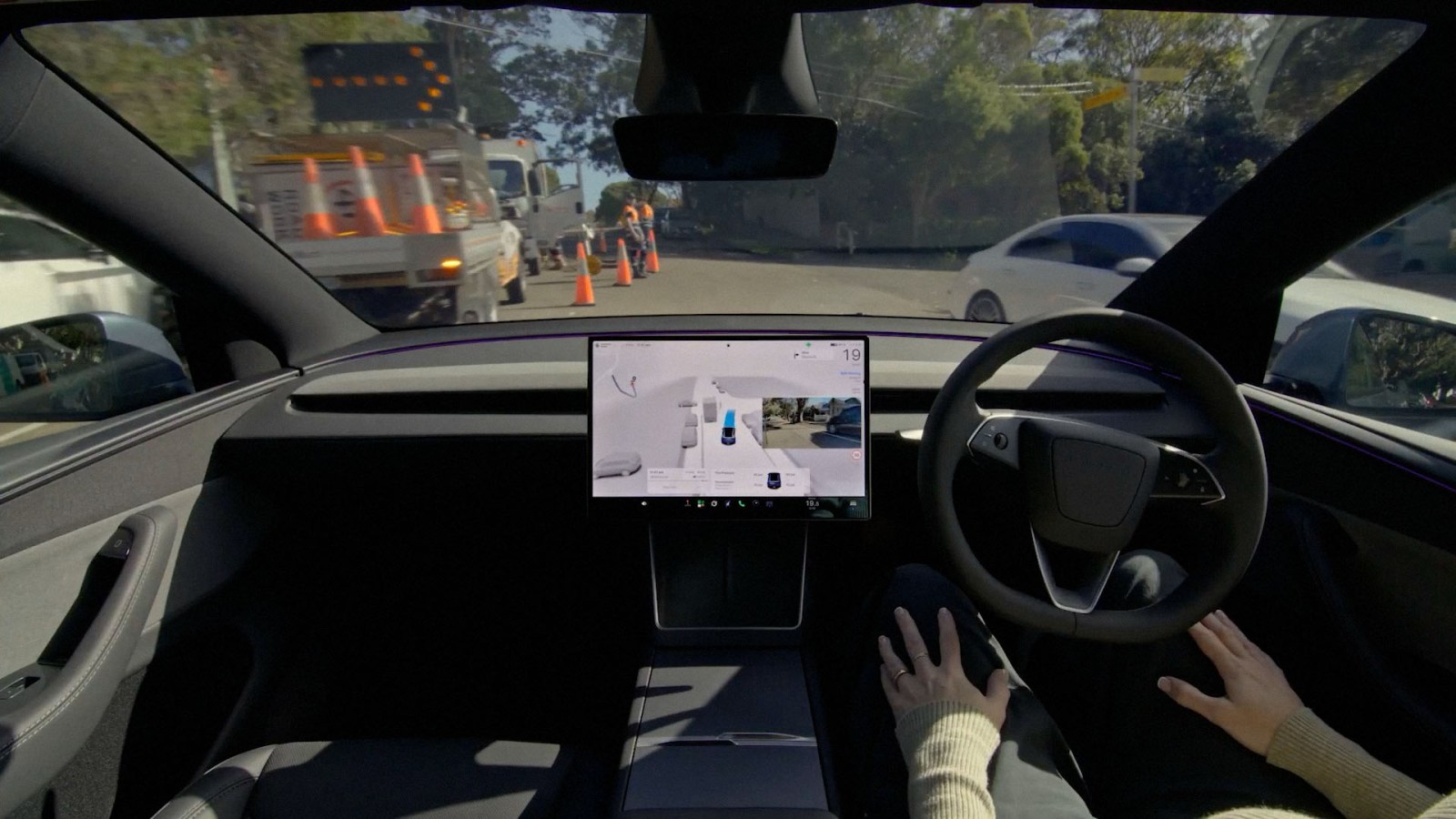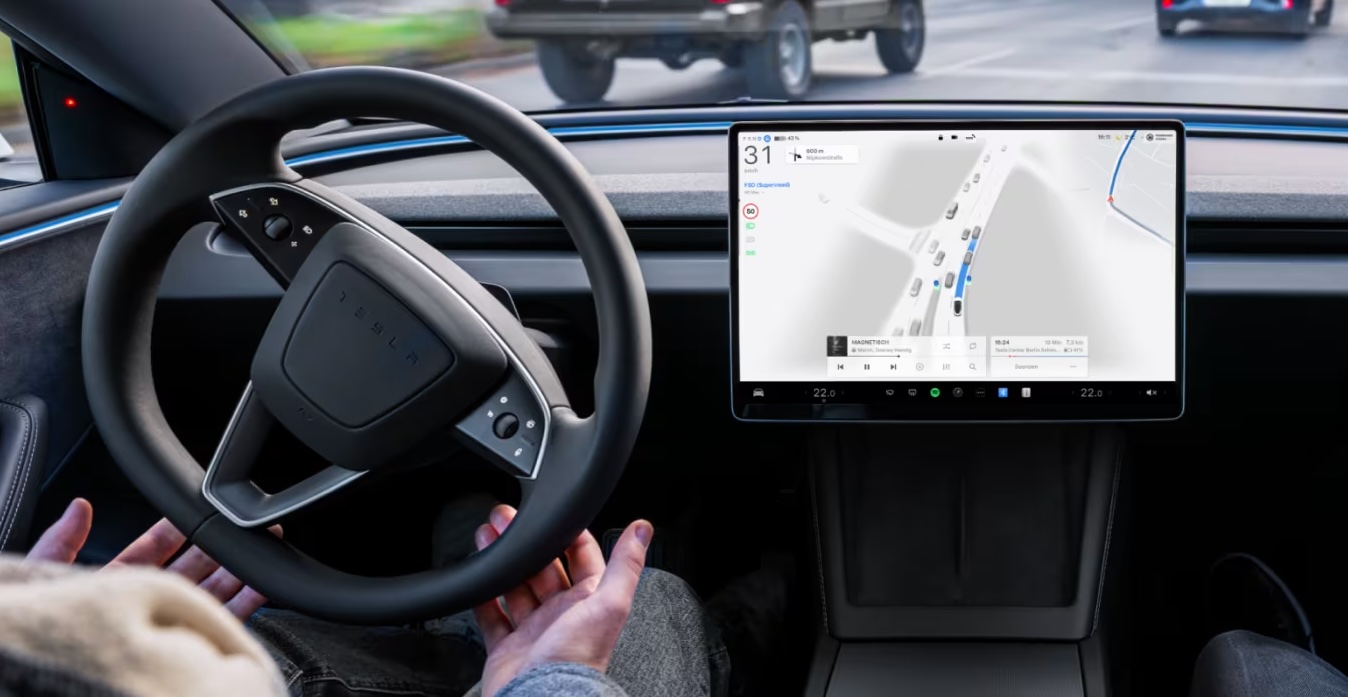
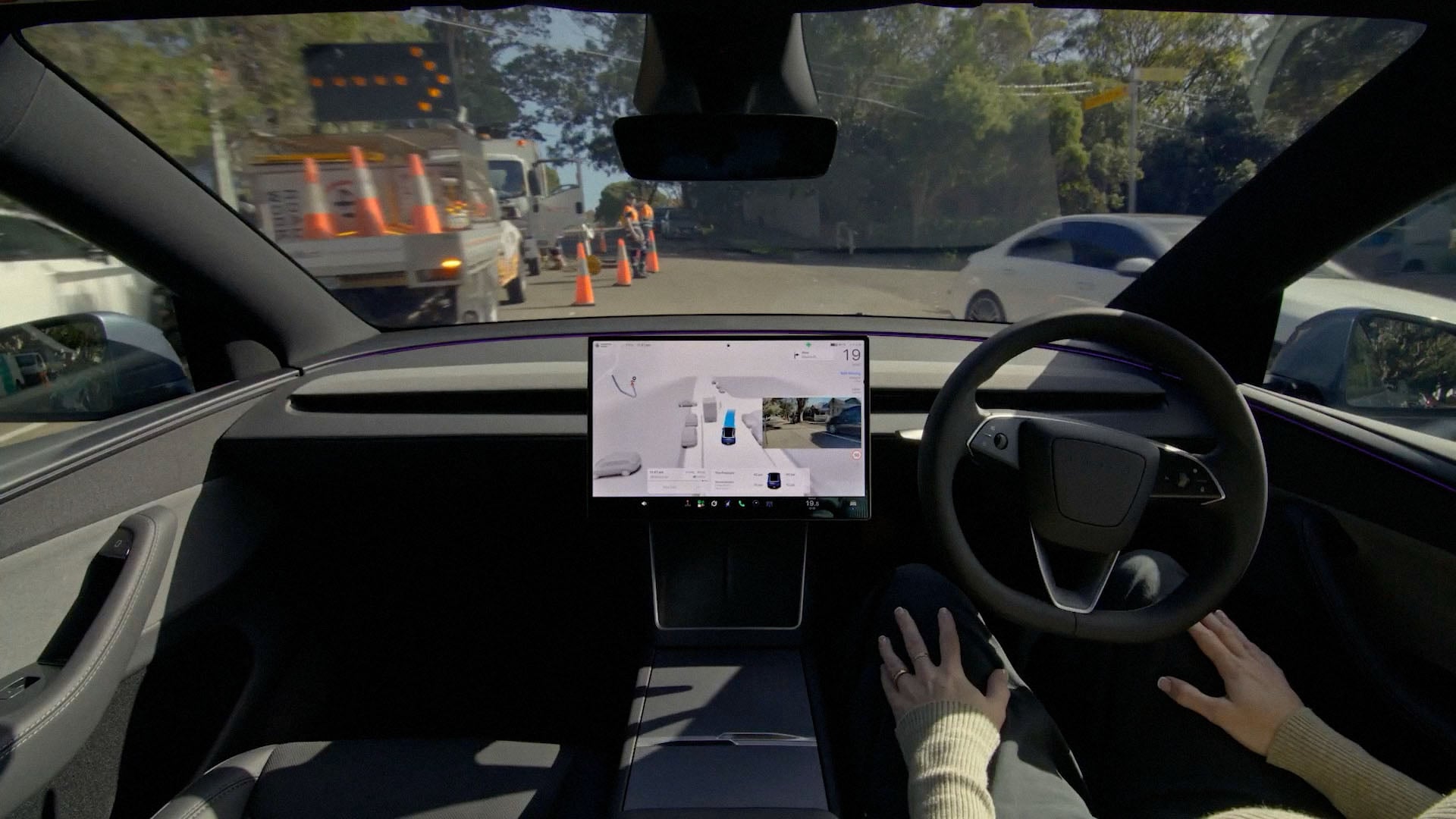
AUSTIN, Texas — Tesla has marked the first anniversary of Full Self-Driving (Supervised) in Australia and New Zealand with a striking safety claim: cars running the software crashed 40% less often per kilometre than Teslas driven by hand.
Owners covered more than 160 million kilometres with the system engaged between September 17, 2025 and September 16, 2026 — roughly 4,000 laps around the Earth. Drawn from Tesla's own vehicle telemetry across every road type in both countries, the data offers one of the clearest real-world readouts yet on how the company's driver-assistance stack performs at scale.
The Headline Numbers
Tesla measured those 160 million supervised kilometres against 2,403 million kilometres driven manually in Teslas with active safety features switched on, over the same period and markets. Vehicles on FSD recorded one collision, major or minor, every 1.78 million kilometres, versus one every 1.07 million kilometres for manual driving.
The behavioural gaps run deeper still. Automatic emergency braking fired once every 17,432 kilometres on FSD against once every 5,989 manually, a 66% reduction. Harsh braking fell 90%, harsh acceleration dropped 86%, and harsh lateral acceleration eased 76%. Drivers on the system even sounded the horn 80% less often. The pattern is consistent with the safety gains Tesla has previewed in its latest FSD builds.
Adoption Moving Fast
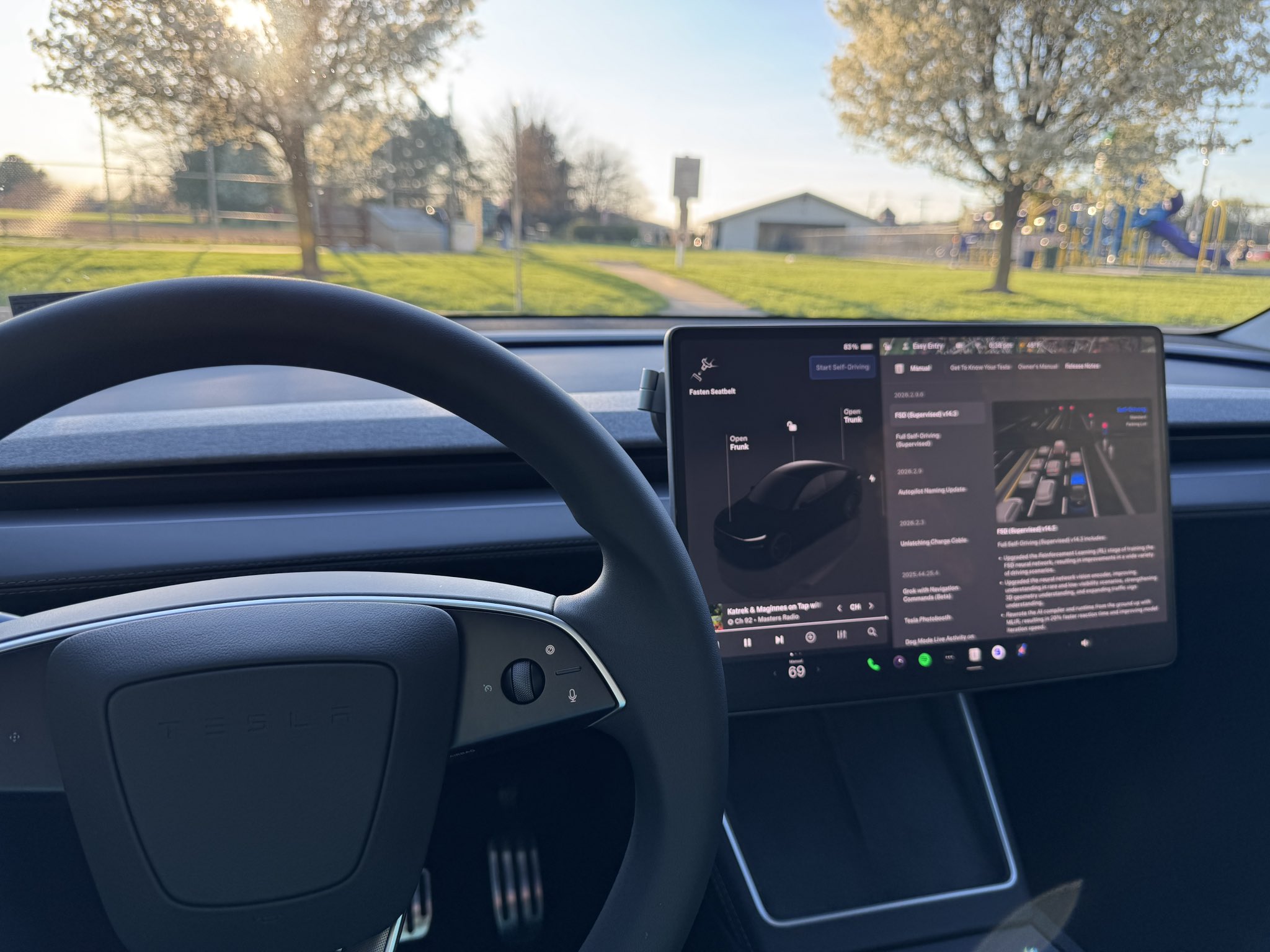
Uptake has been immediate. Owners logged the first million kilometres within two weeks of launch, and average daily use is now more than five times higher than at the start, with Australian cars alone passing 132 million kilometres by mid-September. Version 14 arrived locally as v14.3.3 in June and reached v14.3.9 around September 16, closing the gap to the global fleet to a matter of days.