Tesla Data: FSD Drives More Efficiently Than Humans

Tesla 2025 Impact Report shows Full Self-Driving uses about 5% less energy than a human driver over the same route, with the Cybercab projected to roughly double that efficiency edge.

3 min read
Tesla Data: FSD Drives More Efficiently Than Humans

AUSTIN, Texas — It turns out Tesla Full Self-Driving is not just a safer set of hands on the wheel; it is a lighter foot on the pedal. In its newly released 2025 Impact Report, Tesla says vehicles driving with FSD (Supervised) engaged use measurably less energy than the same trips driven manually.

Smoother Inputs, Fewer Emissions

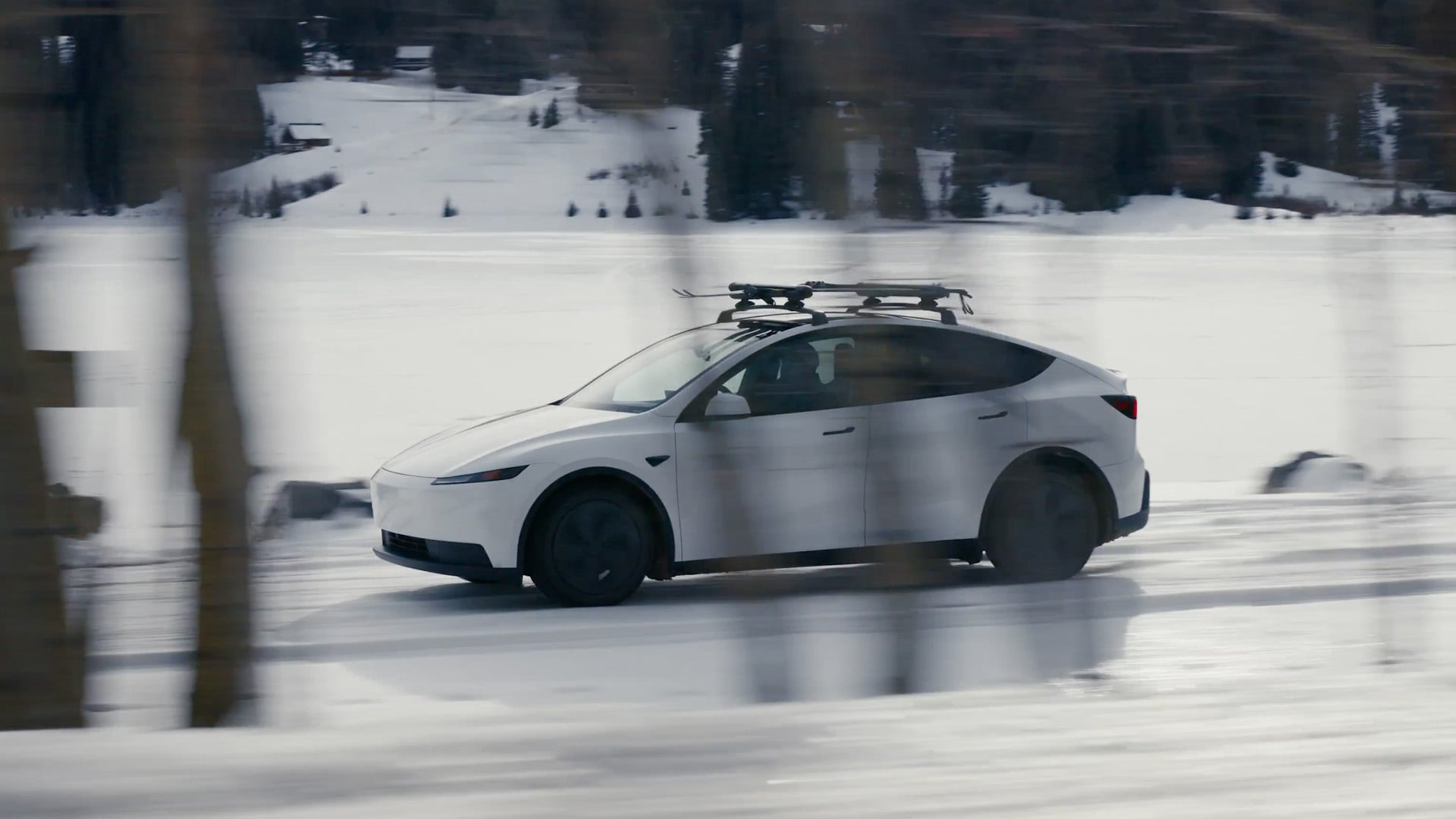
Tesla sampled real-world data from 65 million miles driven in 2025 and found that FSD operates roughly 5% more efficiently than the average human driver. The reason is simple: software applies smoother, more consistent acceleration and braking than a person does, and every watt-hour saved at the wheel translates into fewer greenhouse gas emissions upstream at the power plant.

Interestingly, the efficiency gain peaks in the 25-to-35 mph band, which is squarely where most urban and suburban driving happens. That means the benefit shows up exactly where the majority of miles are logged, and it is about to reach far more cars. Tesla recently began pushing a distilled FSD build to older Hardware 3 vehicles, extending these gains across a fleet that already exceeds 10 million self-driving-capable cars.

The Cybercab Raises the Bar

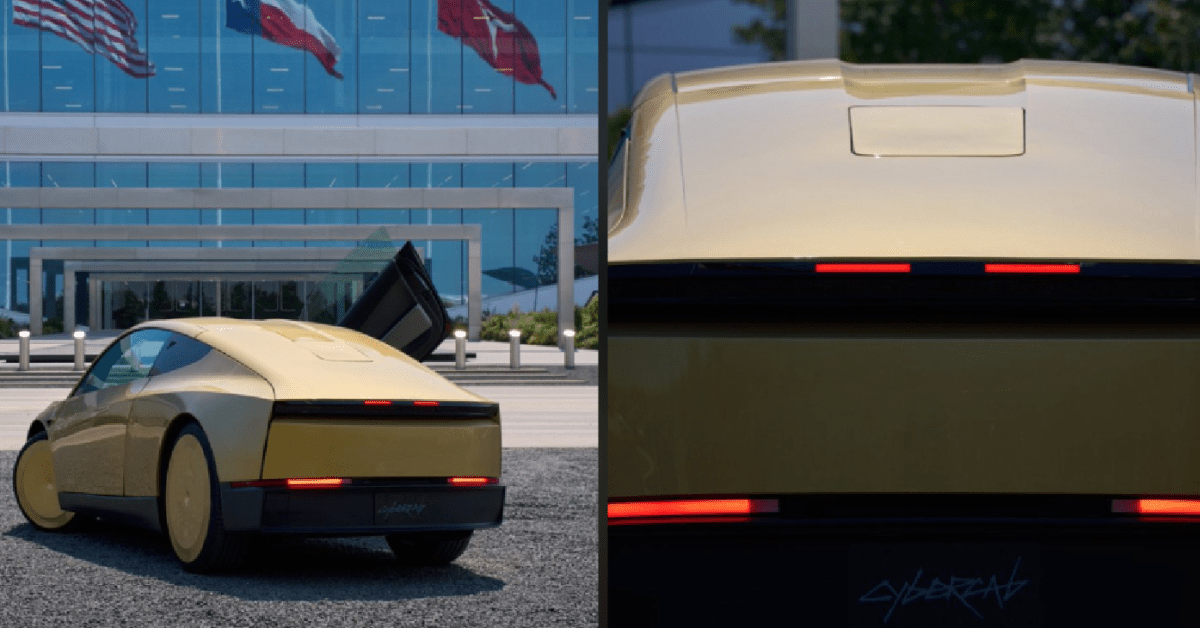
Tesla says its purpose-built Cybercab robotaxi will push efficiency even further. According to the report, full autonomy and maximized ride efficiency should help the Cybercab avoid nearly twice as many emissions per mile as a Model 3 or Model Y, which works out to roughly a 10% efficiency lead over human drivers.

Tesla Data: FSD Drives More Efficiently Than Humans — additional image

That is not surprising given the hardware. The Cybercab is engineered for a remarkable 165 Wh per mile, or about 6.1 miles per kWh, which leadership suggests could make it the most efficient EV ever built. It also reportedly runs a more powerful FSD computer than today consumer cars, giving its efficiency-optimizing models room to grow.

Efficiency as a Selling Point

The finding reframes autonomy as more than a convenience or safety story. Every percent of energy saved lowers running costs for owners and cuts emissions for the grid, turning FSD into a quiet sustainability lever that scales automatically with every software update and every new mile driven.

Tesla laid out the numbers in its official 2025 Impact Report, tying the efficiency gains directly to its broader mission of accelerating sustainable transport.

With Cybercab mass production underway at Giga Texas and road validation in full swing, Tesla is poised to prove that the smartest way to drive is also the cleanest. For a company that measures success in both miles and megawatt-hours, that is a compelling combination heading into the second half of 2026.