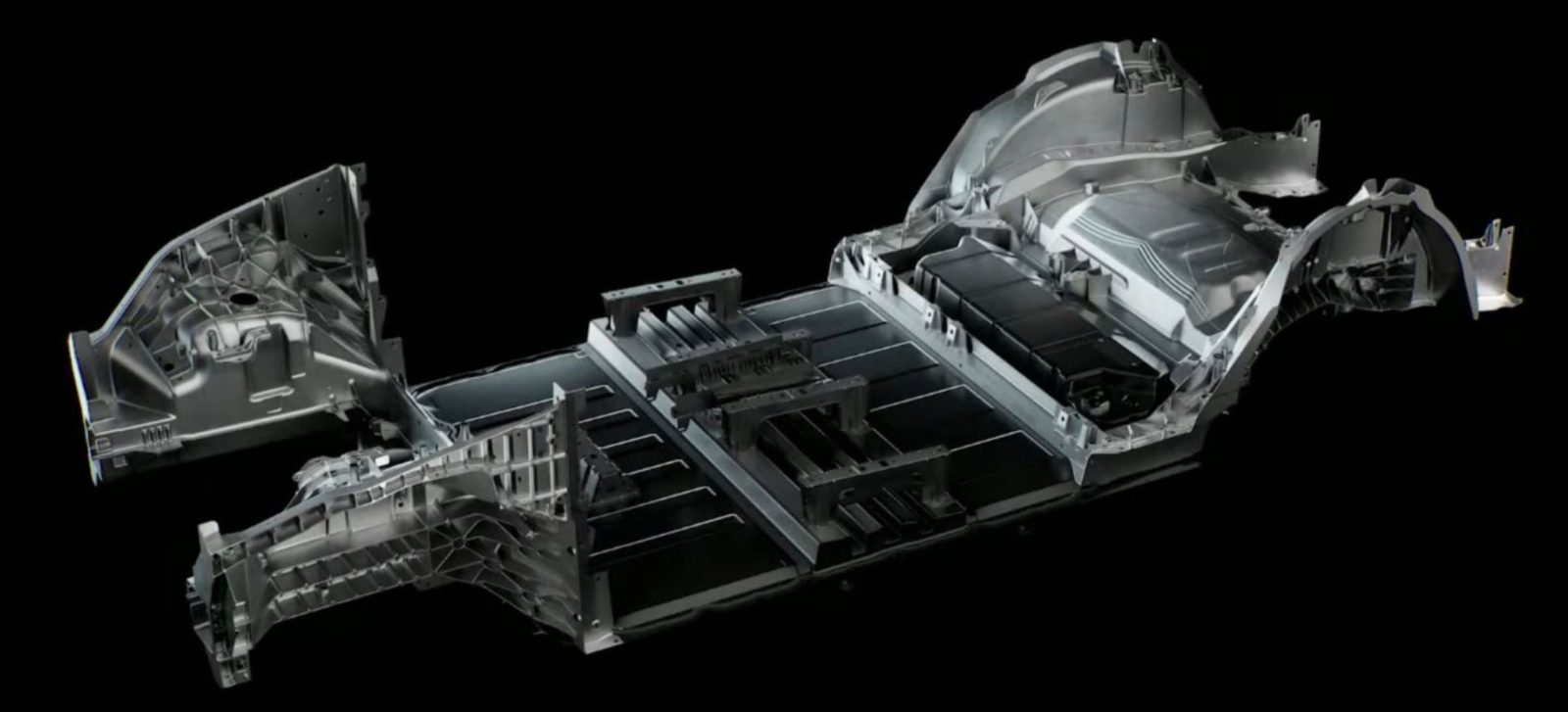
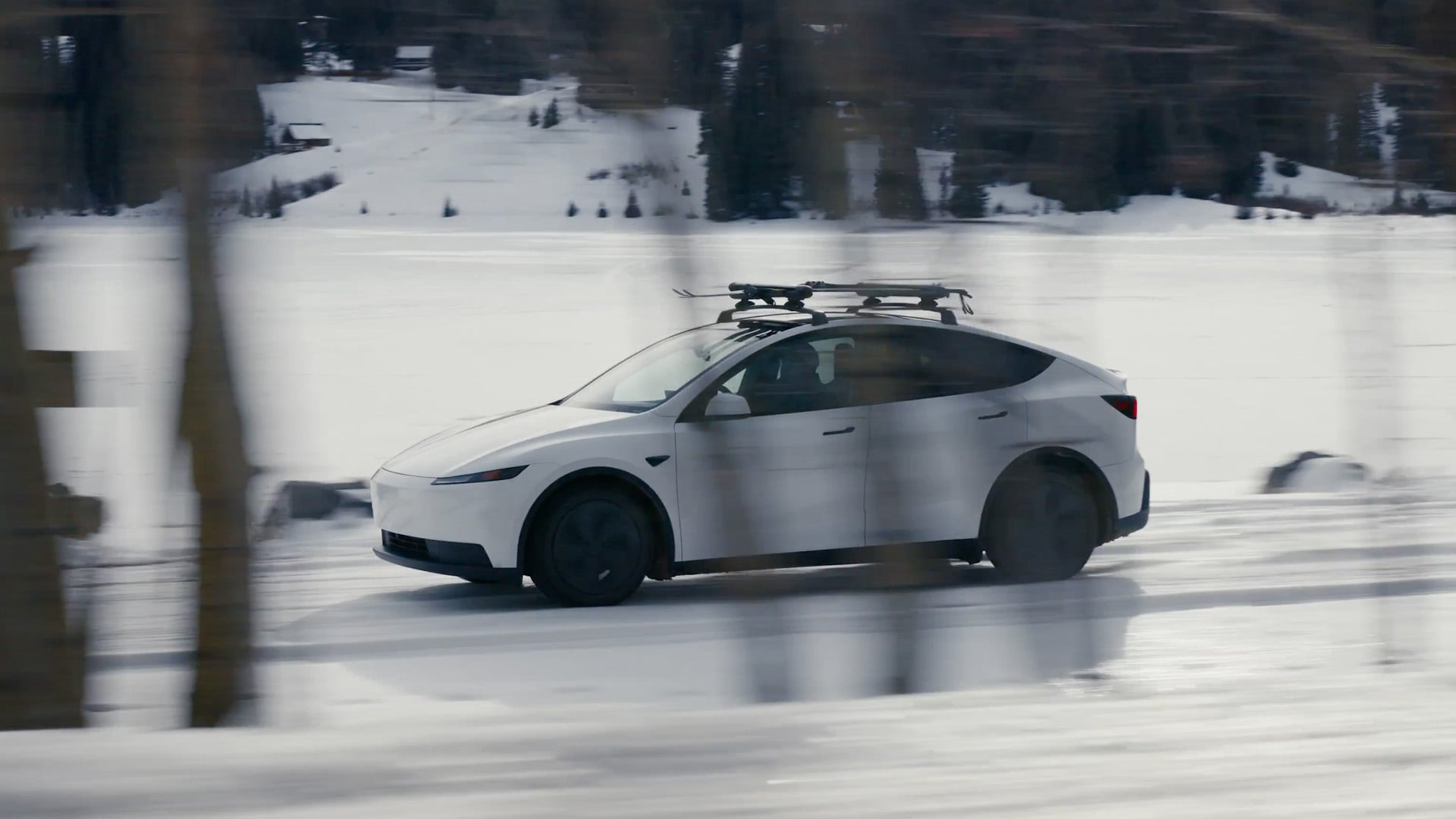
AUSTIN, Texas — The battery that Tesla once treated as its budget option is quietly proving to be its most durable. A new analysis of nearly 10,000 real-world electric vehicle battery tests found that the Tesla Model 3 built with a lithium iron phosphate (LFP) pack retained 93.3% of its battery health past 62,000 miles, outlasting every nickel-based version of the identical car.
The data, published July 15 by Swedish used-EV retailer Carla, drew on 9,954 battery diagnostics conducted across Sweden between 2022 and 2026 using AVILOO test equipment that measures a pack's true state of health rather than the dashboard estimate. When the Model 3 was broken out by battery supplier, the results were striking, and they favored the cheaper chemistry.
The same car, four different results
The CATL-supplied LFP Model 3 averaged 93.3% health among cars past 62,000 miles. The LG Chem nickel version came in at 91.5%, while two Panasonic nickel-cobalt-aluminum packs — long treated as Tesla's premium option — landed at 89.8% and 88.2%. That is roughly a five-point spread between the best and worst versions of the same vehicle.
For buyers who assumed the pricier, higher-density nickel chemistry was also the more durable one, the finding runs the other way. On the metric that most determines a used EV's long-term value, how much capacity it keeps, the affordable pack came out on top. Tesla has leaned harder into LFP over the past two years, and it recently paired that value with new ownership perks like a guaranteed resale-value program on the Model Y and Model 3.
Why LFP ages so gracefully
LFP cells trade energy density for stability. They are cheaper and heavier per kilowatt-hour, but their chemistry is more thermally stable and tolerates charging to a full 100% far better than nickel cells, which Tesla recommends charging to 80-90% for daily use. That daily-charging advantage compounds over tens of thousands of miles.
The Carla numbers track with the largest telematics studies in the field. Fleet-data firm Geotab, drawing on more than 22,700 vehicles, has found average annual degradation has improved to roughly 1.8% per year — low enough to suggest modern EV batteries could outlast the cars around them. Tesla's own figures show Model 3 and Model Y Long Range packs shedding about 15% of capacity after 200,000 miles, with most of the drop happening early before the curve flattens.
A durability edge that pays off
The result reframes Tesla's shift to LFP. The company moved its Standard Range Model 3 and Model Y to the chemistry chiefly to cut cost and free up scarce nickel, but the data suggests owners quietly got a longevity benefit in the bargain — a durability story that also underpins Tesla's booming energy business, where Megapack orders recently topped $9 billion in six weeks.
The broader ranking put the Kia e-Niro and Hyundai Kona on top at above 97%, with the LFP Model 3 eighth among 20 models, all averaging above 91% past 62,000 miles. As independent datasets keep pointing the same direction, the takeaway for used-EV shoppers is clear, and it is one that Electrek highlighted in its report: the cheaper Tesla battery may be the smarter long-term buy, and better tools than ever, including one from Tesla itself, now let owners prove it.