Tesla Ramps Optimus Toward 1,000 Robots a Week

Tesla's converted Fremont line is now building several hundred Optimus units a week, roughly ten times its Q2 pace, with a year-end target above 1,000 and a long-term goal near 20,000.

3 min read
Tesla Ramps Optimus Toward 1,000 Robots a Week

FREMONT, Calif. — Tesla's humanoid robot is moving off the demo stage and onto the assembly line in earnest. The company is now producing several hundred Optimus units a week, roughly a tenfold jump from its second-quarter output, as it races toward a year-end goal of building more than 1,000 robots every week.

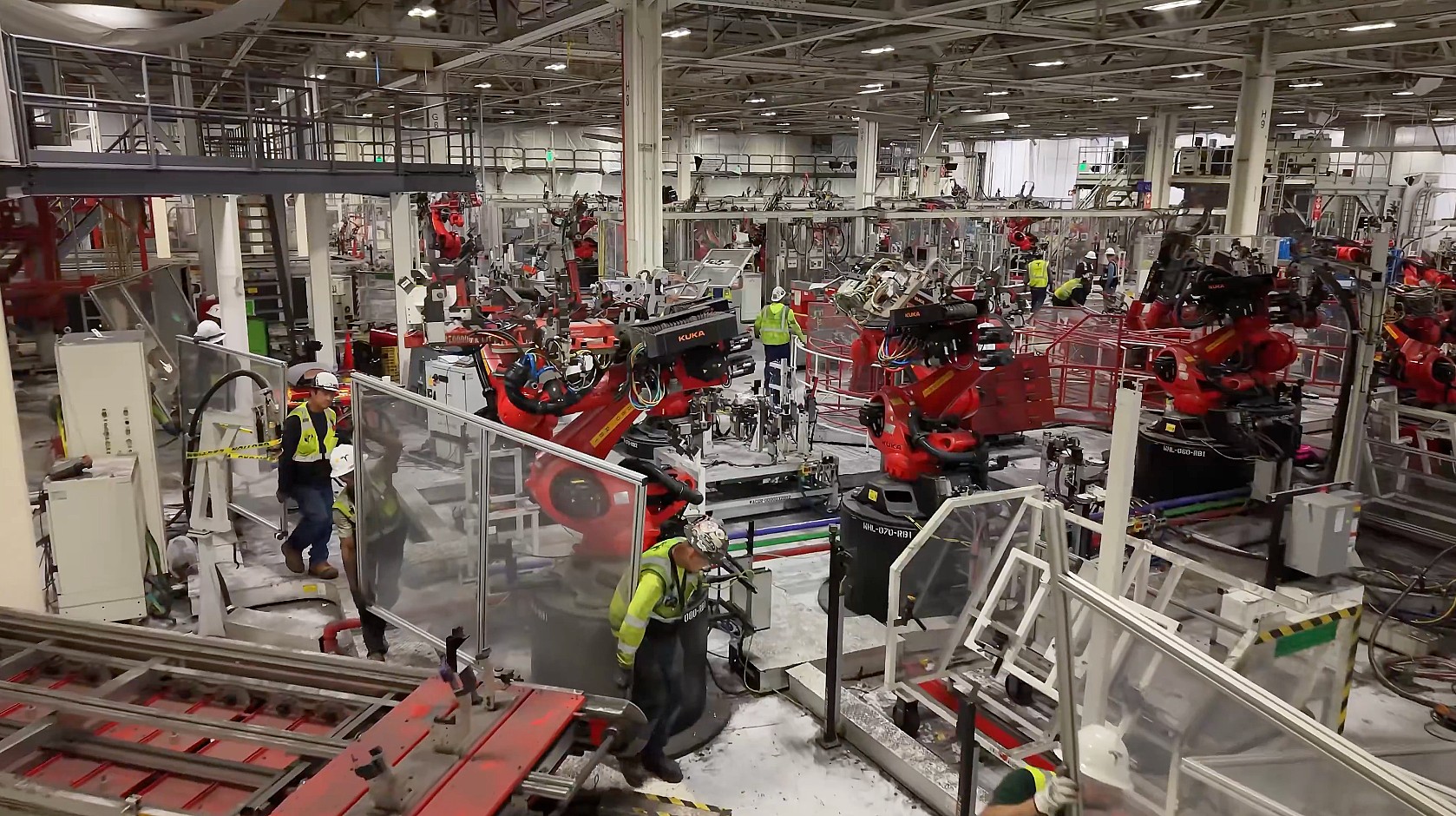
The ramp is unfolding at Tesla's Fremont factory, where the company converted its historic Model S and Model X production line to Optimus manufacturing back in early May 2026, redeploying workers and engineers from both flagship car programs. That decision — giving one of its most storied lines over to robots — signaled just how central Optimus has become to Tesla's long-term vision, a theme that also runs through its recently leaked production-ready Optimus Gen 3 design.

Ten Times The Pace

Scaling a brand-new product is rarely linear, and Optimus is no exception. Going from roughly a tenth of today's rate in the second quarter to several hundred units a week is a steep climb, achieved through increasingly automated, continuous production. Tesla's stated year-end target of 1,000-plus robots weekly would put the program on a genuine manufacturing footing, and the company's long-term ambition is more striking still: around 20,000 units a week as the design matures and the supply chain deepens.

That supply chain has been a focus of its own, with Tesla recently certifying Chinese suppliers to feed the Optimus ramp. Securing components at volume is one of the hardest parts of scaling a machine with as many actuators, sensors, and precision parts as a humanoid robot.
Tesla Ramps Optimus Toward 1,000 Robots a Week — additional image

Learning By Doing

For now, most of the robots coming off the line are being used internally — deployed for testing and data collection rather than sold to customers. Units working inside Tesla's own factories operate in controlled areas with task-specific programming, and the current V3 version is still being refined to meet the durability standards Tesla wants before wider commercial deployment.

That measured approach is a feature, not a bug. Every robot on the floor generates real-world data that feeds back into the design and the AI, tightening the loop between what Optimus can do today and what Tesla needs it to do at scale.

A Foundation For Scale

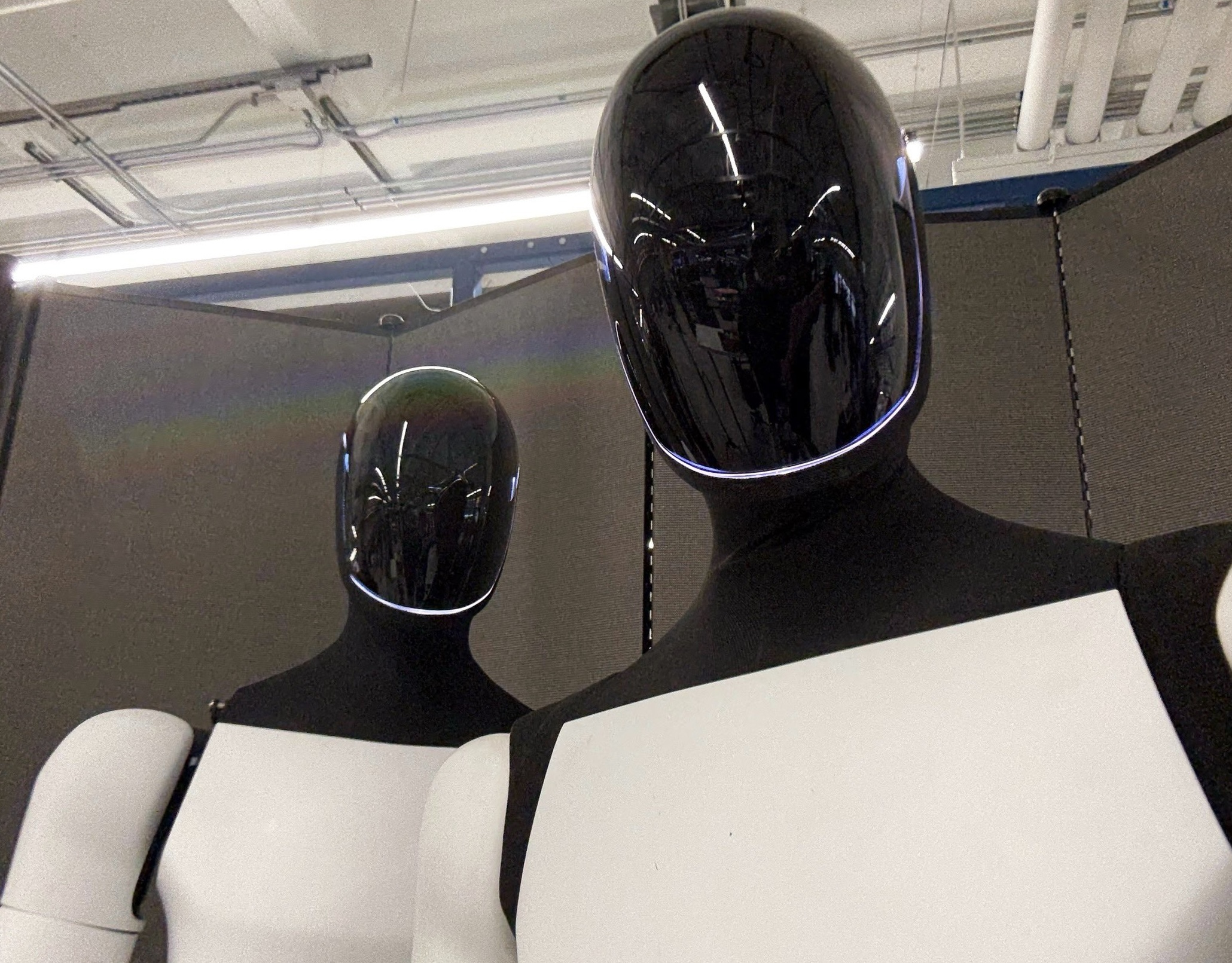
The significance of the ramp is less about the robots shipping this quarter than about the manufacturing muscle Tesla is building. Producing hundreds of complex humanoids a week — and laying the groundwork for thousands — is something no company has done before, and it puts Tesla well ahead in a field it helped popularize.

If the year-end target holds, Tesla will exit 2026 with a humanoid production line unlike any in the world, and a running start on a market it believes could eventually dwarf its car business. As Electrek reports, the hard engineering work of generalization remains ahead — but the factory to build Optimus at scale is already taking shape.

Stay Up to Date on All Things Elon

Get the most interesting Elon Musk stories straight to your inbox, once a day. Short, interesting and relevant!