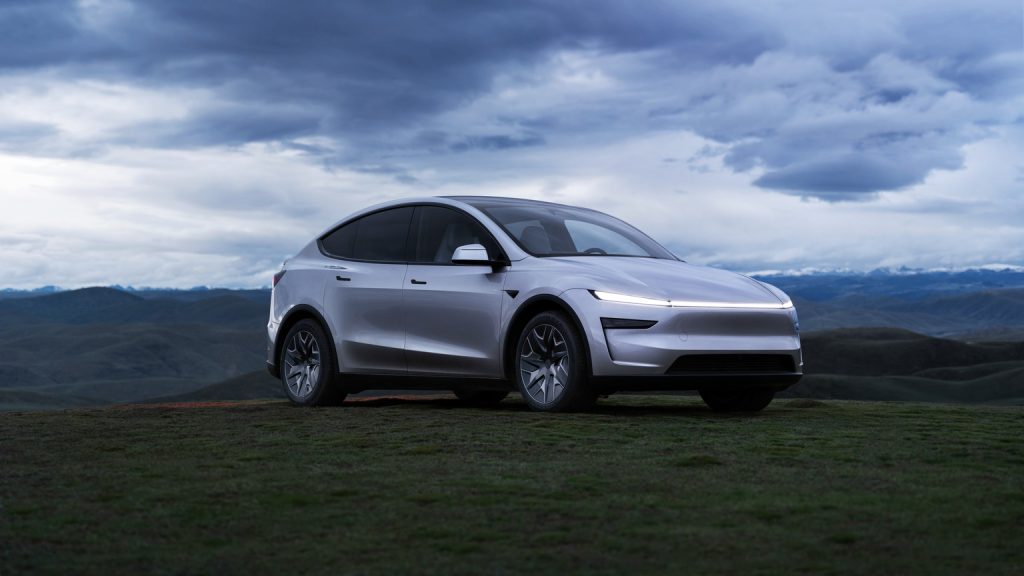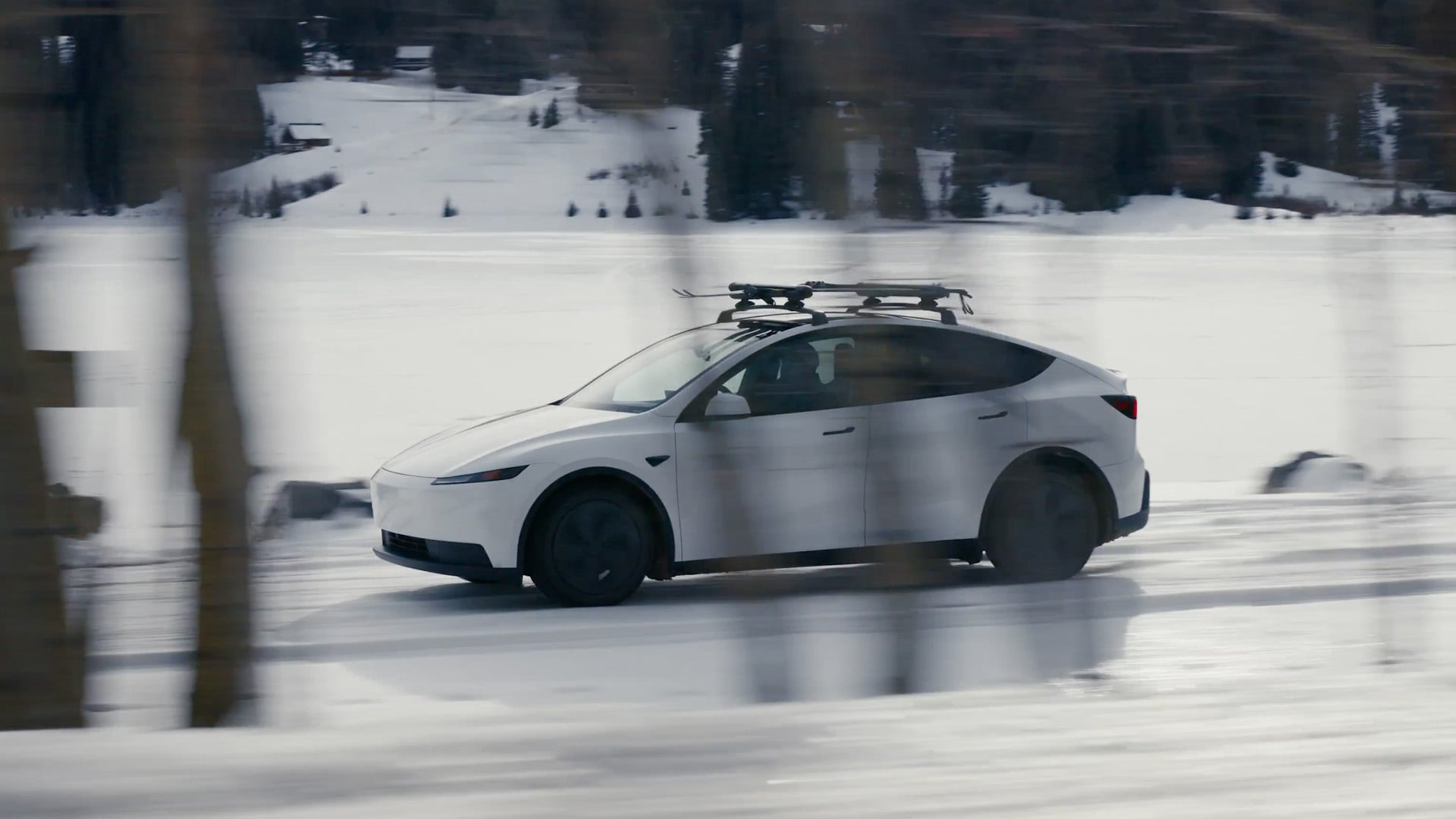

AUSTIN, Texas — Tesla's second-quarter delivery report did more than beat expectations — it upended a bearish narrative that had hardened over the past two years. The company delivered 480,126 vehicles, a 25% jump from a year earlier that crushed Wall Street estimates clustered near 406,000 and ended two straight years of annual declines.
Production reached 451,758 units, with the Model 3 and Model Y accounting for the vast majority, and the result drew down inventory in a way that signaled real demand rather than channel stuffing. So what actually powered the surprise? Analysts and Tesla watchers point to four reinforcing forces, laid out in detail by Teslarati.
A Broad European Recovery
Europe was the standout. Supported by government incentives, corporate fleet electrification and easing political headwinds, Tesla posted sharply stronger registration numbers across the continent. Robust exports from the Shanghai Gigafactory and a production ramp at Giga Berlin ensured supply met the resurgent demand, and corporate buyers in particular accelerated their transitions to hit sustainability targets. That regional strength more than offset softer U.S. figures and provided a steady volume base for the quarter.
Full Self-Driving Pulls Its Weight
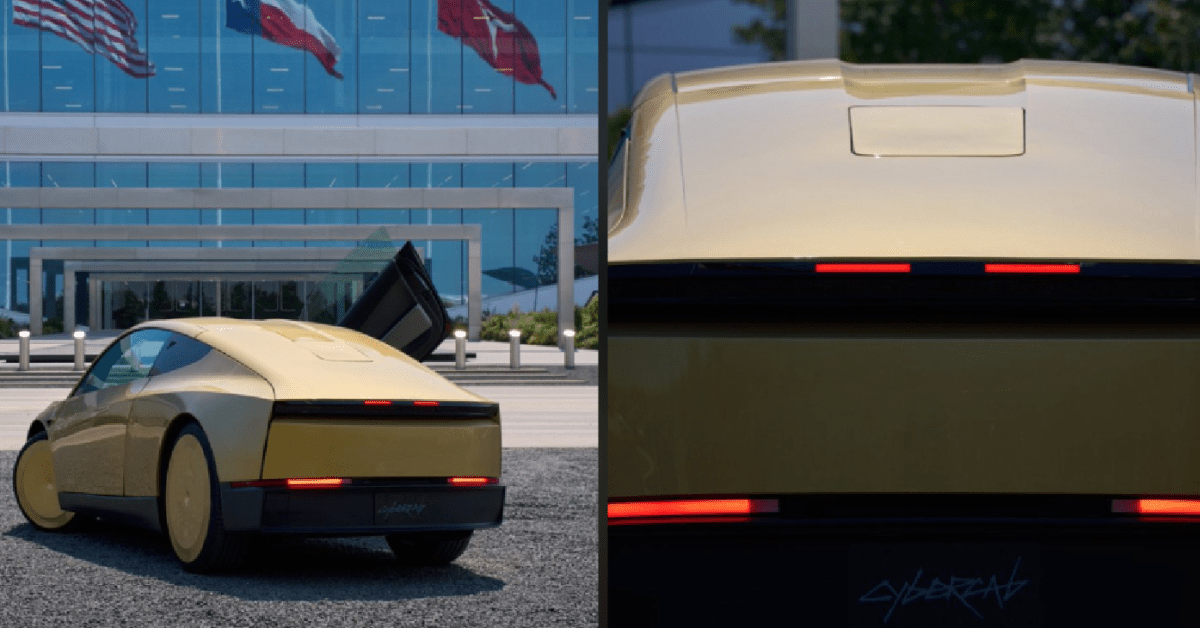
Advances in Full Self-Driving supervised software added a second tailwind. Tesla expanded FSD availability across select European markets and kept refining the system, giving tech-oriented buyers a reason to choose a Tesla beyond range and price. That differentiation continues to set the company apart in a crowded field, and it dovetails with Tesla's aggressive autonomy roadmap, including engineering tests of its first production Cybercab.