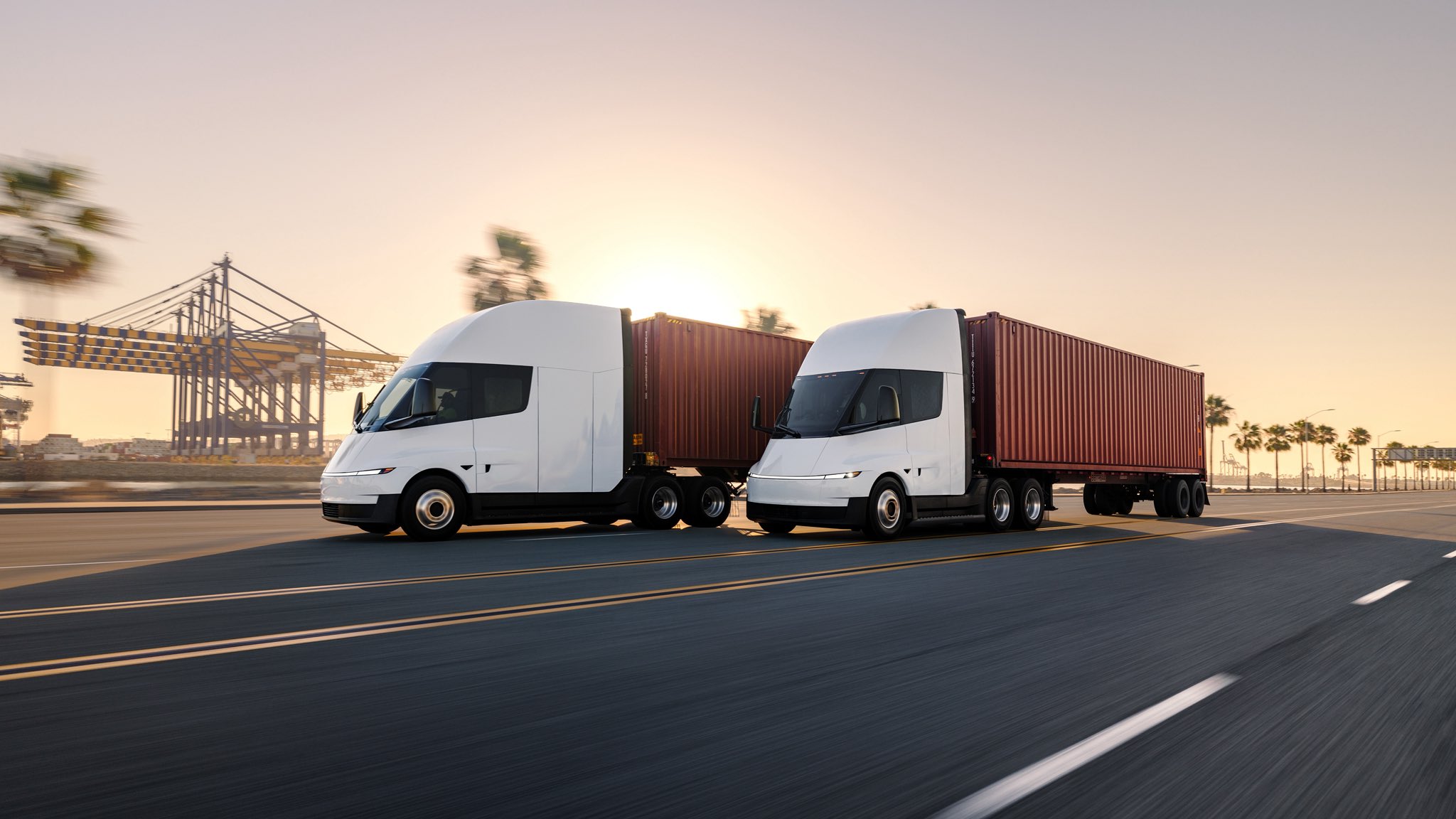
AUSTIN, Texas — As the production Tesla Semi rolls out of its new Nevada factory, Tesla has pulled back the curtain on the engineering that makes the Class 8 electric truck tick — and two upgrades in particular show how far the design has advanced from its prototype days.
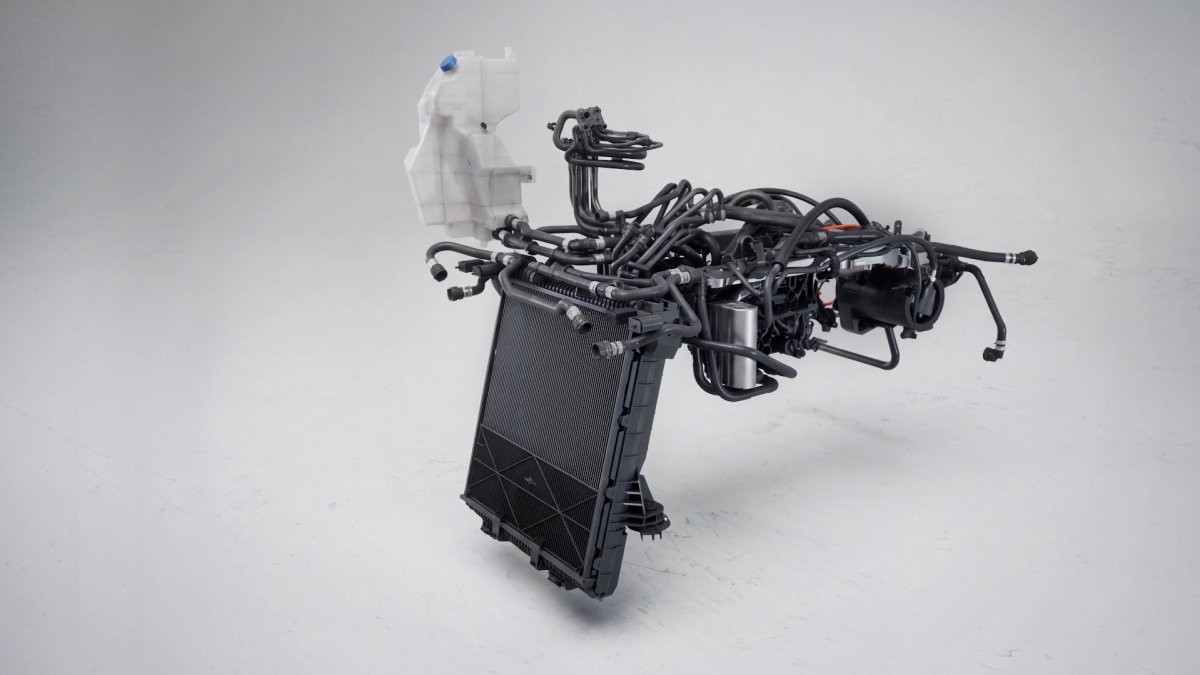
The headliner is a next-generation thermal system Tesla calls the "Megamanifold," a single unit that manages cabin climate control and all powertrain heating and cooling at once. Where a diesel truck simply wastes the heat its engine throws off, the Semi captures excess thermal energy from its drive units to warm the cab and keep the battery in its ideal operating window — a meaningful edge in cold-weather hauling. The reveal lands right on the heels of the truck entering volume production in Nevada.
The First Heavy Truck With Electric Steering
Tesla also confirmed the production Semi ditches traditional hydraulic steering for a 48-volt electric system adapted from the Cybertruck, making it, in the company's telling, the first heavy-duty truck to go fully electric on steering. Removing pumps, hoses and fluid reservoirs cuts weight, noise and maintenance — and, crucially, builds in the redundancy that future autonomous driving will demand.
The drivetrain got a rethink too. The motors now use steel-caged rotors in place of carbon fiber for durability and lower cost, paired with bar-wound stators shared with the Cybertruck — a parts-commonality play that leans on an existing supply chain to hold down production expense.
Numbers That Work for Fleets
The engineering translates directly into operating economics. Tesla pegs the Semi's efficiency at roughly 1,700 watt-hours per mile, which works out to about $0.20–$0.25 per mile in electricity — versus $0.50–$0.80 per mile for comparable diesel trucks. For fleet operators running hundreds of thousands of miles a year, that spread is the whole argument.