Tesla Hires Intel Veteran to Lead Its 'Terafab' Chip Plant

Tesla has poached a 17-year Intel veteran to direct its Austin 'Terafab' semiconductor plant, a key step in Musk's drive to control the AI silicon behind Tesla and SpaceX.

3 min read
Tesla Hires Intel Veteran to Lead Its 'Terafab' Chip Plant

AUSTIN, Texas — Tesla is stacking its semiconductor bench. The company has recruited a 17-year Intel veteran to lead its "Terafab" chip plant in Austin, a hire that underscores how serious Elon Musk is about building the silicon that powers his AI ambitions in-house.

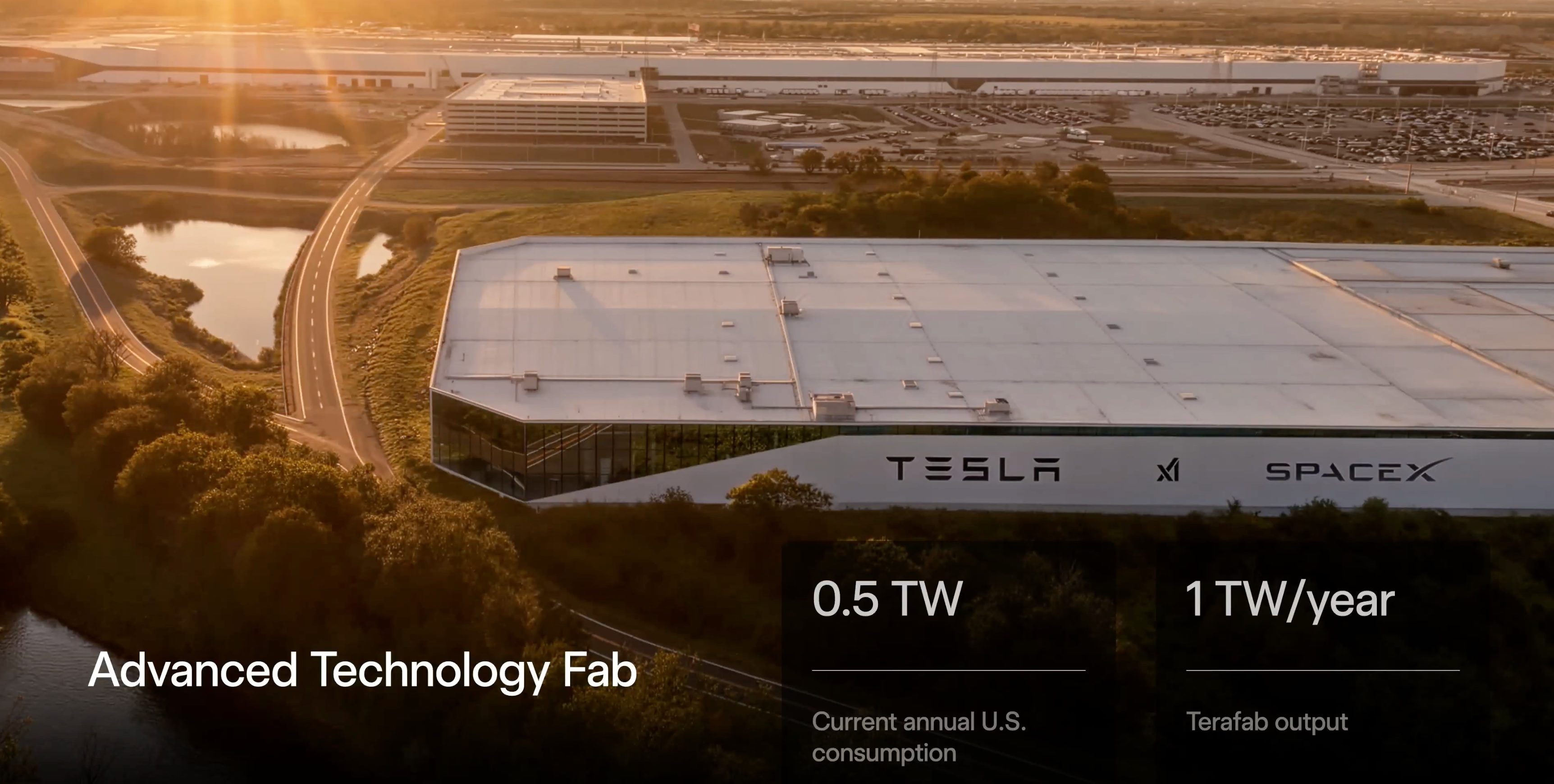
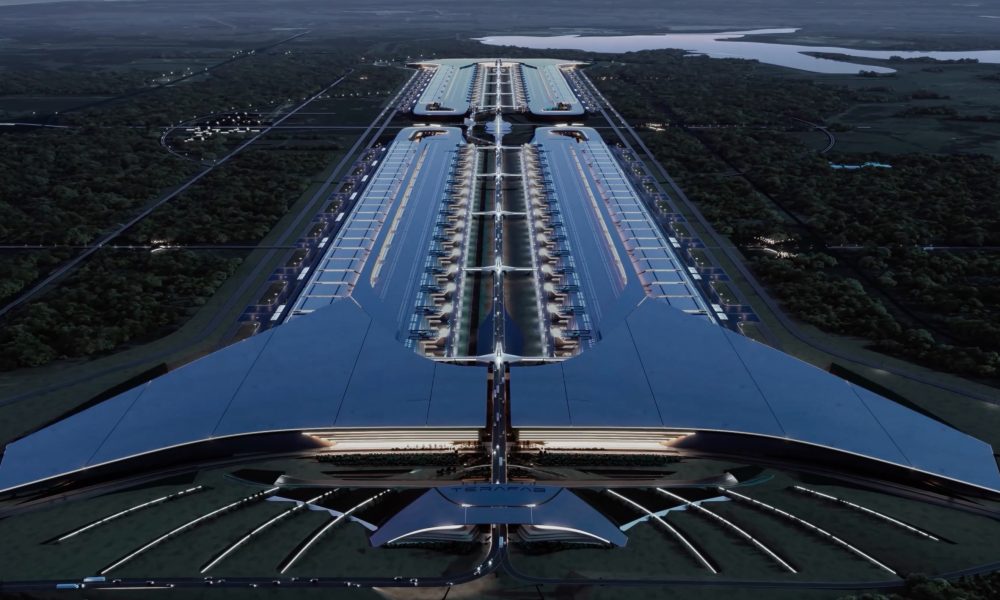
The appointment, reported this week, brings deep manufacturing experience to a project that sits at the heart of Tesla's autonomy roadmap. Terafab is the shared fabrication effort tied to Musk's broader empire, where Tesla and SpaceX have been pooling chip-making resources to reduce their dependence on outside foundries. Landing a leader with nearly two decades at one of the industry's largest chipmakers signals Tesla intends to run the operation at a professional, high-volume standard from day one.

Why Tesla Wants Its Own Fab

Tesla's cars, humanoid robots, and data centers all increasingly run on custom silicon. The company designs its own AI inference chips for Full Self-Driving, and its appetite for compute has only grown as it scales the training clusters behind FSD and Optimus. Controlling fabrication would let Tesla iterate faster, protect its designs, and insulate itself from the supply crunches that have repeatedly rattled the auto and AI industries.

That vertical-integration instinct is classic Tesla. The same philosophy drove the company to bring 4680 battery cells, motors, and software in-house, and it is now extending that logic to the most strategically sensitive component of all: the chips that make its autonomous vehicles think. Owning the fab also strengthens Tesla's negotiating position with external suppliers.
Tesla Hires Intel Veteran to Lead Its 'Terafab' Chip Plant — additional image

A Tesla and SpaceX Crossover

Terafab is notable because it links two of Musk's companies at the silicon level. Tesla and SpaceX have been described as sharing semiconductor fabrication in Austin, part of a web of cross-company cooperation that has fueled talk of a deeper Tesla–SpaceX combination. A jointly leveraged fab spreads the enormous cost of chip manufacturing across two capital-intensive businesses while keeping cutting-edge designs inside the family.

For SpaceX, which now houses the xAI unit and its Grok models, access to a captive fab could prove just as valuable as it is for Tesla's vehicles. The more compute both companies need, the more a shared, in-house source of chips looks like a durable advantage rather than a luxury.

Building the Team

Hiring an Intel veteran to direct the plant is a statement of intent. Standing up a modern fab is among the hardest challenges in technology, demanding specialized talent, precision, and patience. By recruiting seasoned leadership rather than learning on the fly, Tesla is signaling that Terafab is a long-term pillar of its strategy, not a side experiment.

The move, detailed by Electrek, lands amid a busy stretch for Tesla that includes a surging stock and a major Gigafactory Texas announcement due July 7. Together, they paint a picture of a company investing aggressively in the foundations of its AI future — starting with the chips themselves.