HAWTHORNE, Calif. — Elon Musk this week restated the fact that still defines SpaceX's origin story: if the fourth flight of the small Falcon 1 rocket had failed, the company simply would not exist.
The reminder came in response to a post noting that after three consecutive losses, SpaceX had money for exactly one more attempt. Musk's reply was blunt — if the fourth launch had failed, SpaceX would not exist. It is a striking thing to say from a company that now flies more orbital missions than the rest of the world combined and runs a global satellite network, but in late 2008 the outcome was genuinely in doubt.
Three Failures and a Nearly Empty Bank Account
The early Falcon 1 campaign was a hard education. The first flight, in March 2006, lasted 33 seconds before a corroded fuel-line fitting leaked, ignited, and doomed the vehicle. Flight 2, in March 2007, performed far better and reached space, only for propellant slosh in the upper stage to start a coning motion that shut the engine down before orbit.
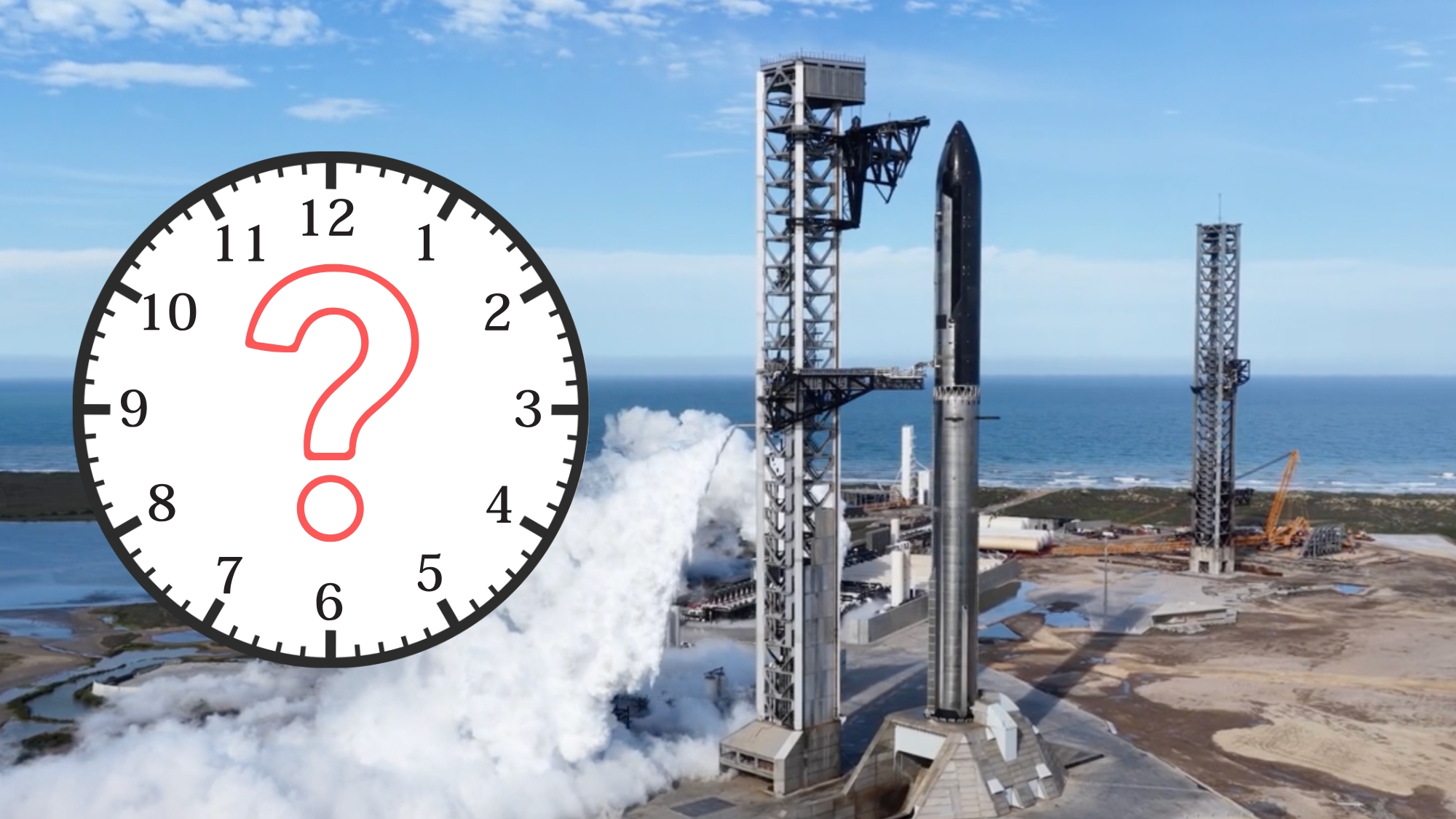
Flight 3, in August 2008, came agonizingly close. The first stage flew almost perfectly, but leftover thrust in the cooling channels after cutoff nudged the spent stage back into the upper stage after separation. The two collided, and the mission was lost. By then the firm was nearly out of cash, and another failure would have ended payroll and closed the Hawthorne factory. That relentless test-fix-fly loop is the same discipline SpaceX now applies to Starship as it pushes toward orbit.
Middle of the Bull's-Eye
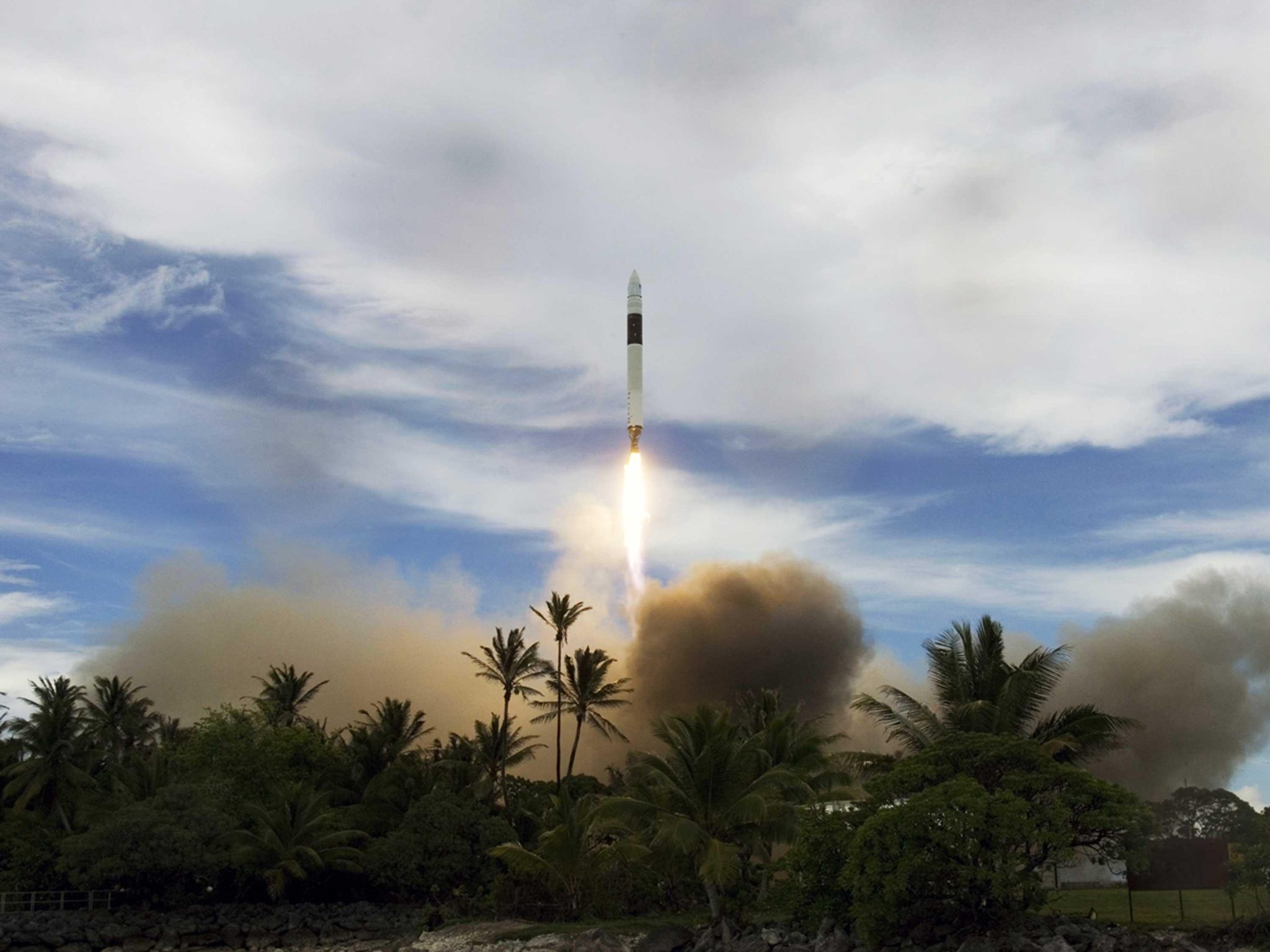
Six weeks later, the team assembled Flight 4 from remaining parts and flew it on September 28, 2008. Engineers delayed staging so the residual thrust that doomed Flight 3 could decay. The upper-stage Kestrel engine ignited, the fairing split away, and about nine and a half minutes after liftoff the vehicle reached orbit. After a coast, the stage restarted and settled into its planned path. Falcon 1 had become the first privately developed liquid-fueled rocket to reach Earth orbit, and Musk called the insertion middle of the bull's-eye.
As Teslarati recounted, one extra second of delay before staging on Flight 3 would likely have saved that mission too — a reminder of how fine the margins were.
The Decade That Followed
The payoff was almost immediate. That success helped unlock NASA's Commercial Resupply Services award later in 2008, the contract that funded Falcon 9 and Dragon. Without it there would have been no reusable first stages, no cargo and crew flights to the International Space Station, and no Starlink constellation delivering broadband from low Earth orbit to millions of users today.
Launch prices would have stayed high, ride-share missions would have stalled, and the current pace of lunar and Mars hardware would be years behind. The story lands as a lesson in persistence: a company one failure from the end chose to build a fourth rocket from spare parts and fly it anyway. That willingness to push through when the odds looked worst is the same instinct now driving Starship, Starship's orbital debut, and the push toward Mars — and it all traces back to nine and a half minutes in September 2008.