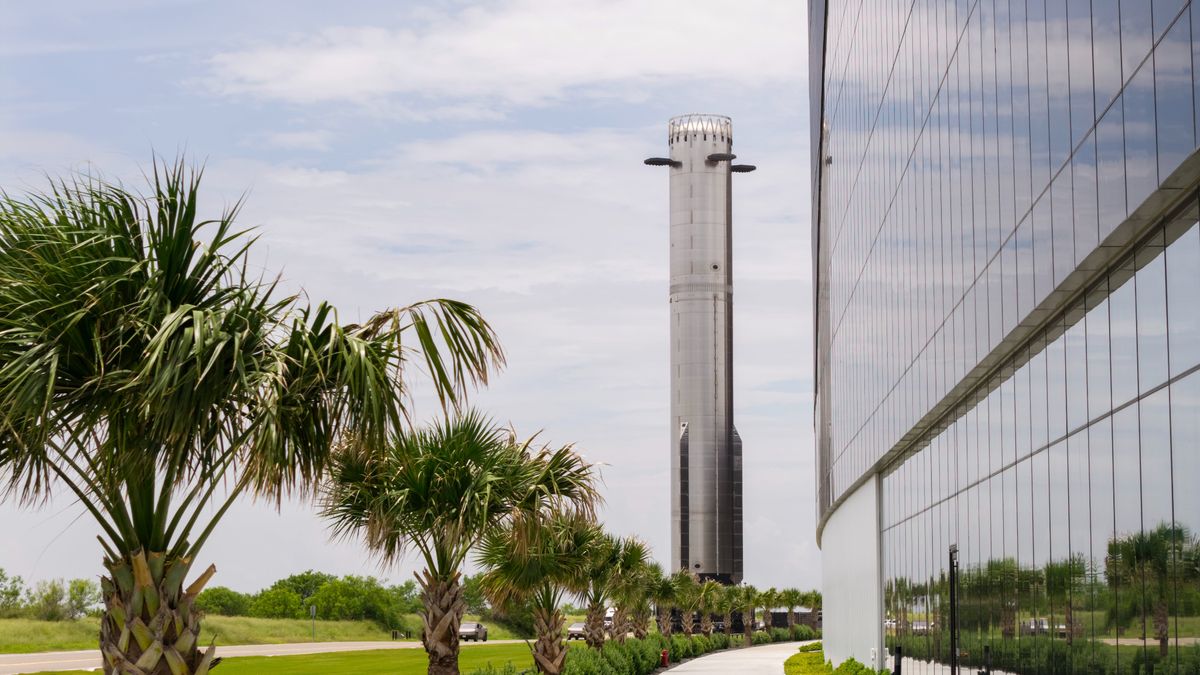
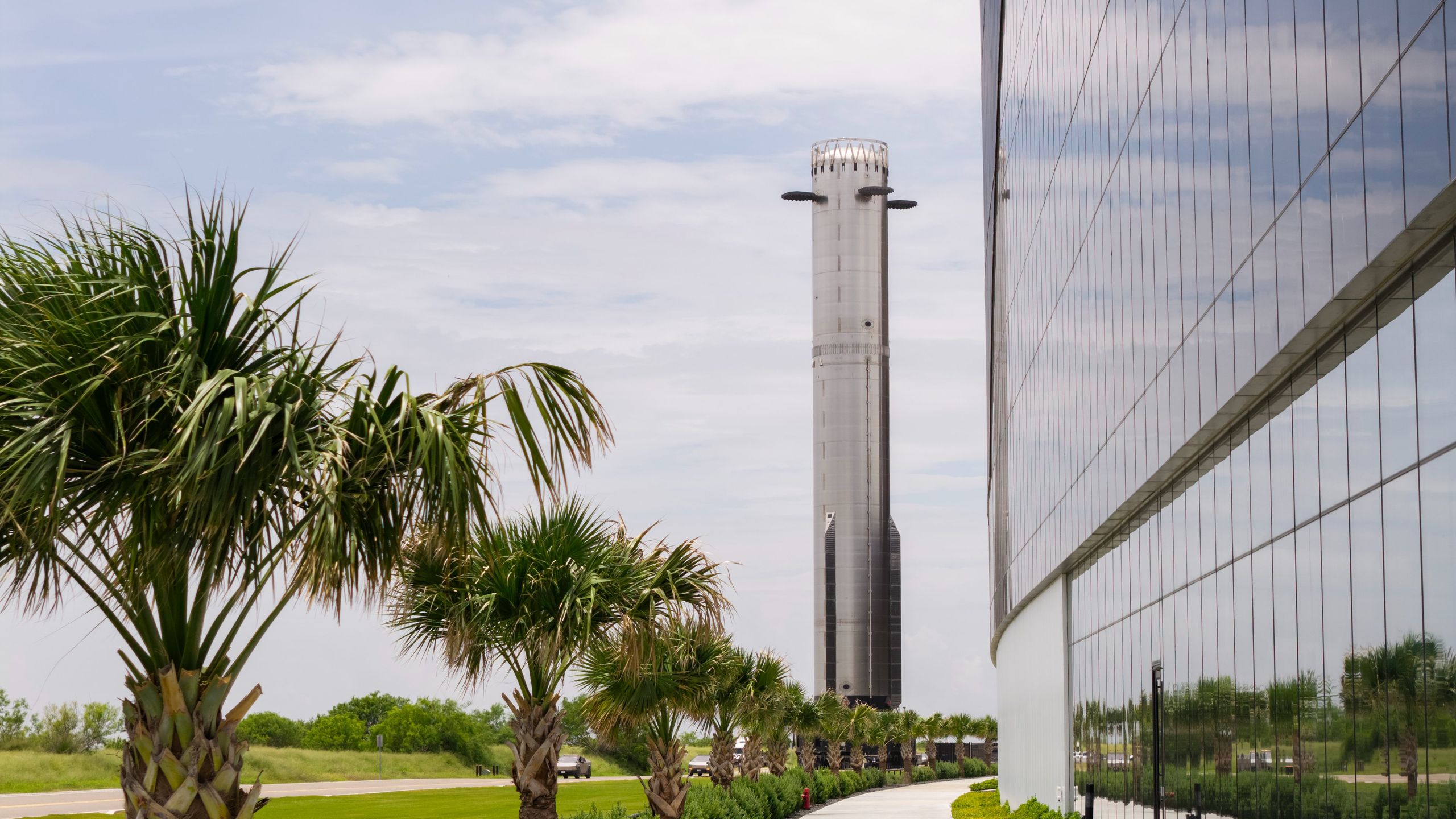
BOCA CHICA, Texas — SpaceX lit up the South Texas coast on Friday, firing all 33 Raptor 3 engines on its next Super Heavy booster in a static fire test that ran for roughly 25 seconds and moved Starship Flight 13 to the launch pad's doorstep.
The test, conducted July 10 at the company's Starbase facility, put Booster 20 through a full-duration hold-down burn that simulated the thrust and conditions of an actual liftoff. It was one of the longest Super Heavy static fires SpaceX has run to date, and the booster came through it cleanly.
A Clean Run for Booster 20
Booster 20 is the second "Version 3" Super Heavy to reach the pad, and it rolled out to the launch mount on July 9 before being hoisted into place by the launch tower's "Mechazilla" arms. By late Friday morning, teams had loaded propellant and triggered ignition, sending a wall of flame across the flame trench as all 33 upgraded Raptor 3 engines roared to life at once.
Going straight to a full 33-engine burn on only the second Block 3 booster reflects the confidence SpaceX now has in both the hardware and the launch pad. The V3 Super Heavy pairs enhanced avionics with a taller propellant tank and hardware for in-space propellant transfer, part of the architecture that will eventually support lunar and Mars missions. SpaceX detailed the milestone alongside its recent FCC filing to expand the Starlink constellation, underscoring how quickly the program is scaling.
Building on a Record Cadence
The static fire caps a remarkable stretch for SpaceX, which has been launching Falcon 9 rockets at a record clip while pushing Starship toward operational status. Just a day earlier, the company flew one of its most-experienced Falcon 9 boosters for a record-setting 36th time, a reminder of the reusability advantage SpaceX is now working to extend from Falcon 9 to the far larger Starship system.