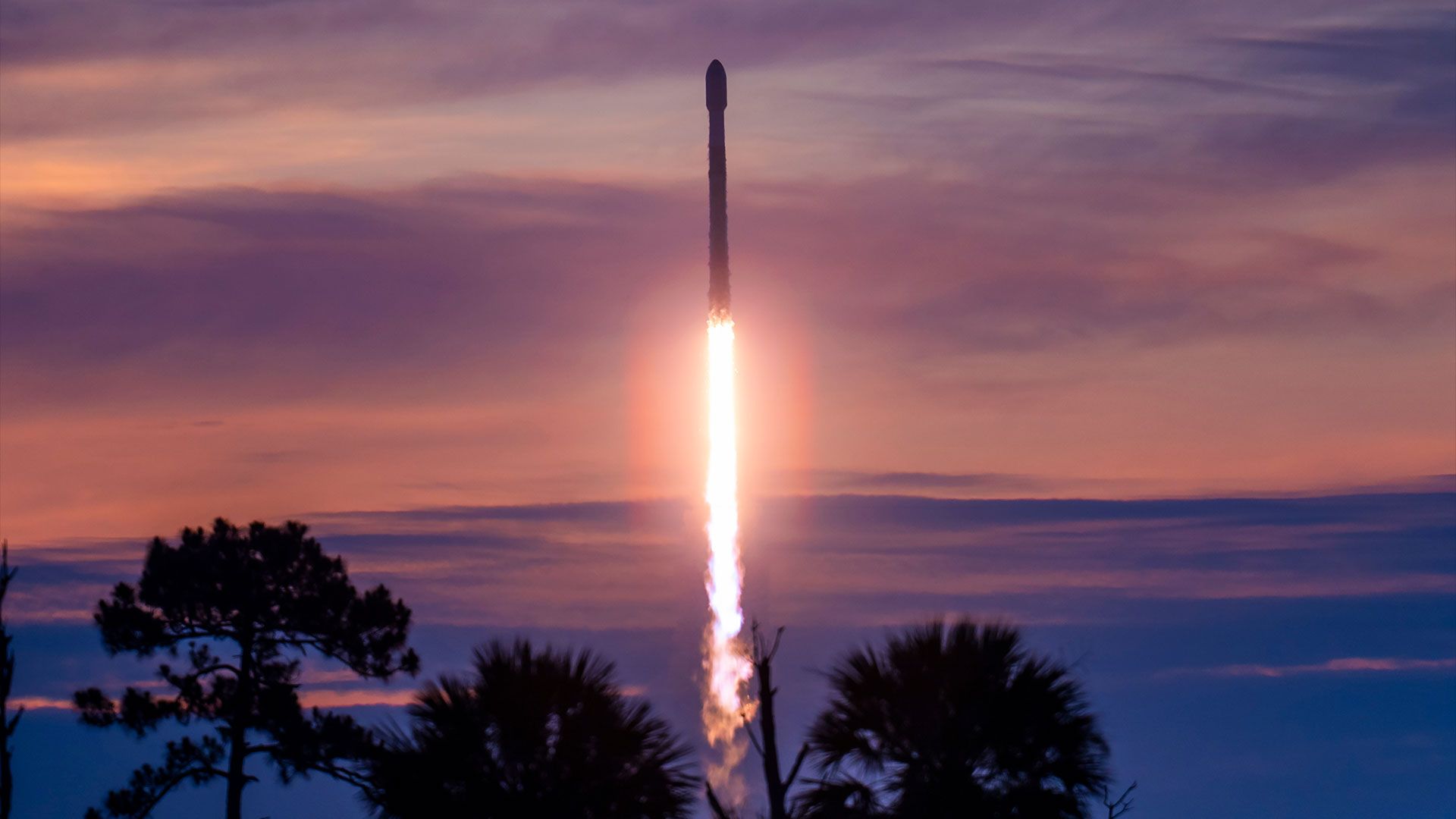
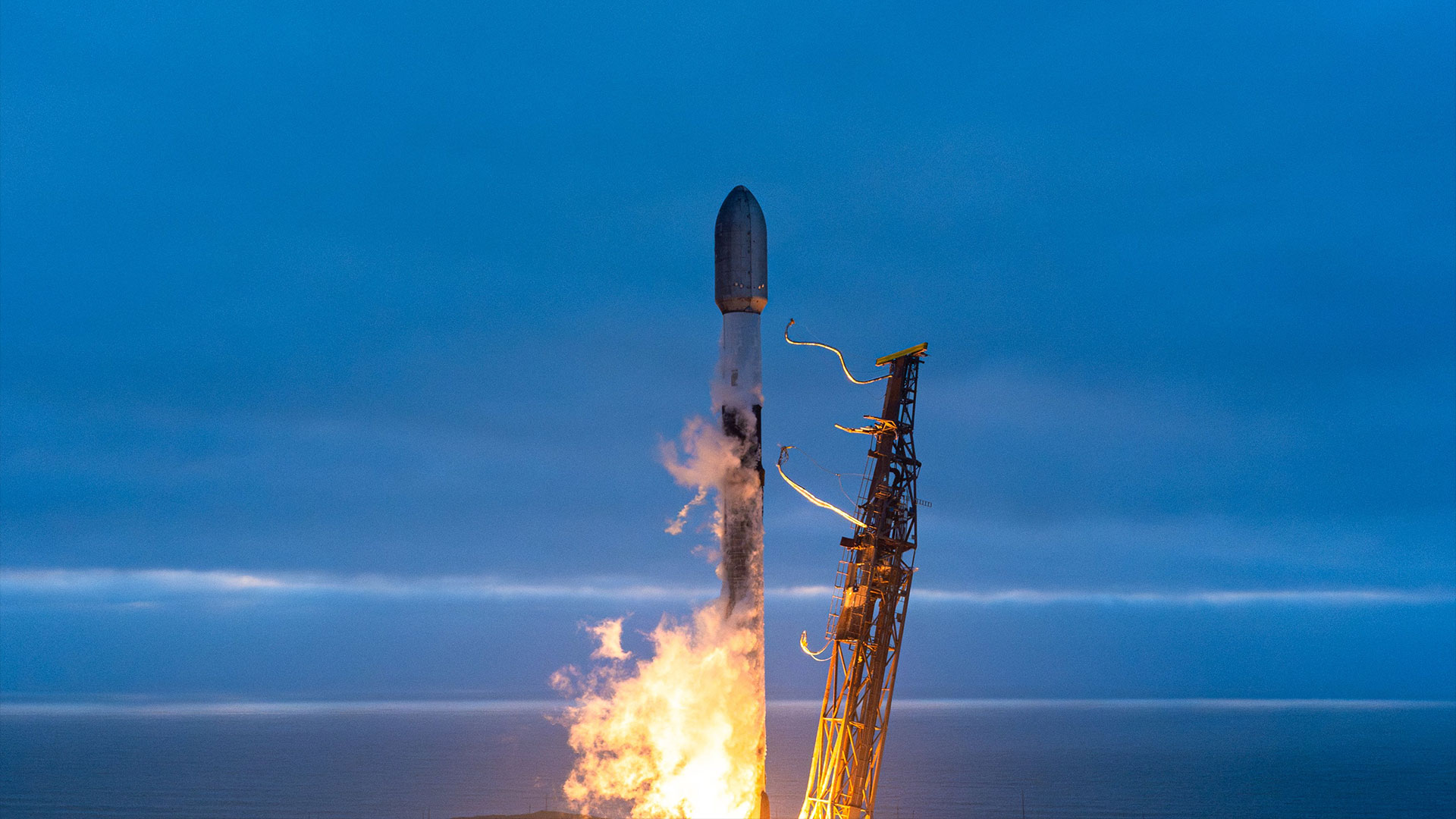
HAWTHORNE, Calif. — SpaceX pushed the boundaries of rocket reuse again early Thursday, launching a Falcon 9 first stage for a record-breaking 36th time from Cape Canaveral Space Force Station in Florida.
Liftoff came at 5:25 a.m. EDT (0925 GMT) on July 9, with the veteran booster hauling 29 Starlink broadband satellites toward low Earth orbit before the upper stage released them about an hour after launch. It was a routine morning in most respects — and a milestone in one very important one.
One Booster, 36 Missions
The first stage, known as Booster 1067, had already flown 35 orbital missions before Thursday, more than any other rocket in SpaceX history. Its résumé reads like a decade of spaceflight compressed into a single vehicle: NASA's CRS-22 cargo run, the Crew-3 and Crew-4 astronaut launches, Turksat 5B, Galileo and Koreasat missions, and two dozen dedicated Starlink flights.
The 36th flight extends that company record and inches the booster toward an even loftier mark. The all-time reuse record belongs to NASA's space shuttle Discovery, which flew 39 times before retirement. Booster 1067 is now just three missions away from matching an orbiter that took decades and a standing army of technicians to turn around.
Roughly 8.5 minutes after liftoff, the stage returned for a pinpoint landing on the drone ship "A Shortfall of Gravitas" in the Atlantic, ready to be refurbished and flown again. That reusability is the engine behind SpaceX's record-setting Starlink deployment pace, which has grown the megaconstellation to more than 10,700 active satellites.
A Relentless 2026 Cadence
Thursday's mission was already the 80th Falcon 9 flight of the year, and about 80% of those launches have been devoted to expanding Starlink, by far the largest satellite network ever assembled. SpaceX has described the launch to Space.com as another step in a tempo that now sees the company flying multiple times a week from pads on both coasts.
The pace has been visible all summer, from rideshare flights like the recent Transporter-17 mission to back-to-back Starlink launches. Each reused booster shaves cost and turnaround time, letting SpaceX treat orbital access less like a rare event and more like scheduled freight.
Why It Matters
Every additional flight from Booster 1067 is a real-world stress test of the reusability thesis that reshaped the launch industry. The longer these boosters keep flying safely, the cheaper access to space becomes — and the faster SpaceX can build out Starlink, loft customer payloads, and bankroll its Starship ambitions. If the current trajectory holds, the day a private rocket outflies the space shuttle is no longer a question of if, but when.