SpaceX Tops 10,700 Starlink Satellites at Record 2026 Pace

SpaceX has launched roughly 1,600 Starlink satellites in the first half of 2026, pushing its constellation past 10,700 at a record cadence.

3 min read
SpaceX Tops 10,700 Starlink Satellites at Record 2026 Pace

HAWTHORNE, Calif. — SpaceX is setting a launch pace no company has matched. The operator opened the second half of 2026 having launched roughly 1,600 Starlink satellites in the first six months of the year, pushing its low-Earth-orbit constellation past 10,700 active spacecraft — and it shows no sign of slowing down.

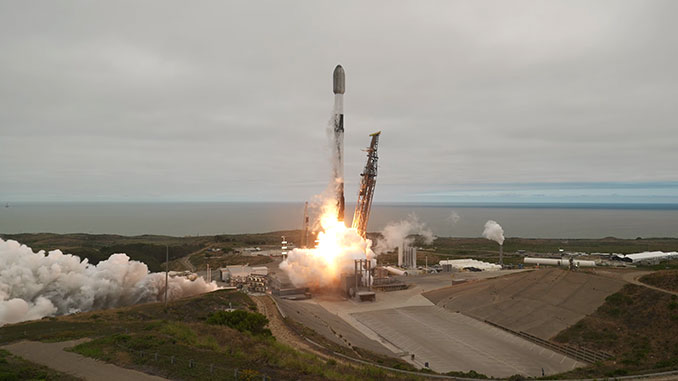
The tempo is remarkable in aggregate. This month's flights have already carried SpaceX past its 62nd Starlink delivery mission of 2026, on top of dozens of additional launches for commercial and government customers. When SpaceX opened the second half of the year with a Vandenberg mission, it was simply the latest entry in a cadence that now runs several launches a week.

Reusability makes it possible

The engine behind that rhythm is booster reuse. On a recent Vandenberg mission, a Falcon 9 first stage flew for its seventh time and notched SpaceX's 632nd booster landing overall. Rapid refurbishment and drone-ship recoveries let SpaceX fly the same hardware again and again, driving down cost per launch and freeing the company to treat orbit as routine rather than exceptional.

That reliability is why SpaceX can add two dozen or more Starlink satellites to orbit in a single flight while still flying paying customers, rideshare payloads and national-security missions on the side.
SpaceX Tops 10,700 Starlink Satellites at Record 2026 Pace — additional image

Starlink is the growth engine

The relentless deployment feeds a business that has become SpaceX's financial backbone. Starlink's subscriber base has been climbing quickly, and the network now serves users across more than 160 countries and territories. That momentum — detailed in Starlink's subscriber boom — turns each launch into recurring revenue, funding everything from Starship development to the company's AI ambitions.

Building toward the next leap

The current pace still relies on Falcon 9, but SpaceX is preparing for a step change. As Starship enters regular service, the company expects to deploy far larger, more capable satellites in bigger batches, accelerating both coverage and capacity. For now, the Falcon 9 fleet is doing the work — and doing it at a scale that keeps rewriting the record books.

Spaceflight Now's launch coverage captured the routine nature of it all: another batch of satellites, another booster landing, another step toward a constellation that already dwarfs everything else in orbit. With more than 10,700 satellites working overhead and the second half of 2026 just beginning, SpaceX's lead in space-based connectivity looks less like a head start and more like a moat.