
SpaceX Files FCC Plan for Starship's First Orbital Flight

SpaceX has filed with the FCC for a mission profile that would take Starship to orbit for the first time on Flight 14, carrying about 20 operational Starlink V3 satellites.

3 min read
SpaceX Files FCC Plan for Starship's First Orbital Flight

BOCA CHICA, Texas — SpaceX has asked the Federal Communications Commission for permission to operate Starlink terminals during the fourteenth flight of its Starship rocket, and the paperwork describes something the program has never attempted: a genuine trip to orbit.

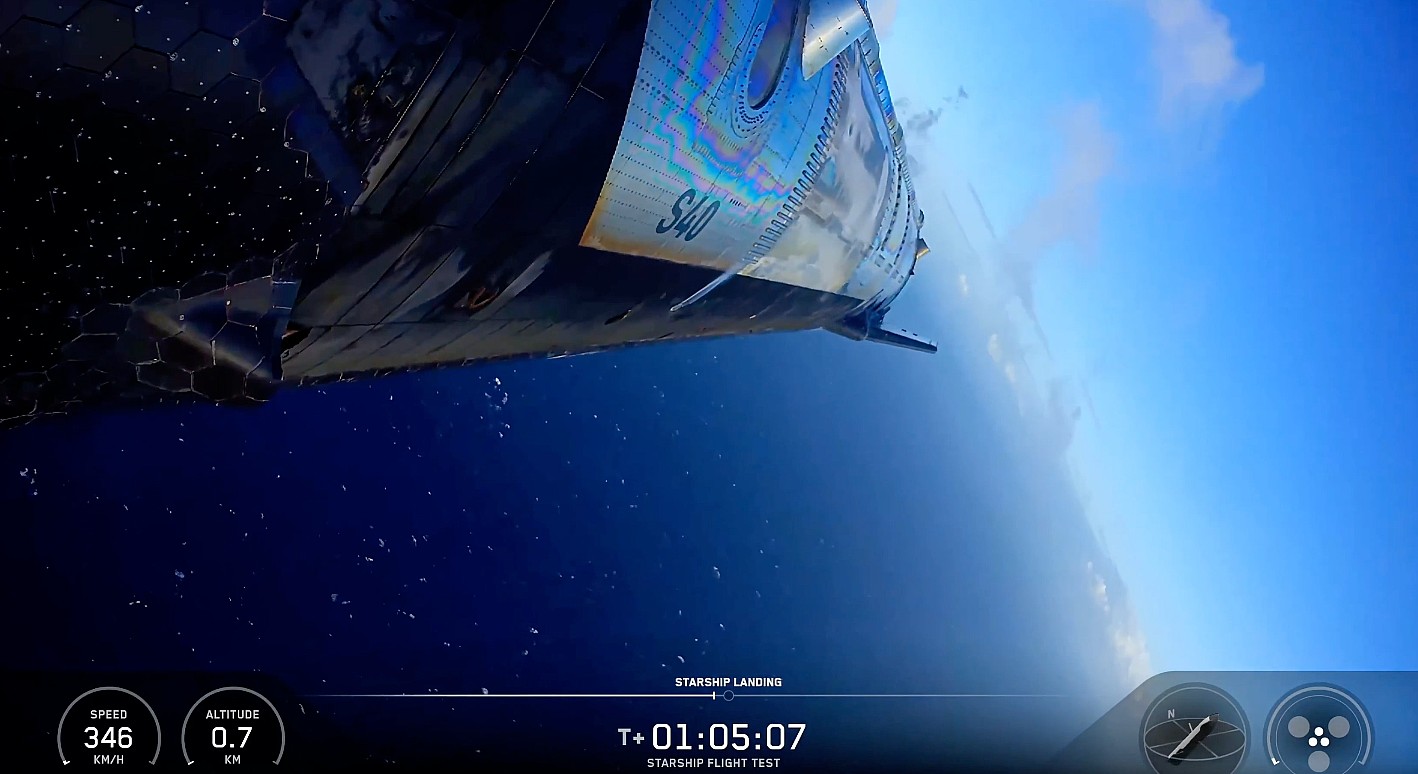
Every Starship mission so far has flown a suborbital arc that ends with the upper stage reentering the atmosphere within the same hour it launches. Flight 13, which nailed a soft splashdown in the Indian Ocean on July 24, followed exactly that path. The new FCC filing lays out a mission profile built around an actual orbital insertion instead, a milestone that would move Starship from test vehicle to operational launcher.

A Real Payload, Not a Simulator

The payload tells the rest of the story. Flight 13 carried 20 production Starlink V3 satellites, but because that mission never reached orbit, the spacecraft reentered along with the ship rather than joining the network. Flight 14 is designed to close that gap. If the orbital insertion holds, the roughly 20 V3 satellites on board would separate into an operational orbit and could eventually enter service, each one rated for about 1 terabit per second of downlink capacity by SpaceX's own account.

That capacity is the whole point of the V3 generation. A single fully deployed batch carries more downlink throughput than dozens of current-generation satellites combined, and Starship is the only vehicle large enough to loft them in bulk. Reaching orbit on Flight 14 would let SpaceX begin stacking that capacity into the constellation for real.
SpaceX Files FCC Plan for Starship's First Orbital Flight — additional image

Hardware Has Caught Up

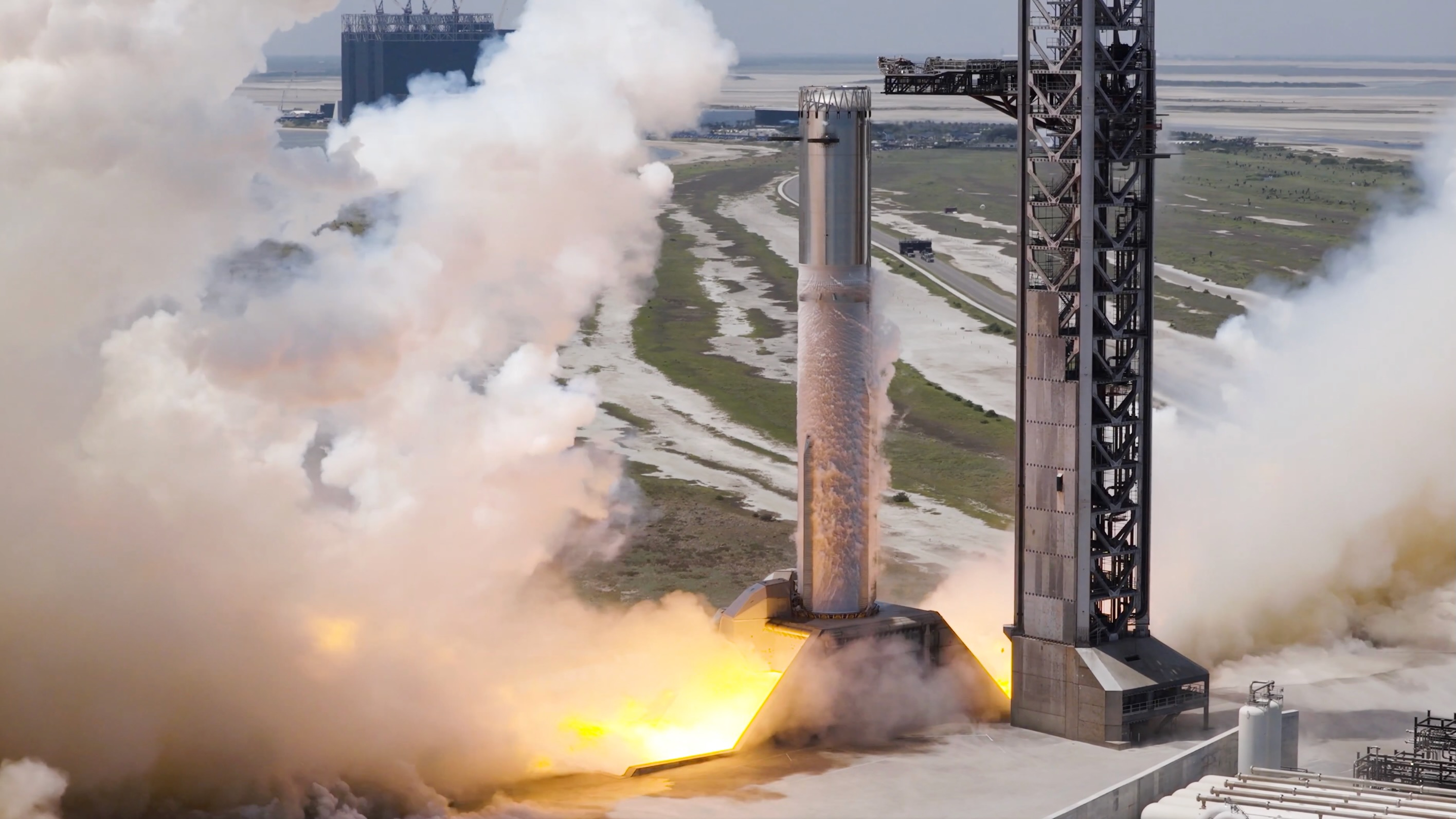
The ambition is matched by test progress. Booster 21 completed a full 33-engine static fire on August 28, and Ship 41 finished its own six-engine firing the week before. An airspace notice circulated to pilots listed September 15 as a target date, and SpaceX has continued rolling hardware toward the pad at Starbase. Flight 14 will target a splashdown for the ship rather than a tower catch, the recovery method used since Flight 12.

Elon Musk first flagged the orbital attempt during SpaceX's August 4 earnings call, the company's first as a public entity following its June IPO under the ticker SPCX. As Teslarati reported, the FCC filing covers communications authority rather than flight readiness, so it does not lock in a launch date. SpaceX still needs Ship 41 fully stacked and cleared by the FAA before the rocket can fly.

Why It Matters

Still, the filing is a concrete marker of intent. It puts a formal regulatory process behind what had until now been Musk's word on an earnings call. Orbital flight unlocks the reason Starship exists: a fully reusable heavy lifter that can deploy operational payloads on every mission and, eventually, carry crews toward the Moon and Mars.

If Flight 14 succeeds, it would be the moment Starship stops rehearsing and starts working. The V3 satellites would mark the vehicle's first real cargo delivery, and the path to routine, high-cadence orbital launches would open. For a program that has spent years proving it can survive the trip home, going to orbit is the next, and far larger, prize.