
SpaceX Shifts Florida Starlink Launches to Starship

SpaceX says future Starlink launches from Florida will fly on Starship, not Falcon 9 — a bold bet that hands the Sunshine State to its next-generation rocket while Vandenberg keeps the Falcon 9 workhorse busy.

3 min read
SpaceX Shifts Florida Starlink Launches to Starship

HAWTHORNE, Calif. — SpaceX is making a striking statement about where its rockets are headed: from now on, Starlink launches out of Florida will fly on Starship, not Falcon 9. The declaration came as the company launched its 80th Starlink mission of the year, underscoring just how confident SpaceX has become in the readiness of its giant next-generation vehicle.

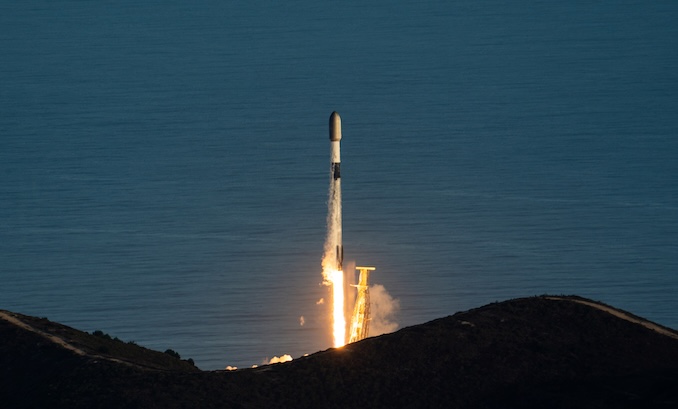
"From here on, Starlink missions out of Florida will fly on Starship," said Kiko Dontchev, SpaceX's Vice President for Launch, in comments reported by Spaceflight Now. The most recent West Coast flight, Starlink 15-24, lifted off from Vandenberg Space Force Base and marked the third Starlink mission since the policy shift.

A Division Of Labor Between Coasts

The move sets up a clear division of labor. Vandenberg will keep the proven Falcon 9 humming for Starlink deployments, while Florida's pads are groomed for Starship. It is a strategy built around confidence: SpaceX is willing to route an entire launch stream through Starship on the East Coast because it expects the vehicle to be flying operationally soon.

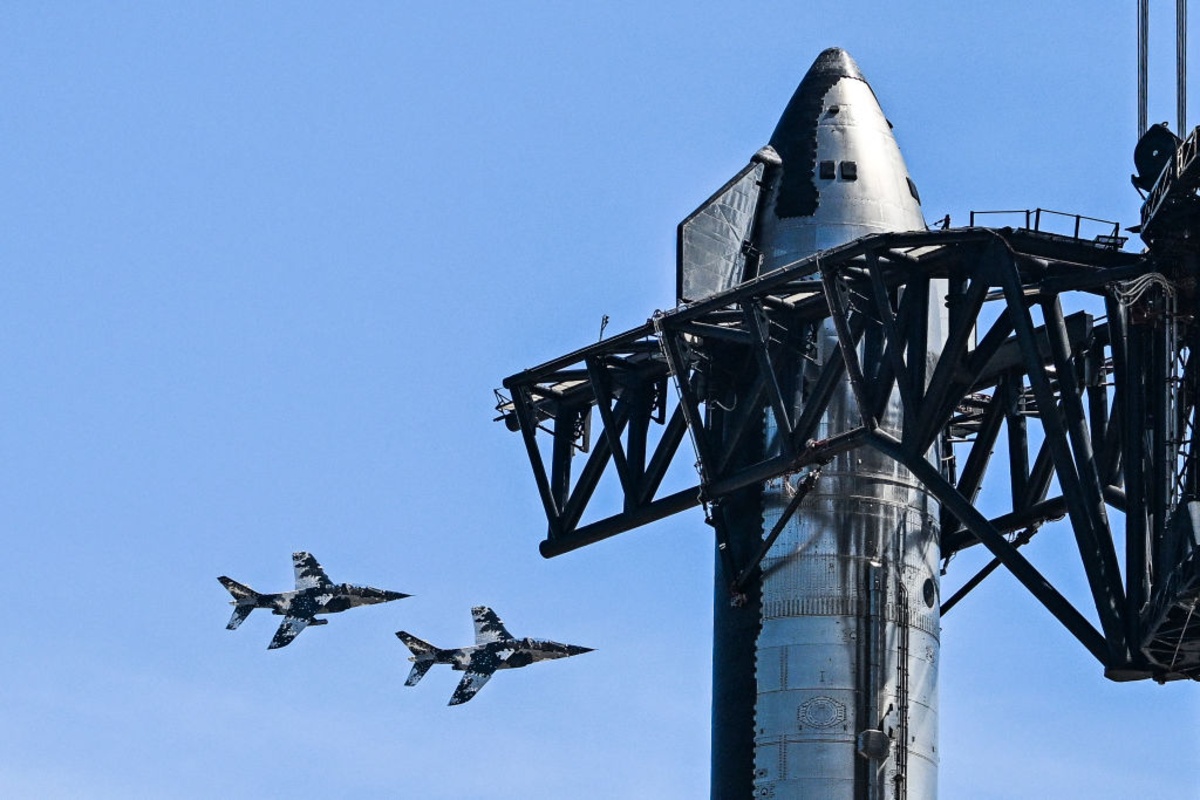
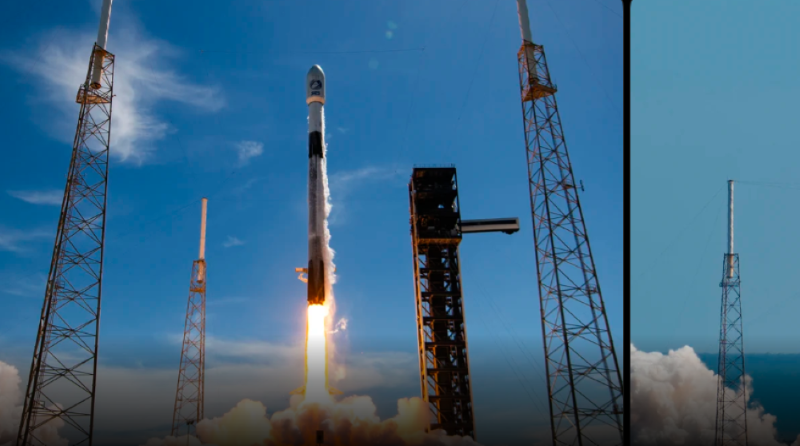
To make it happen, SpaceX is building three Starship launch towers in Florida — one at Launch Complex 39A at NASA's Kennedy Space Center and two at Space Launch Complex 37 at Cape Canaveral. The company has said it aims to launch its first Starship mission from Florida before the end of the year, expanding on the rapid pad progress already underway on the Space Coast.
SpaceX Shifts Florida Starlink Launches to Starship — additional image

Why Starship Changes The Math

The logic is capacity. Starship's 9-meter payload bay can carry the next-generation Starlink V3 satellites that are too large and heavy for Falcon 9's fairing. Each V3 is rated for more than a terabit per second of downlink — over ten times a current satellite — and a single Starship batch is expected to add far more network capacity than a Falcon 9 flight can. Handing Florida to Starship is how SpaceX unlocks that leap.

That ambition rides on a busy test campaign at Starbase in Texas, where SpaceX has completed static fires of Ship 41 and Booster 21 ahead of the vehicle's first orbital flight attempt. Once Starship is flying regularly, the Florida towers give SpaceX a second front to scale launch cadence dramatically.

The Workhorse Keeps Working

None of this slows the Falcon 9. The Vandenberg flight used booster B1088 on its 19th trip, landing on the droneship Of Course I Still Love You — the 659th Falcon booster landing to date. The reliability that made Falcon 9 the most flown rocket in history is exactly what lets SpaceX free up Florida for the future.

The message is confident and forward-looking: keep the workhorse running where it excels, and stake the next chapter on the rocket built to carry the constellation's biggest upgrade yet. If Starship delivers on its Florida debut this year, SpaceX will have two coasts, two rockets, and an unmatched path to scaling Starlink faster than anyone else.