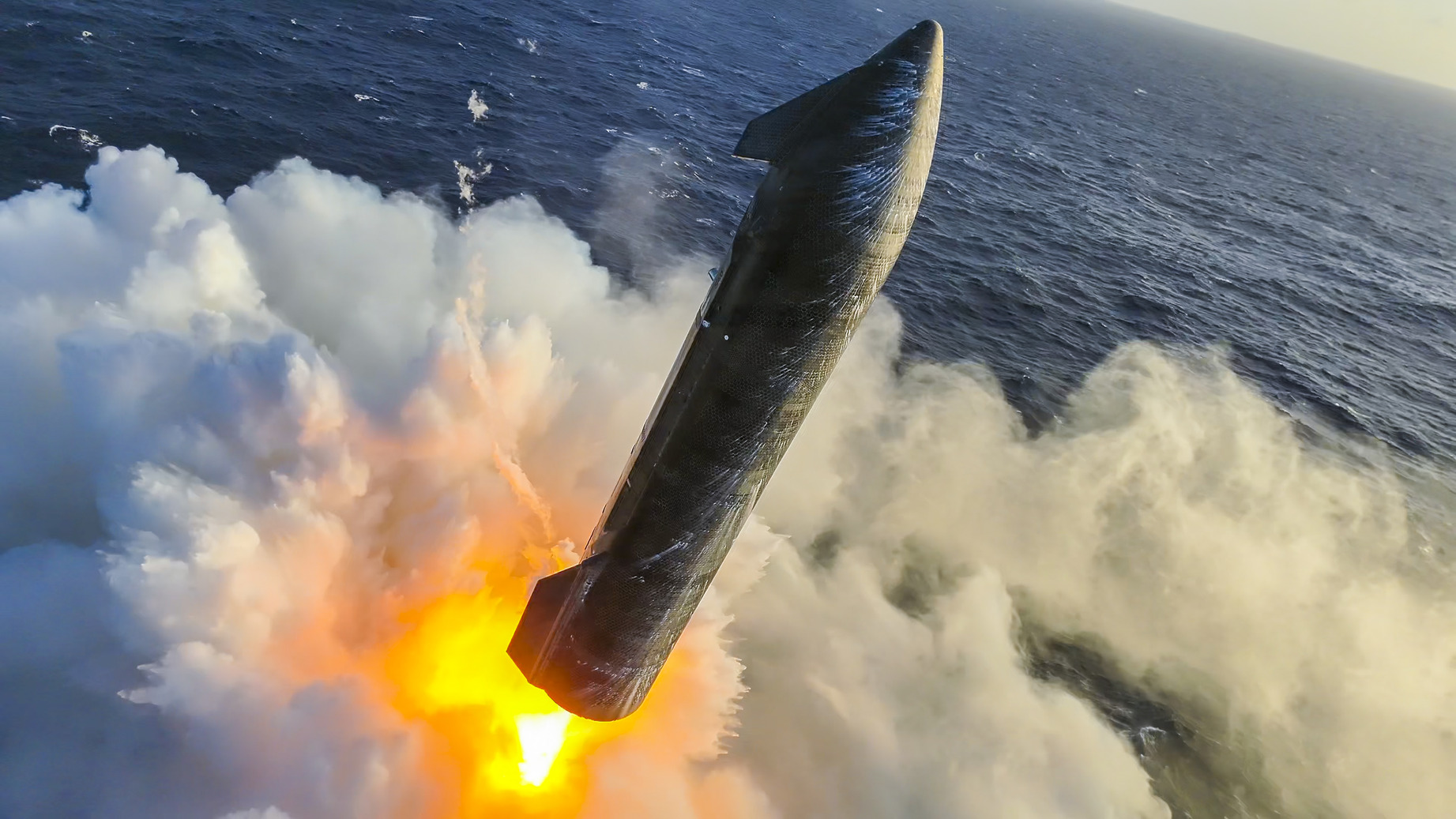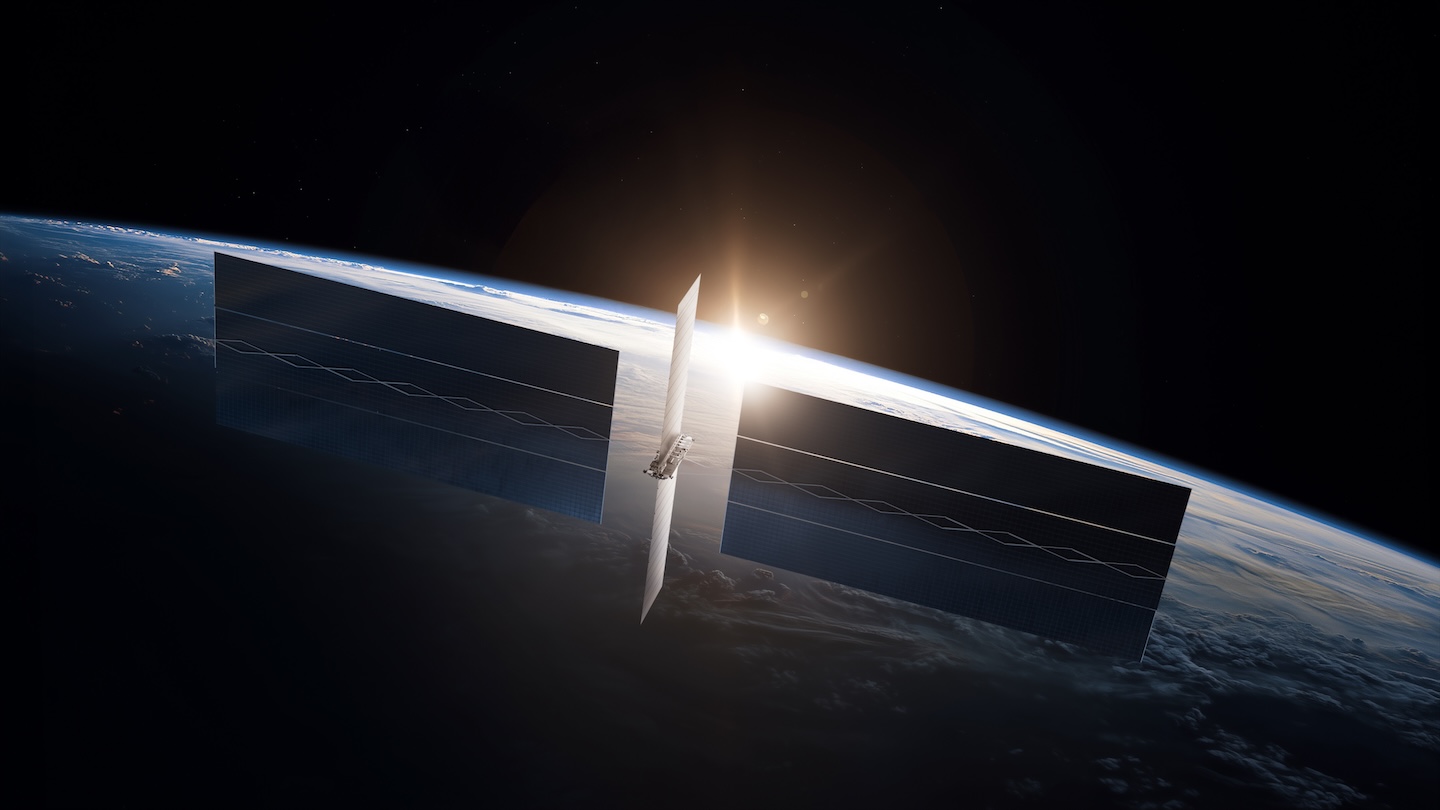
HAWTHORNE, Calif. — SpaceX is taking its artificial-intelligence ambitions to orbit, announcing a partnership with Nvidia to design the compute payload for Starmind AI1, the first satellite in a planned constellation built to run AI workloads directly in space.
SpaceX revealed the collaboration on X hours before its first-ever earnings call as a public company, saying each Starmind satellite will carry Nvidia's Rubin GPUs and Vera CPUs. On the call, CEO Elon Musk went further, committing SpaceX to build its AI infrastructure exclusively on Nvidia hardware. "We think the Vera Rubin architecture is the best architecture. We think it's the best AI computer," Musk told investors. "So we're exclusive to Nvidia."
Compute Above the Clouds
The idea behind Starmind is audacious: instead of shuttling data down to ground-based servers, satellites equipped with onboard processors and large solar arrays would compute AI workloads in orbit and beam the results back to Earth. SpaceX has already filed with the FCC for a constellation of up to one million satellites to support the effort, citing constant solar power and the absence of zoning restrictions as advantages over terrestrial data centers.
Musk said SpaceX plans to deploy Nvidia's Vera Rubin NVL72 rackscale system, codenamed Kyber, both on the ground and in space, targeting 2 gigawatts of compute capacity online by the end of this year and roughly 10 gigawatts by the end of 2027. That build-out dovetails with the AI compute business that is already reshaping SpaceX's balance sheet, where leased capacity to major AI labs has become a fast-growing revenue stream alongside the Starlink network that keeps expanding its satellite fleet.