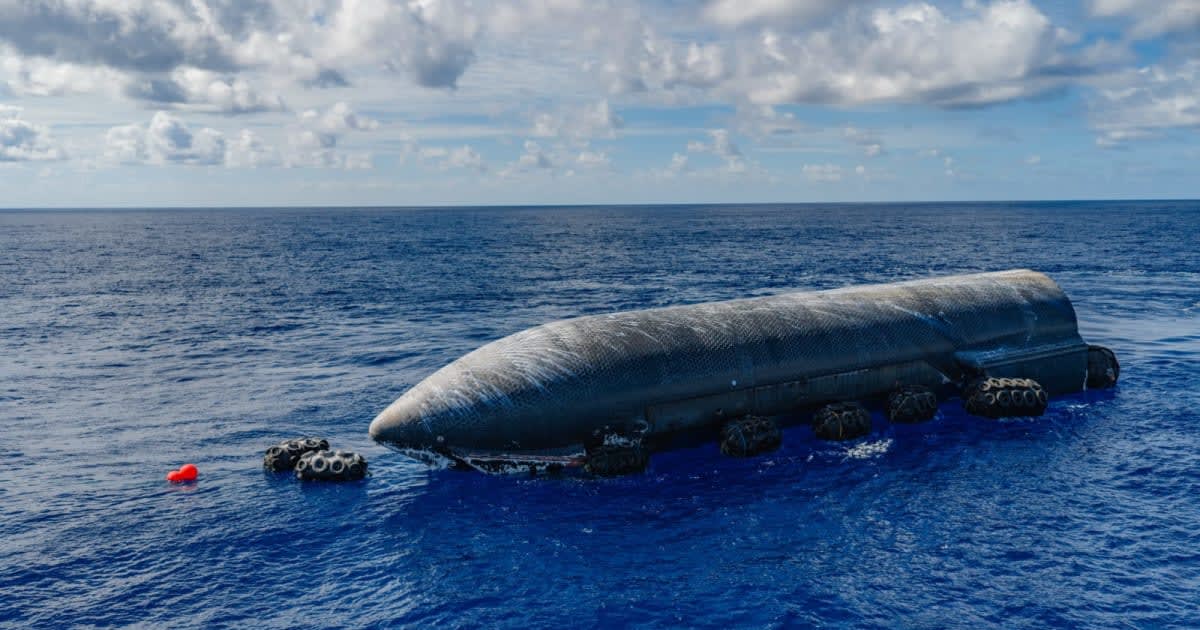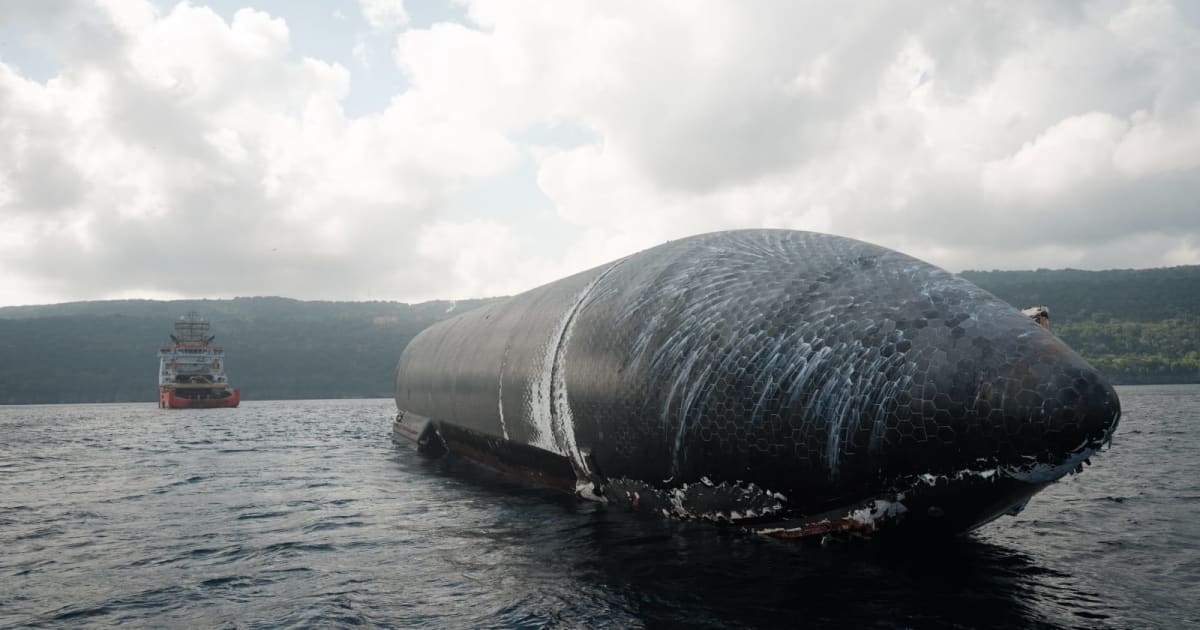
BOCA CHICA, Texas — SpaceX has completed one of the most remarkable salvage operations in its history, guiding the intact upper stage of its Starship rocket to sheltered waters off Christmas Island after the vehicle drifted through the Indian Ocean for 24 days.
The spacecraft, known as Ship 40, flew on the Flight 13 test on July 24 and made the program's first fully intact ocean splashdown before floating far longer than anyone expected. On August 18, SpaceX confirmed that its recovery team had finally reached the 171-foot vehicle and towed it to calmer seas near the remote Australian territory.
A First-of-Its-Kind Recovery
Every previous Starship upper stage that reached the ocean was expected to sink or break apart, and Ship 39 did exactly that on Flight 12 in May. Ship 40 changed the script. After a controlled landing burn above the Indian Ocean, it remained afloat, handing SpaceX an unplanned chance to inspect a flight-proven ship up close.
The recovery was not easy. In an August 7 update, Elon Musk cautioned that the effort was "not looking good," as crews aboard the vessels Go Australis and Normand Ranger battled rough seas while nursing the 52-meter stage toward port. Days later, conditions eased and the team brought the vehicle in. SpaceX has since set up a 500-meter exclusion zone around the ship and its support fleet, echoing its earlier Starship flight milestones.
Why an Intact Ship Matters
Recovering a ship that has actually flown to space and come home in one piece is a first for the program, and engineers see it as a rare gift. SpaceX said a team is on site to conduct additional analysis before deciding how to return the vehicle to Starbase.