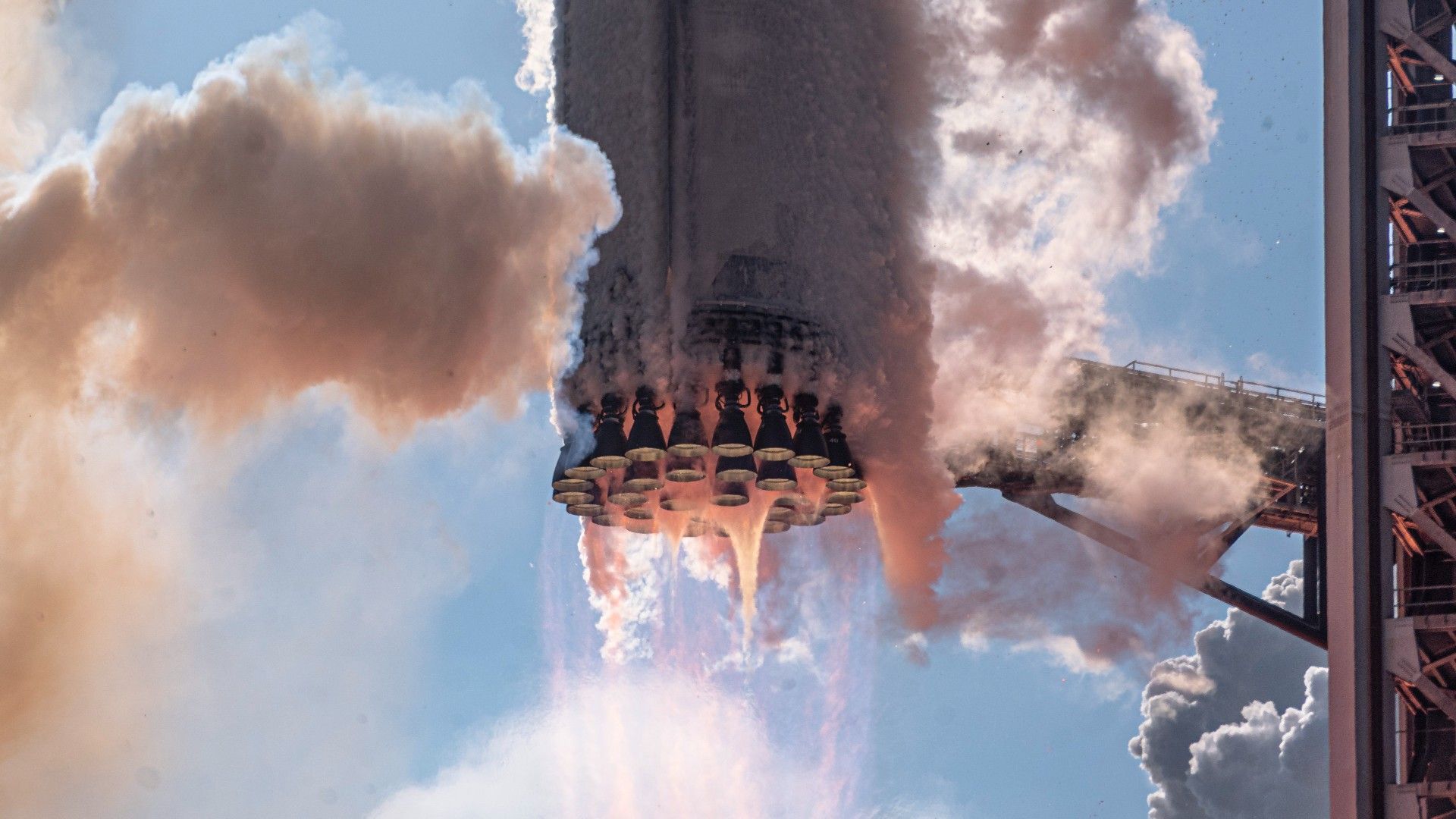
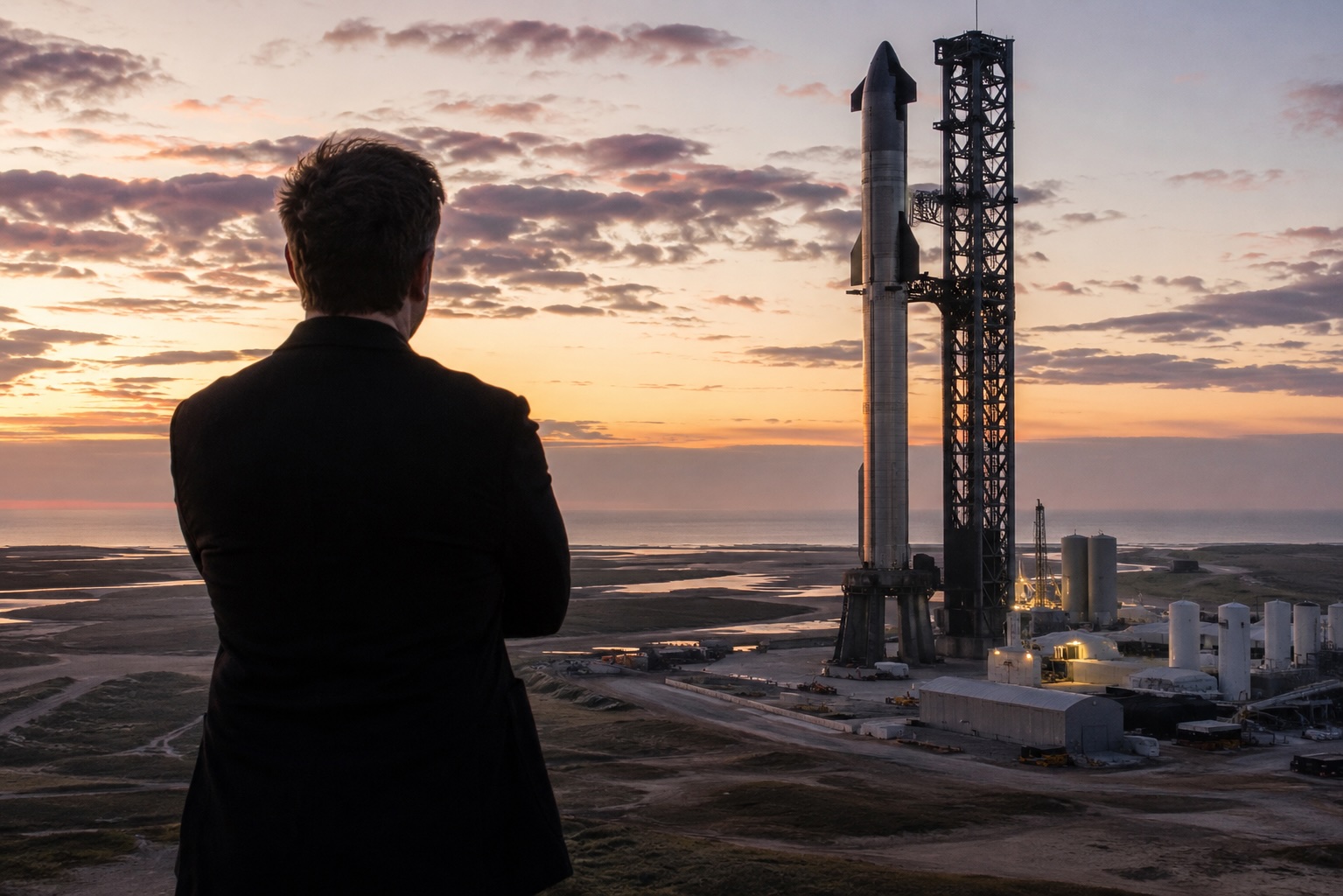
BOCA CHICA, Texas — SpaceX stood down from its 13th Starship test flight on Thursday evening at the last possible moment, after four of the Super Heavy booster's 33 Raptor 3 engines failed to ignite during the startup sequence and triggered an automatic launch abort.
The 90-minute window had opened at 6:45 p.m. EDT from Starbase in South Texas, and the countdown had proceeded cleanly all day, with more than 11.5 million pounds of liquid methane and liquid oxygen fully loaded before the vehicle's own systems called off the attempt. "Standing down from today's flight test attempt," SpaceX posted, before safing the rocket and draining its tanks.
What Musk said broke
Elon Musk confirmed the cause within hours. "Some of the engines did not start, triggering an automatic launch abort," he wrote. "To be confident of a good flight, 2 Raptors will be removed and replaced. Most probable launch timing is early next week." Booster 20 was rolled back to its hangar for inspection, with a return to the pad expected in the coming days.
Rather than a setback, the clean abort is a showcase of exactly the kind of automated safeguard that makes rapid, reusable spaceflight possible. The rocket detected an off-nominal engine start and shut itself down on the pad, protecting the vehicle and its payload for another attempt. That built-in caution reflects the same methodical upgrade philosophy SpaceX applied after Flight 12.