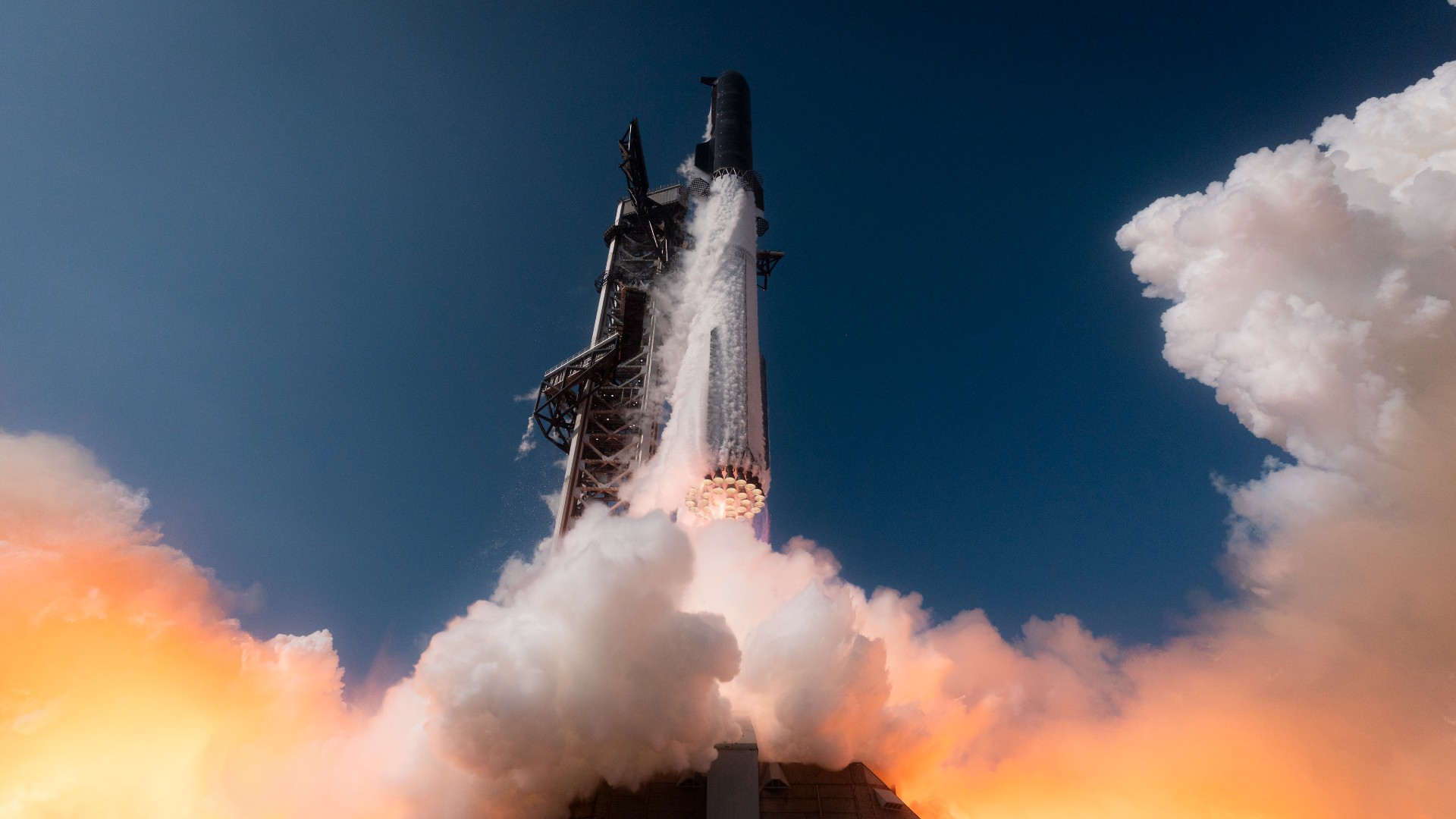
BOCA CHICA, Texas — SpaceX is aiming to make history again this month. On the company's first-ever earnings call, CEO Elon Musk said the 14th test flight of Starship is tentatively scheduled before August is out — and it could notch two firsts at once: deploying viable payloads into orbit and catching the Ship with the launch tower.
"Assuming we receive regulatory approval to do so, we will attempt to catch the Ship with the tower on the next flight, which is tentatively scheduled for the end of this month," Musk said. It would be the first time SpaceX tries to catch the roughly 171-foot upper stage with the "chopstick" arms at Starbase, a maneuver the company has so far reserved for the Super Heavy booster.
The Heat Shield Problem, "Solved"
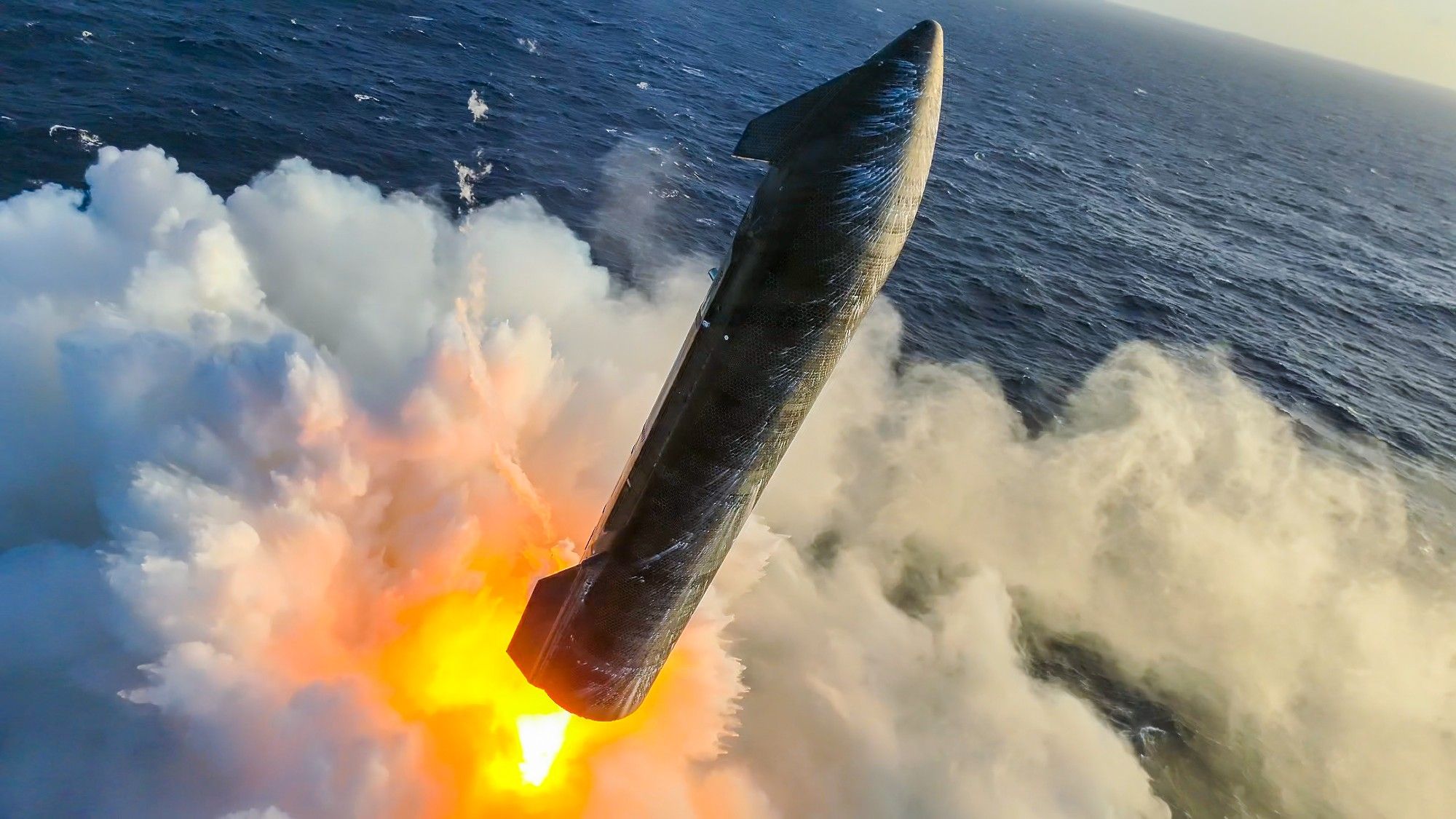
Musk's confidence flows directly from Starship's 13th flight, whose intact vehicle SpaceX moved to recover from the Indian Ocean. That mission ended with the softest splashdown yet and, crucially, a heat shield that survived reentry in excellent shape.
"I don't want to jinx it or anything, but I think I'd consider the heat shield problem solved at this point," Musk said. The heat shield has long been the toughest obstacle to full, rapid reusability — the breakthrough that SpaceX believes will cut the cost to orbit by 99% or more. Solving it removes one of the last major barriers between Starship and routine operational flight.
Operational Starlinks and a Rising Cadence
Flight 14 will also carry a batch of SpaceX's V3 Starlink satellites, a larger and more capable version of the spacecraft that populate the company's broadband megaconstellation. Flight 13 carried 20 V3 satellites but deployed them on a suborbital arc; on the upcoming mission, the satellites are slated to reach an operational orbit for the first time.
Musk framed the flight as one step in a steep ramp. "We expect the cadence of flights to be increasing rapidly, and, probably a year from now, we will be doing at least one flight a day, possibly more," he told investors, according to reporting by TechCrunch. That tempo will be essential to building out both the 100,000-satellite Starlink V3 network and SpaceX's planned orbital AI constellation.
From Test Program to Operational Rocket
The stakes were underscored by the setting: Musk's remarks came alongside SpaceX's first quarterly report as a public company, which showed revenue surging to $7.8 billion. Starship is the vehicle meant to carry that growth forward, from Starlink deployment to NASA's Artemis lunar landings and, eventually, Mars.
A successful Flight 14 would mark a turning point — the moment Starship shifts from an experimental program racking up test data to an operational launch system delivering real payloads and returning intact for reuse. SpaceX still needs regulatory clearance to attempt the tower catch, but with the heat shield question apparently behind it, the company is closer than ever to the fully reusable rocket Musk has promised for two decades. If the timeline holds, the most powerful rocket ever built could be catching itself out of the sky within weeks.