LIVELIVERobotaxi
Rollout
,robotaxis
  • TexasCybercab126Model Y420Driverless
  • Miami, FLUndisclosedDriverless
  • Orlando, FLUndisclosedDriverless
  • Tampa, FLUndisclosedDriverless
  • Bay Area, CAModel Y1,655Safety driver
  • Las Vegas, NVUp to 5,000Approved
  • Phoenix, AZPreparingComing soon

SpaceX Sets Sept. 28 for Starship's First Orbital Flight

SpaceX now targets Sept. 28 for Starship Flight 14, a landmark first orbital mission that will deploy 26 next-gen Starlink V3 satellites and circle Earth six times.

3 min read
SpaceX Sets Sept. 28 for Starship's First Orbital Flight

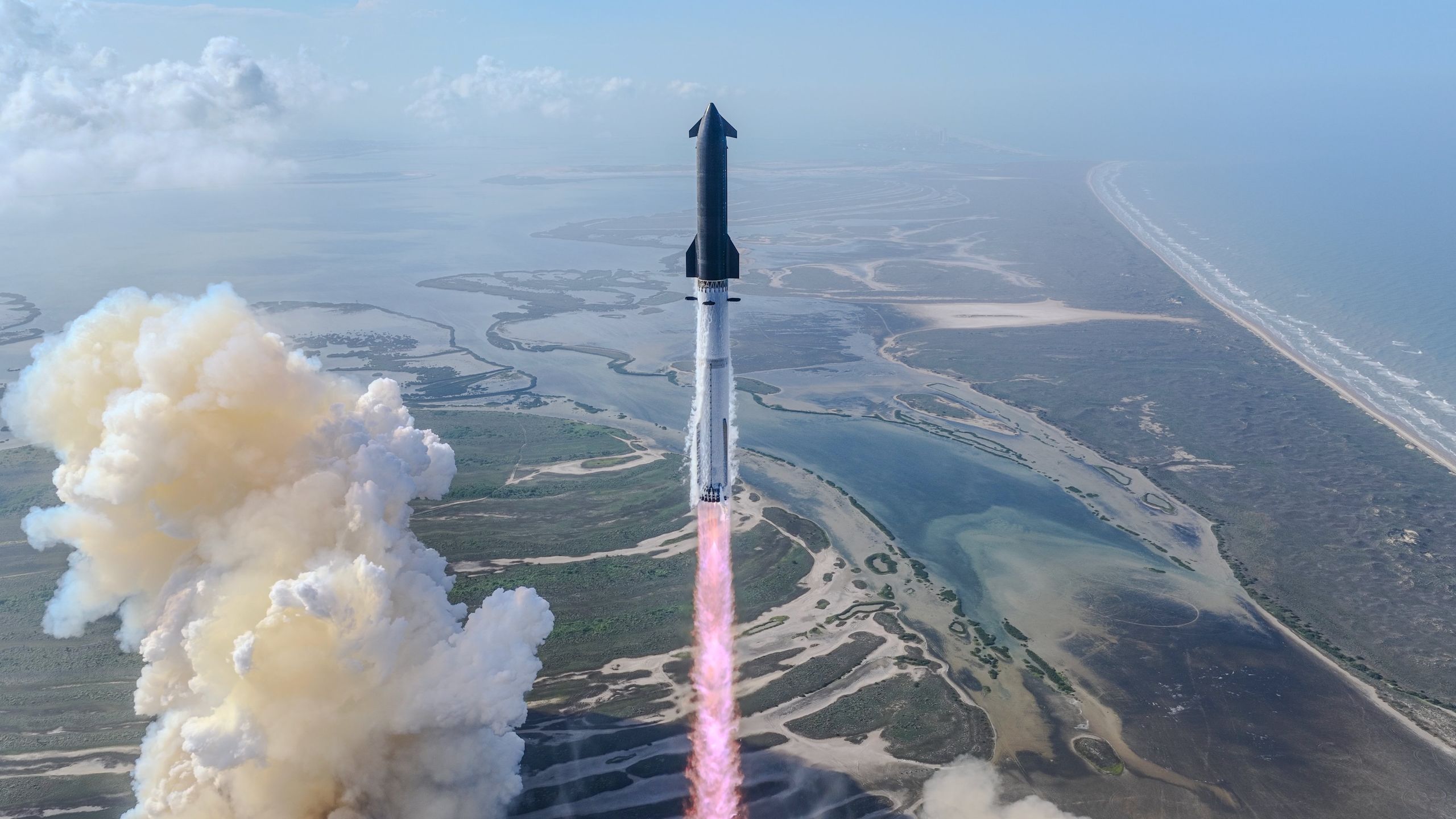
BOCA CHICA, Texas — SpaceX has set a new date for the most ambitious Starship test yet, now targeting Monday, Sept. 28 for Flight 14, the megarocket's first-ever orbital mission. The launch, which slipped from an earlier Sept. 22 target, will attempt milestones that none of Starship's previous 13 flights have reached.

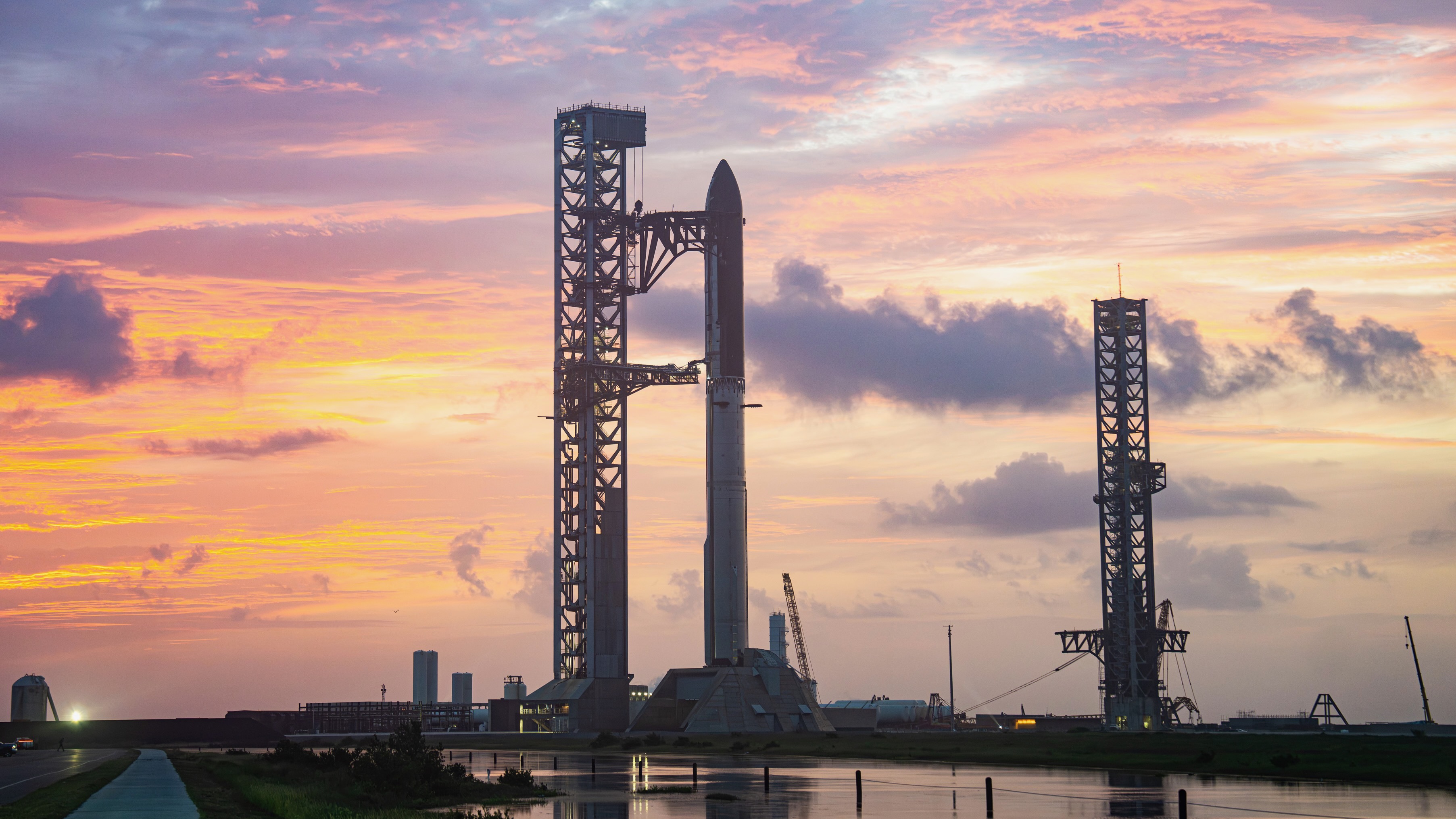
Liftoff from Starbase in South Texas is planned during a 75-minute window opening at 8:15 a.m. EDT, pending regulatory approval. The 408-foot-tall vehicle's first 13 flights were all suborbital, so simply reaching orbit will mark a turning point in the program's development.

A true orbital profile

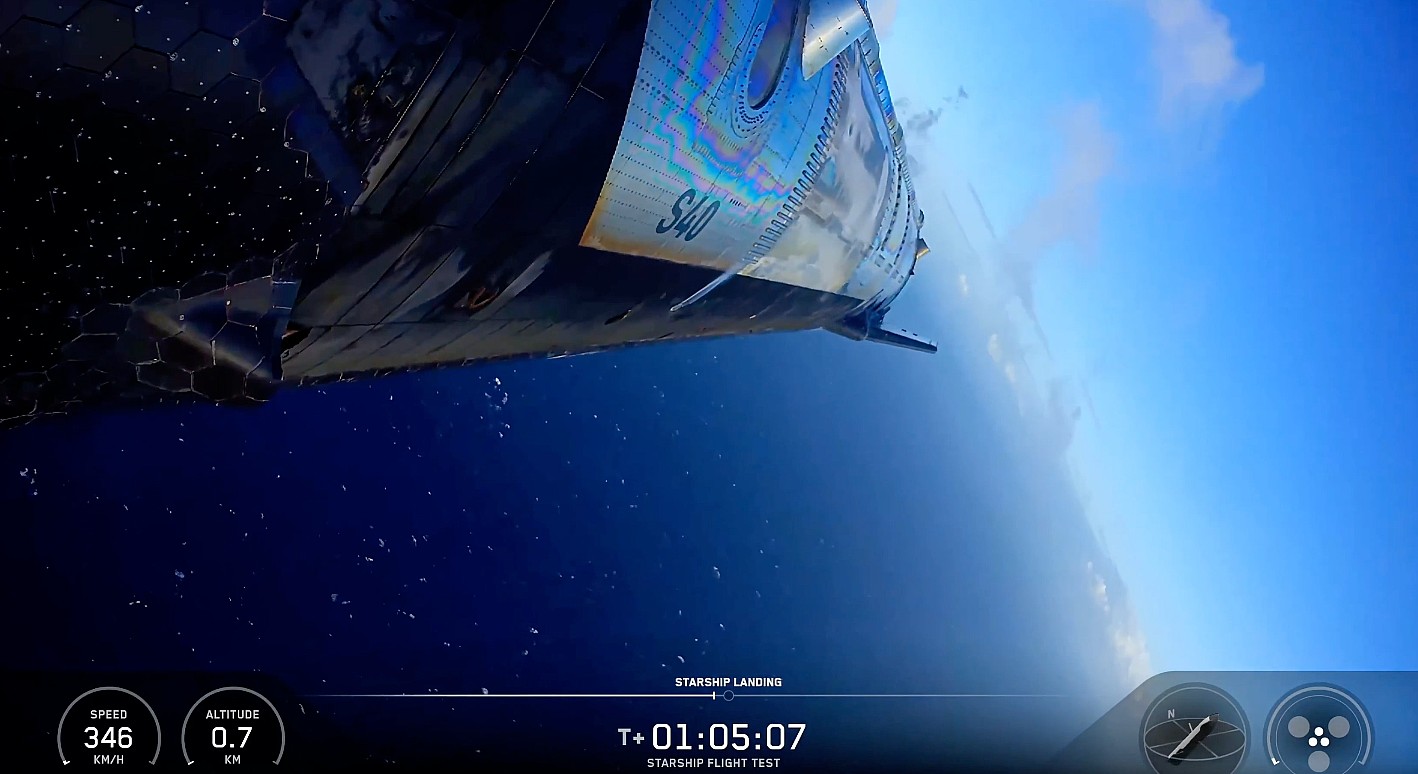
If all goes to plan, the upper stage, known as Ship, will complete six orbits of Earth at an altitude of about 171 miles before maneuvering to a splashdown in the Pacific Ocean west of Chile roughly 10 hours after launch. That is a dramatic departure from prior missions, where Ship stayed aloft for about 65 minutes and came down in the Indian Ocean.

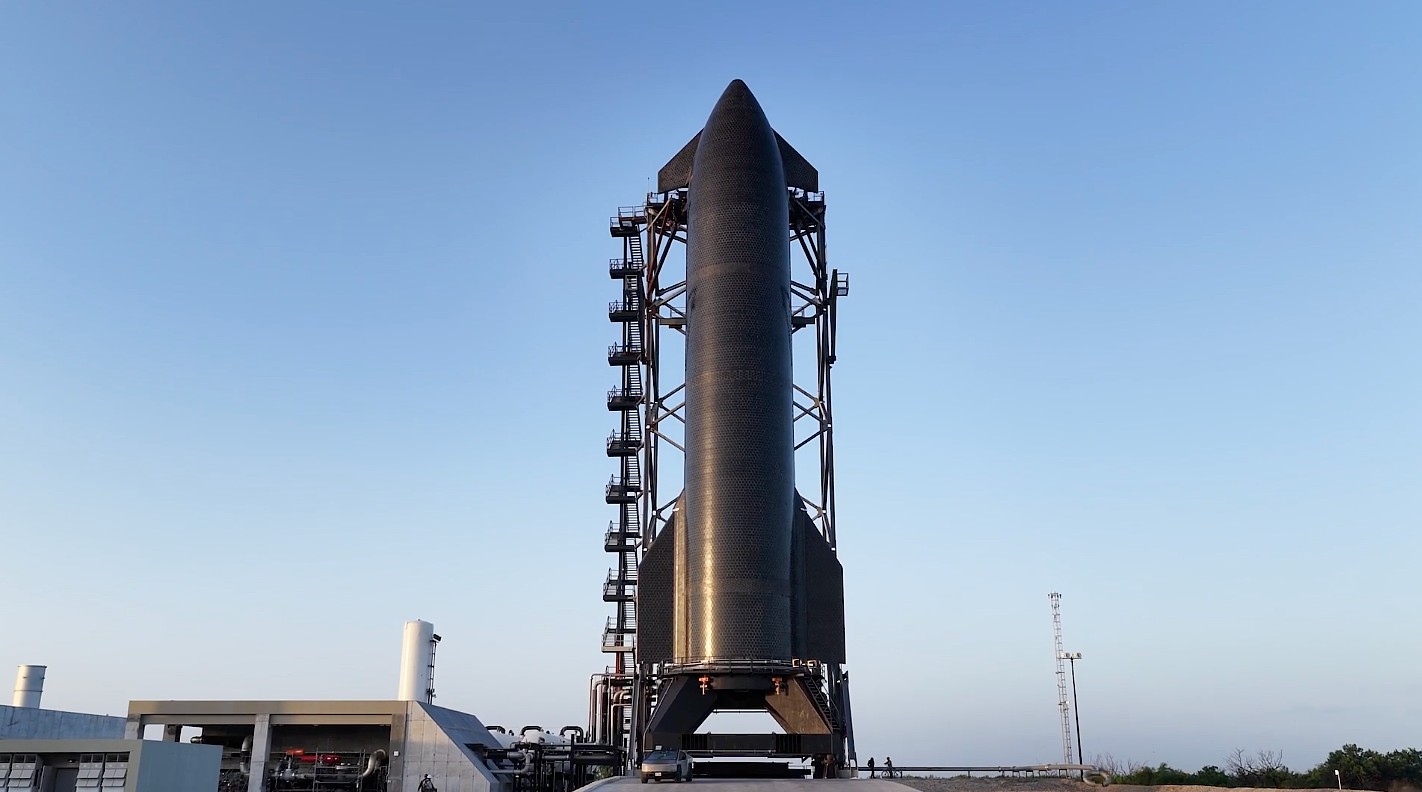
The Super Heavy booster will fly a familiar route, aiming for a splashdown in the Gulf of Mexico about seven minutes after liftoff. There will be no tower catch on this flight, keeping the focus squarely on the orbital objective. SpaceX has been methodically clearing the runway to this point, including recent Ship 42 catch tests as it prepped Flight 14.
SpaceX Sets Sept. 28 for Starship's First Orbital Flight — additional image

First deployment of Starlink V3

Flight 14 will also mark the first time SpaceX plans to deploy Starlink V3 satellites, carrying 26 of the larger, more capable craft designed to launch only on Starship. Musk has said he wants the constellation to eventually hold 100,000 V3 satellites, dramatically expanding connectivity speeds and reliability worldwide.

Three of the Starlink craft on this flight carry cameras that will photograph Ship's heat shield after deployment, giving engineers data to refine the thermal protection that guards the vehicle on reentry. SpaceX's satellite ambitions are advancing on multiple fronts at once, including its work finishing a space-internet system that isn't Starlink.

The gateway to full reusability

Reaching orbit unlocks the next phase of Starship development, from in-orbit refueling to eventual Ship tower catches, capabilities required for the Moon, Mars, and beyond. As Space.com reported, SpaceX framed the flight as the moment the push toward fully and rapidly reusable rockets can truly begin.

With the vehicle stacked and the mission profile set, Sept. 28 could become one of the most consequential dates in SpaceX history, the day Starship finally goes orbital and starts proving out the reuse that underpins Musk's vision for interplanetary travel.