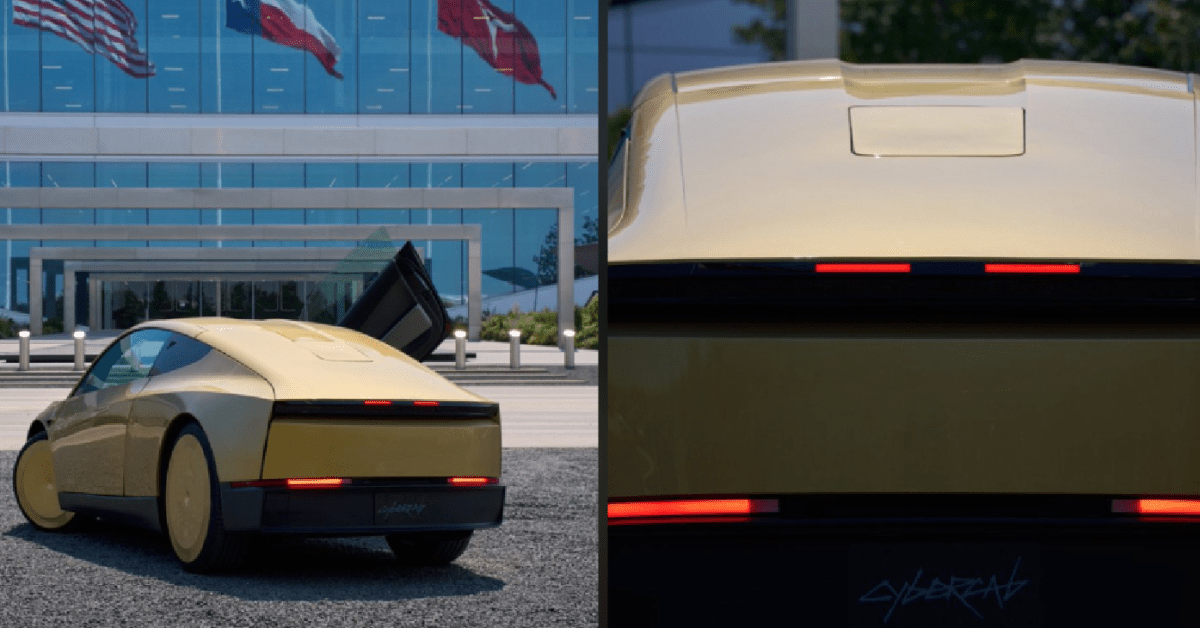
AUSTIN, Texas — Tesla took its production Cybercab to one of the most fitting audiences imaginable this month, rolling the steering-wheel-free robotaxi into the National Federation of the Blind (NFB) Annual Convention in Austin for a hands-on demonstration of how autonomy can reshape mobility for people who cannot drive.
The July 3 showcase at the JW Marriott Austin let blind and visually impaired attendees explore the vehicle up close. Many arrived with white canes or guide dogs and stepped into a two-seat cabin that has no steering wheel, no pedals, and no need for a human behind the wheel. For a community long dependent on others to get around, it was a preview of something close to full independence.
Designed to Be Felt, Not Just Seen
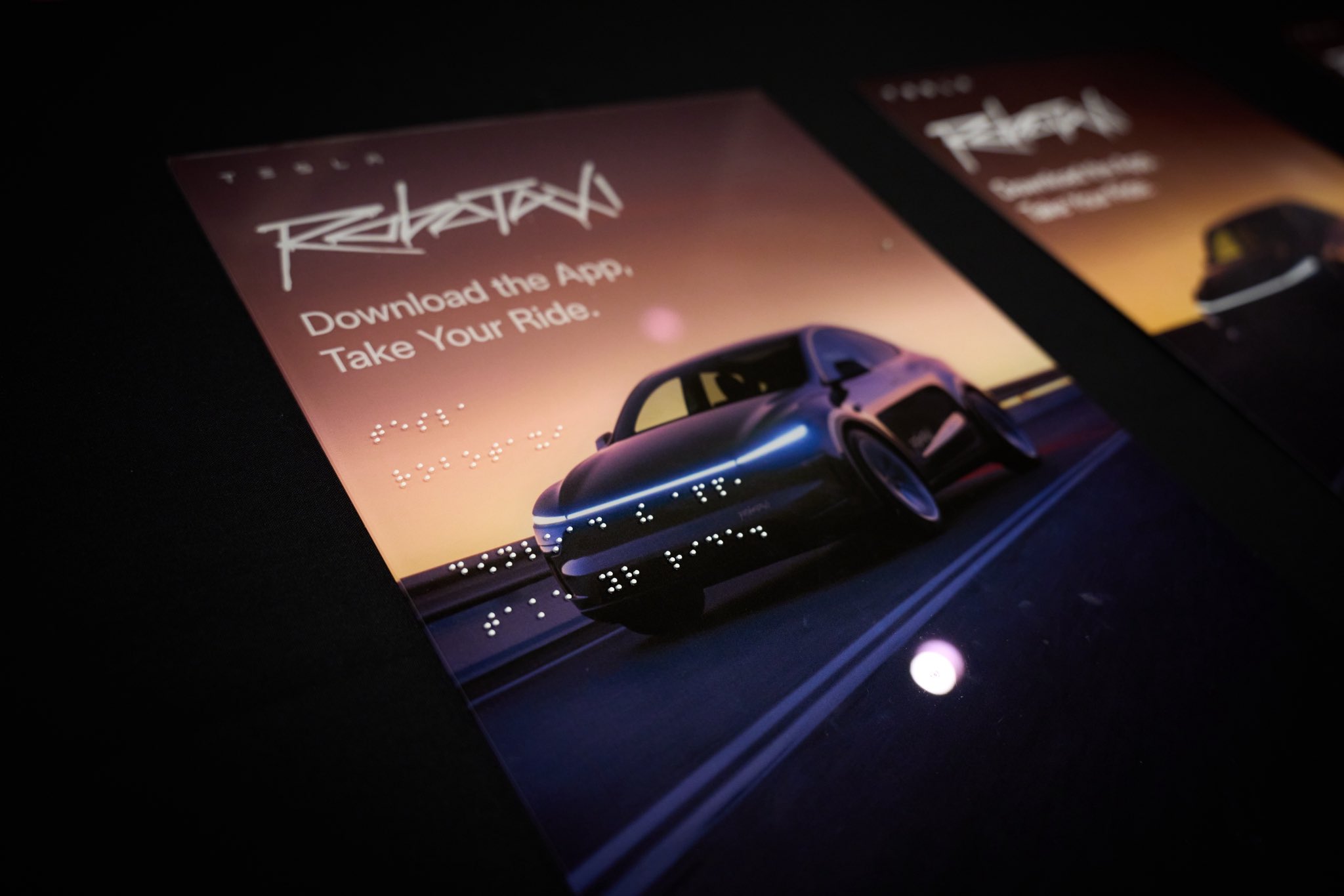
The demonstration emphasized details that matter when sight is not an option. Braille lettering appears on physical controls such as door releases and emergency buttons, letting riders operate the vehicle through touch. The interior leaves generous room for service animals and assistive devices, and wheelchair-height seating makes transfers easier for riders with additional mobility needs.
Tesla's production Cybercab has already moved into public-road testing, and the accessibility features shown at the convention build on the same safety-first design language the company detailed in its recent first-responder guide for the vehicle.
A Market Traditional Transit Overlooks
Roughly 2.2 million Americans are blind or visually impaired, and for many of them spontaneous travel has always meant scheduling paratransit, paying for a sighted driver, or working around limited public transit. A door-to-door autonomous ride hailed from a phone with voice guidance removes those barriers, turning transportation from a dependency into a genuinely on-demand service.
The independence angle is more than symbolic. Reliable, affordable mobility is tightly linked to employment, education, and social participation, and a fleet of low-cost robotaxis could open opportunities that were previously out of reach for riders who cannot operate a conventional car.
Building on a Growing Robotaxi Footprint
The NFB appearance lands as Tesla widens its autonomous rollout beyond its home base. The company recently expanded its robotaxi service into Miami, its first market outside Texas and California, and continues to gather feedback from real riders to refine the experience. Tesla's official robotaxi account detailed the accessibility elements after the event, underscoring how central inclusive design has become to the program, as Teslarati reported.
By putting the Cybercab in front of the blind community and listening to their feedback, Tesla is signaling that accessibility is a first-class design goal rather than an afterthought. As the fleet scales through the rest of 2026, features like Braille controls and service-animal space could set an industry benchmark and, more importantly, give millions of riders a new measure of freedom.