AUSTIN, Texas — Tesla''s driverless ride-hailing service is no longer just a Texas-and-California story. Over the July 4 weekend, the company switched on unsupervised Robotaxi rides in Miami, making Florida the third state to host the network and the first brand-new market of the second half of 2026.
The expansion, confirmed on July 3, plants Tesla''s autonomy flag on the Atlantic coast for the first time and continues a steady march of new cities that began in Austin just over a year ago.
A new coast for autonomy
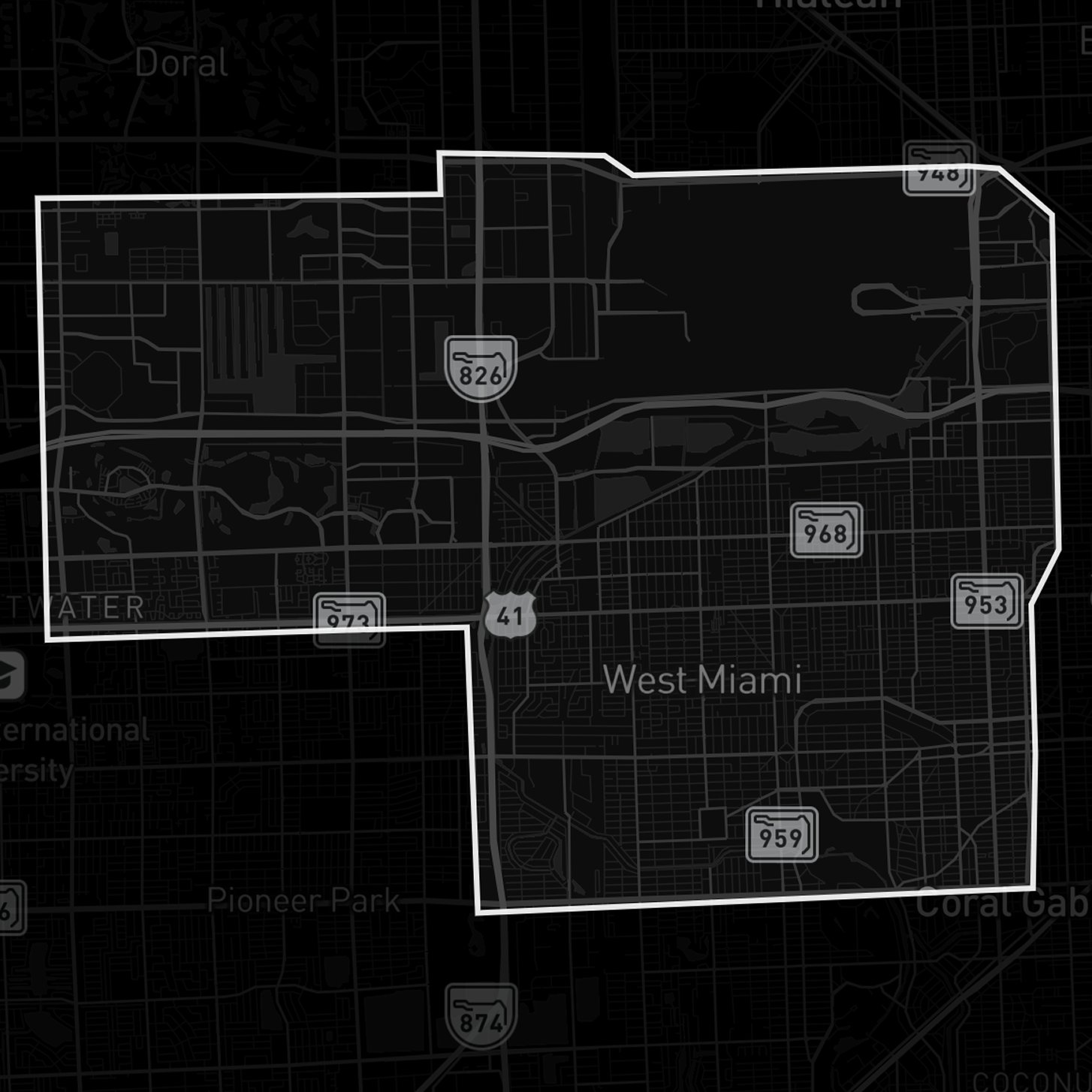
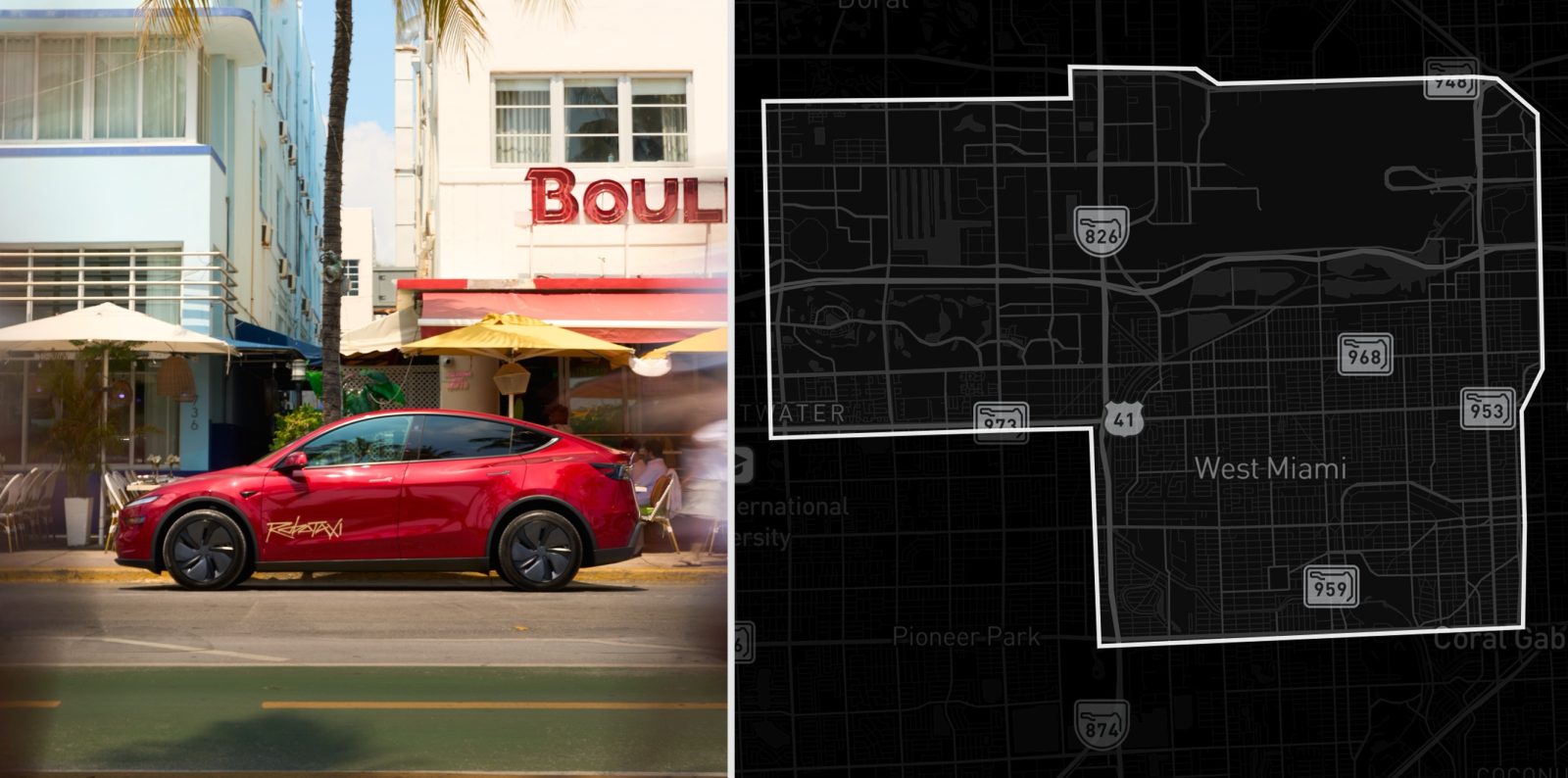
Tesla''s Robotaxi account published a Miami service map covering a geofenced zone in the western part of Miami-Dade County, spanning West Miami, Doral, Sweetwater and a corner of Coral Gables. The fleet is running Model Y vehicles, the same platform Tesla operates in Austin, Dallas, Houston and the San Francisco Bay Area, and the rides are fully unsupervised, with no Tesla employee behind the wheel.
Ashok Elluswamy, Tesla''s head of AI and Autopilot, confirmed the rides are driverless, extending the milestone Tesla first reached in Austin to a fourth metropolitan region. The launch builds on the momentum of a network that now runs a growing driverless fleet across Texas, and it gives Tesla a foothold in one of the busiest tourism and business-travel corridors in the United States.
Why Miami matters
Miami is a deliberate choice. The metro combines dense year-round tourism, a large commuter population and a tech-friendly local government that has openly courted autonomous-vehicle operators. Starting with a tightly drawn service area lets Tesla validate its system in real traffic before widening the map, the same disciplined playbook it used when it filed to expand robotaxi operations in Las Vegas.