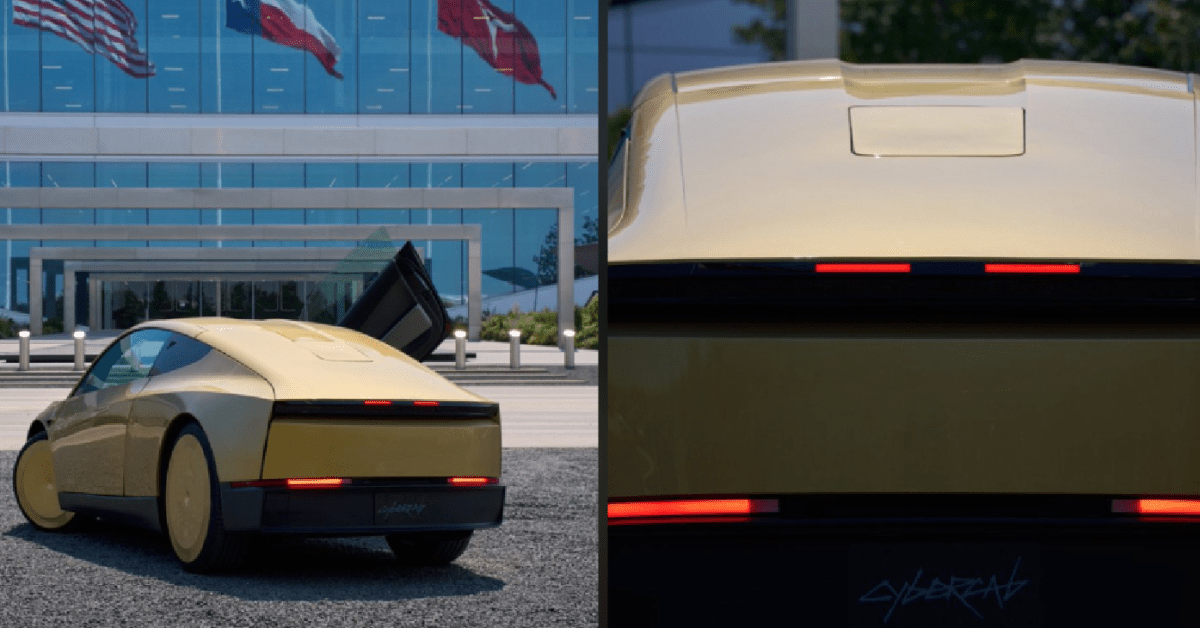
AUSTIN, Texas — Tesla is making sure its purpose-built robotaxi always knows exactly where it is. New details indicate that production units of the Cybercab carry a more powerful dual GPS configuration, giving the driverless vehicle pinpoint location accuracy that standard consumer cars simply cannot match.
When a machine is handling the entire driving task with no human backup and no steering wheel, knowing the road you are on is not enough — the car has to know its precise lane position, down to the meter. That is the gap this hardware is designed to close.
Building Redundancy for Level 4
According to details reported by Not a Tesla App, a reliable source confirmed the Cybercab's dual GPS layout delivers far more accurate positioning than current consumer vehicles. It is not yet clear whether that means a dual-band system locking onto multiple satellite frequencies at once, or two separate physical GPS units working together for redundancy and sharper triangulation. Either way, the result is the same: much tighter location precision.
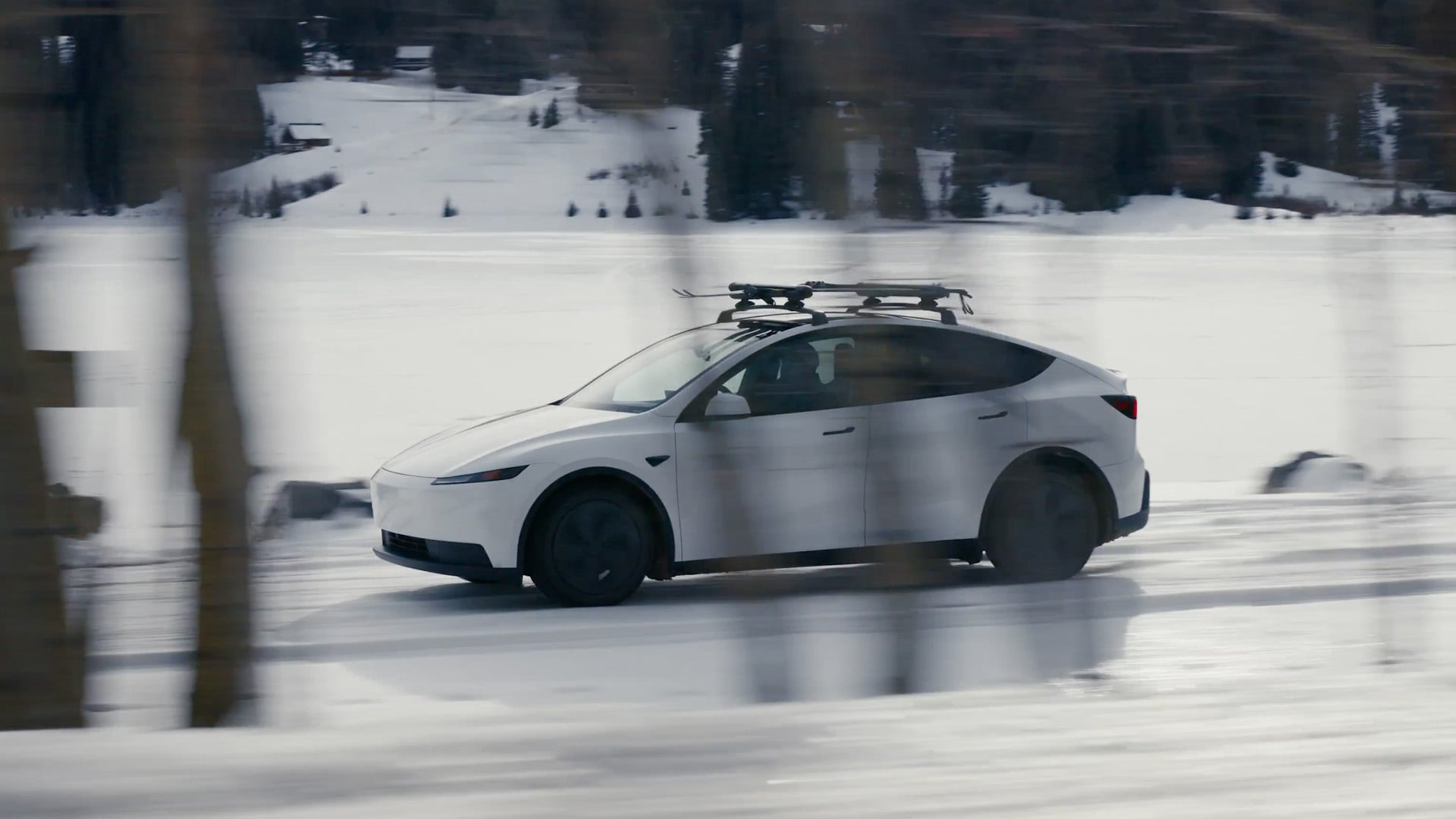
The upgrade fits Tesla's own documentation, which explicitly labels the Cybercab as running an SAE Level 4 autonomous mode. High-precision telemetry becomes non-negotiable when there is no driver to take over, and redundancy is a proven strategy for autonomous fleets. Tesla's existing "Project Halo" Model Y robotaxis already carry extra communications and telematics hardware in the rear for exactly this reason.
Part of a Growing Hardware Edge
The beefier GPS setup joins a lengthening list of custom upgrades tucked into the Cybercab. Tesla is also fitting the platform with an unreleased, next-generation FSD computer that packs more RAM than anything in the current lineup. Validation units have even been spotted testing with a Starlink dish strapped on, hinting at satellite connectivity that Tesla leadership has said could arrive in a more elegant form down the road.
Together, these choices paint a clear picture: the Cybercab is not a retrofitted car but a ground-up autonomous vehicle where every sensor and chip is chosen to eliminate uncertainty. In dense urban canyons or under heavy tree cover, where ordinary GPS signals bounce and drift, that extra precision could be the difference between a smooth ride and a hesitant one.
Closing In on a Public Debut
Tesla is moving toward the Cybercab's public launch at an impressive clip. Mass production began at Gigafactory Texas in April, and just last week the company started testing steering-wheel-less Cybercabs on public streets in Austin — the same city where it has been steadily expanding driverless robotaxi operations and beyond.
With validation teams logging real-world miles and the hardware stack maturing fast, the first public glimpse of these high-precision components in action may be closer than many expect. The dual GPS detail is one more sign that Tesla is engineering the Cybercab to leave nothing to chance.