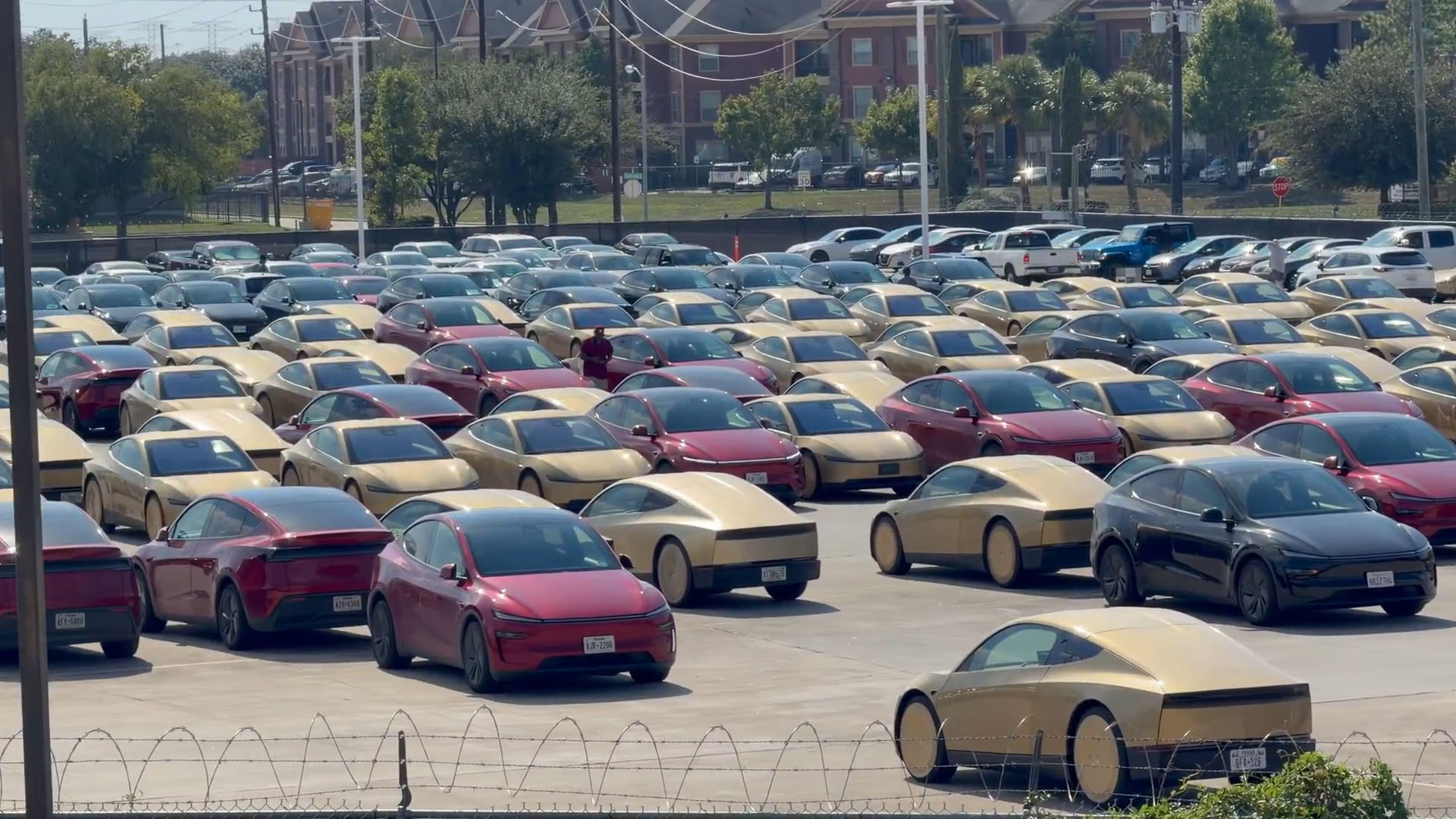
AUSTIN, Texas — Tesla appears to be readying its next robotaxi market. A large number of purpose-built Cybercabs, alongside Model Y robotaxis, have been spotted staged in Houston — the clearest sign yet that Tesla is preparing to expand driverless service into Texas's largest city.
The staged fleet included a mix of test, standard and Starlink-enabled Cybercabs, suggesting Tesla is moving quickly into the testing and validation phase that precedes a public launch. It is the first time this many Cybercabs have been seen in Houston at once.
A Bigger Footprint in Texas
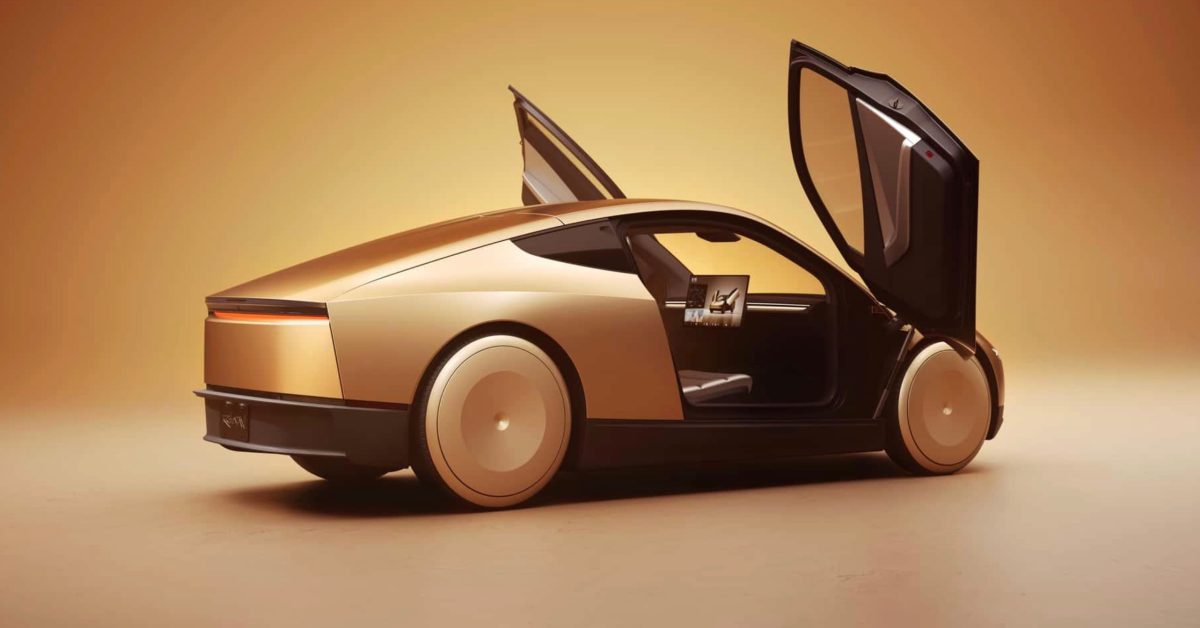
Tesla already operates a paid robotaxi service across Austin, Dallas and Houston in Texas, plus Miami, Orlando and Tampa in Florida, largely using Model Y vehicles. Bringing the two-seat Cybercab — designed from the ground up with no steering wheel or pedals — into Houston would mark a meaningful upgrade to the fleet running in the field.
Texas motor-vehicle records recently listed roughly 420 vehicles in Tesla's state robotaxi operation, most of them Model Ys, with about 45 Cybercabs registered. A fresh wave of Cybercabs arriving in Houston points to that purpose-built count climbing quickly.
Purpose-Built Efficiency
The Cybercab is the most efficient vehicle Tesla has ever built, sipping about 165 watt-hours per mile — cheaper to run than a Model Y and ideal for a company operating its own high-utilization fleet. Every ride lowers cost per mile, and the Starlink-equipped units seen in Houston hint at always-connected cabs that can stay online across the metro.
That connectivity dovetails with Tesla's broader autonomy push, including a move toward around-the-clock service as newer FSD builds roll out. More cars, more hours and more cities is exactly the flywheel Tesla has been describing to investors.
What to Watch Next
Tesla has not formally announced a Houston Cybercab launch date, and reports suggest it could come within the next few weeks or before year-end. Industry watchers, including Electrek, will be tracking how fast the staged vehicles transition into active, paying service.
Houston's sprawling road network and large population make it a natural proving ground for scaling autonomy. If Tesla can stand up Cybercab service there smoothly, it would validate the company's playbook of expanding city by city — and bring the driverless, steering-wheel-free ride Musk has long promised to millions more Texans. For now, the sight of Cybercabs lining up in Houston is a concrete signal that the rollout is accelerating.