Cybercab Now Ships From Giga Texas With Starlink Built In

Drone footage from Gigafactory Texas shows Tesla's two-seat Cybercab leaving the outbound lot with Starlink satellite hardware fitted as standard, marking a shift from one-off retrofit to production-line feature.

3 min read
Cybercab Now Ships From Giga Texas With Starlink Built In

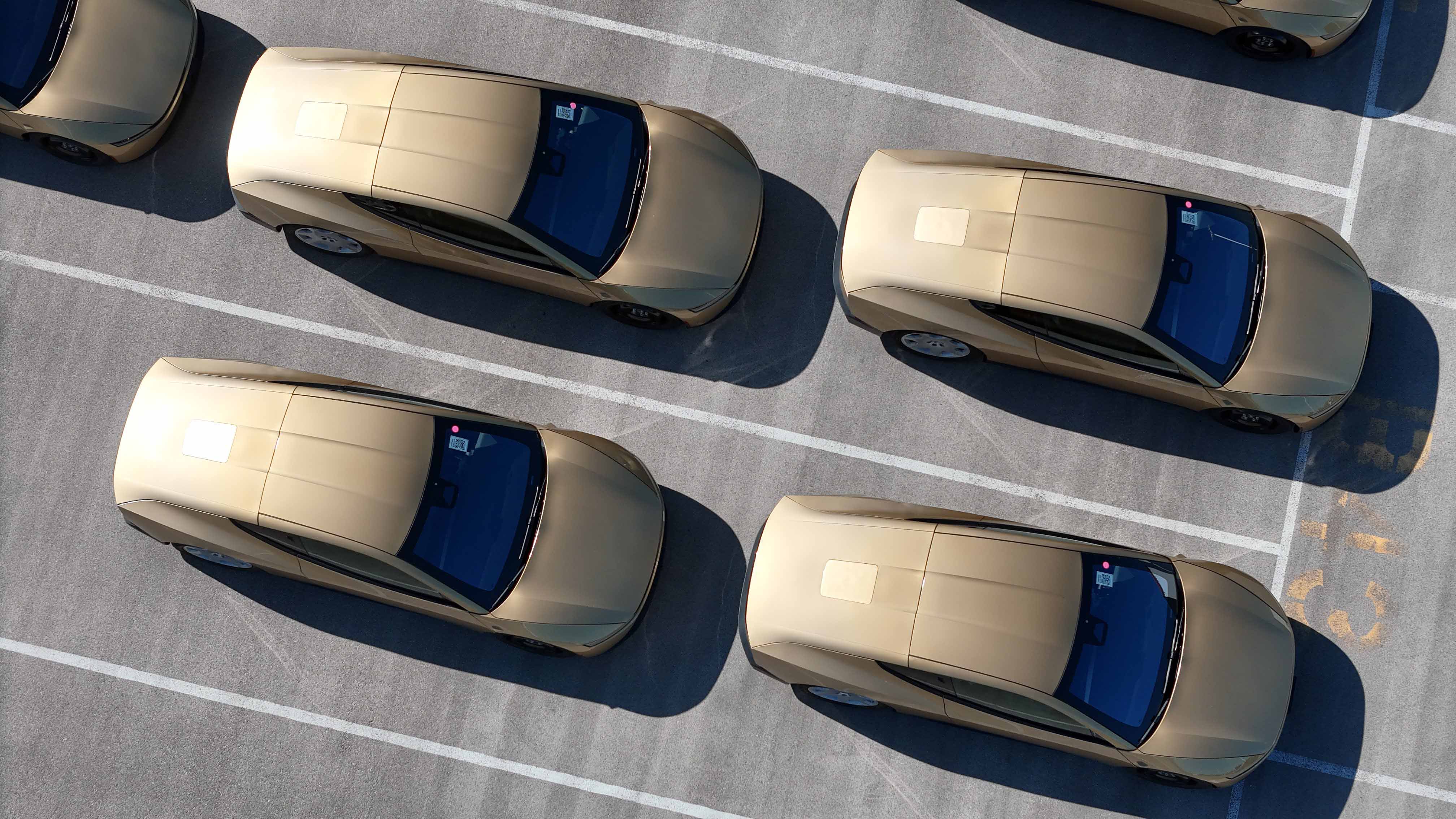
AUSTIN, Texas — Tesla's purpose-built Cybercab is now rolling off the line at Gigafactory Texas with Starlink satellite hardware fitted as standard equipment, a milestone drone photographer Joe Tegtmeyer captured on September 8, 2026, when he flew the plant's outbound lot and found rows of gold Cybercabs carrying the low-profile satellite module on the rear hatch in large numbers for the first time.

The timing is notable. Production ramped back up right after the Labor Day weekend, and the outbound lot showed hundreds of Model Y Long Wheelbase units alongside the Cybercabs, many now wearing the antenna as a factory-installed part rather than an accessory bolted on after the fact. It arrives just days after the Cybercab cleared its latest federal certification review, underscoring how quickly Tesla is moving the two-seater from prototype to volume product.

Factory-Fit, Not a Retrofit

For weeks, Starlink-equipped Cybercabs had appeared one at a time, first with a portable Starlink Mini taped to test cars in May, then with a cleaner integrated dish spotted in Dallas and Houston. The September 8 footage was different: the satellite terminal now appears designed into the hatch, held in place with proper tooling, and shipping at scale. Observers read the change as a manufacturing signal, the feature moving from the conceptual and testing phase into full production with the appropriate dies and fixtures.

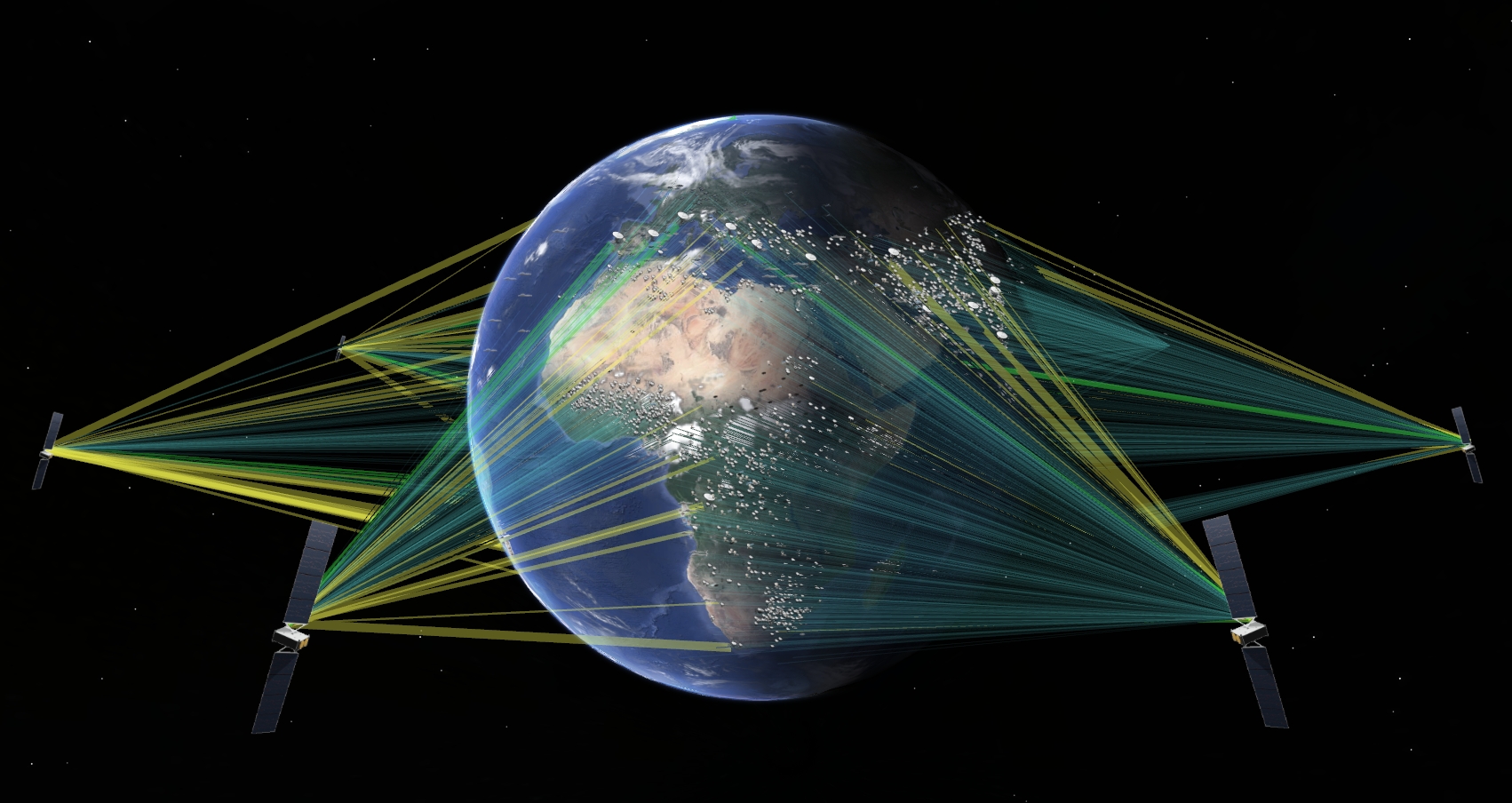
The terminal is Starlink's V5 dish, unveiled by SpaceX in July and rated at 375 Mbps or more, chosen over the smaller portable unit Tesla trialed earlier in the year. Tesla's own launch-day post described the cabin as soon to be equipped with V5 Starlink hardware, and SpaceX said the terminal would be integrated directly into Cybercab.
Cybercab Now Ships From Giga Texas With Starlink Built In — additional image

Why Connectivity Matters for Robotaxi

Elon Musk has framed always-on connectivity as essential to a driverless fleet that never gets stuck. "For a robotaxi situation, you need to have coverage everywhere," he said, pointing to cellular dead zones on his own Silicon Valley commute. Starlink gives the around-the-clock robotaxi service a third data path beyond the cars' existing 5G and LTE modems, so vehicles keep navigation, customer support, and fleet management online even where towers are weak.

Tesla's AI chief Ashok Elluswamy has stressed that the link is not required for safe operation, which relies on the onboard vision stack; connectivity is primarily for navigation, service, and fleet coordination, plus passenger perks like 4K streaming and gaming on the 22-inch cabin screen. Musk has said Starlink will eventually be built into every Tesla in markets where the service is active.

The Road Ahead

Tesla has not disclosed how many Cybercabs now carry the module or whether the terminals are live yet, and the cars that opened public service in Austin ran entertainment over cellular. But standardizing the hardware at the factory is the harder engineering step, and clearing it now positions the fleet to switch on satellite connectivity across its expanding service map. Reporting from Electrek traced the earliest integration, and with production tooling now in place, the next milestone is simply flipping the dishes on. If Tesla does, the Cybercab becomes the first mass-market robotaxi with satellite connectivity baked in.