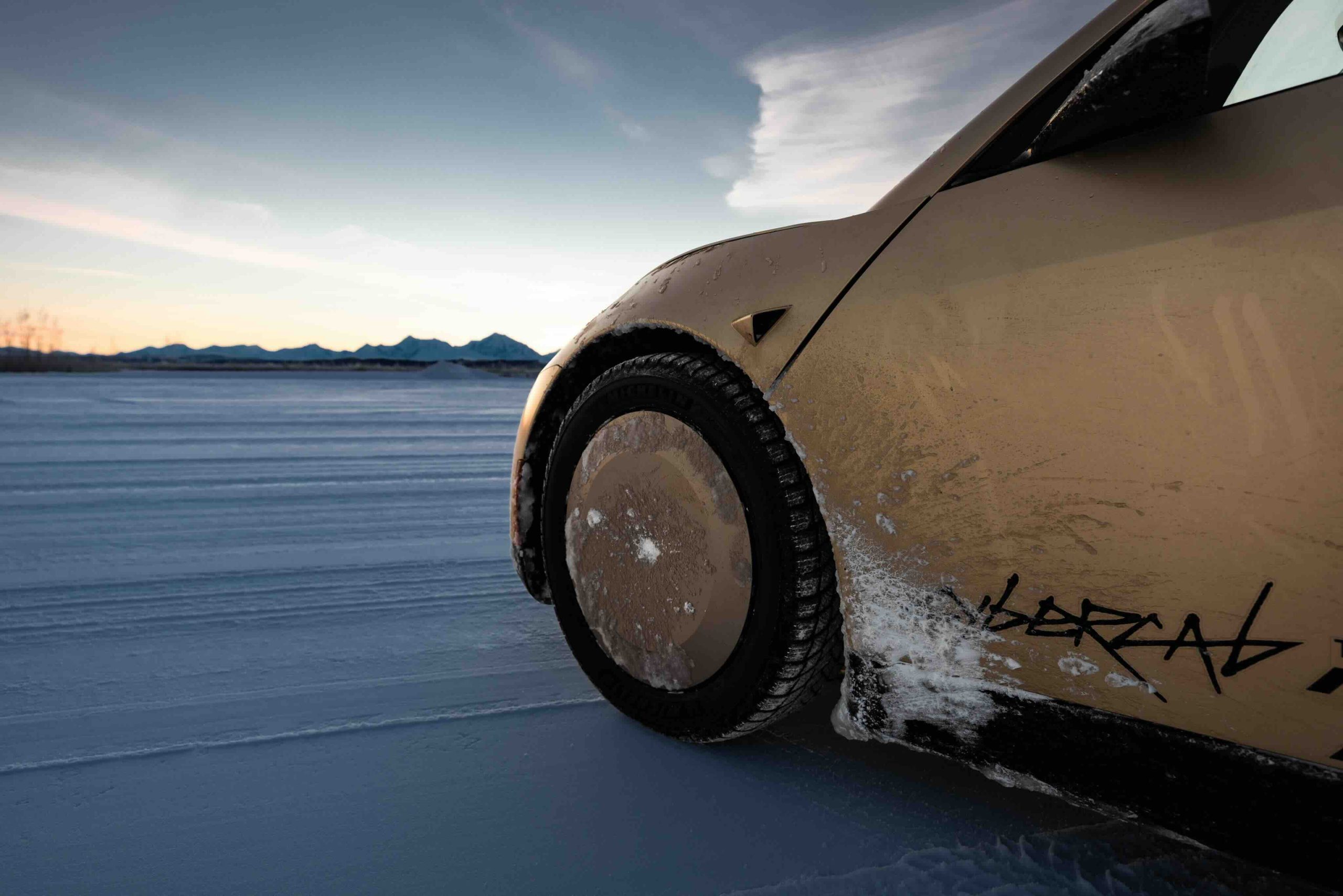
AUSTIN, Texas — Tesla brought its purpose-built Cybercab to real riders this week, holding a launch event in Austin on September 3 and confirming that public rides in the two-seat, steering-wheel-free vehicle would open through its Robotaxi app. It is the moment Tesla watchers have anticipated since the vehicle was first shown in October 2024, and it moves the company from staged demonstrations to a fare-paying service built around a car engineered from the ground up for autonomy.
From Unveiling to the Street
The Cybercab is unlike anything else on the road. It has no steering wheel and no pedals, relying entirely on Tesla's AI4 computer and Full Self-Driving software — the same stack already carrying passengers in the company's Model Y robotaxis. The design leans into accessibility, with butterfly doors, a low seat height meant to work with wheelchairs, extra room for assistive devices, braille on the handles and phone-based door opening.
At launch, selected guests and existing Robotaxi riders took the first Cybercab trips inside Austin's geofenced service area, with public bookings following shortly after. The rollout builds directly on the groundwork Tesla laid when it began scaling driverless operations, an effort we tracked as the company set the September 3 date for the Austin event.
A Mixed Fleet, By Design
Tesla also updated the Robotaxi app so riders can choose their vehicle before booking: the compact two-seat Cybercab or the familiar four-seat Model Y. Most trips carry one or two people, exactly where the Cybercab is meant to be cheaper and more efficient to run, while larger groups can still request a Model Y. Texas records showed 45 Cybercabs on Tesla's authorized roster at launch, alongside roughly 375 Model Y robotaxis — a fleet the company has said is only the beginning of many purpose-built robotaxi vehicle types to come, including the larger Robovan.