Tesla Doubles Its Austin Cybercab Fleet to 125 Robotaxis

Tesla grew its purpose-built Cybercab robotaxi fleet in Austin from 58 to 125 vehicles in a single week as demand for driverless rides outpaced supply.

3 min read
Tesla Doubles Its Austin Cybercab Fleet to 125 Robotaxis

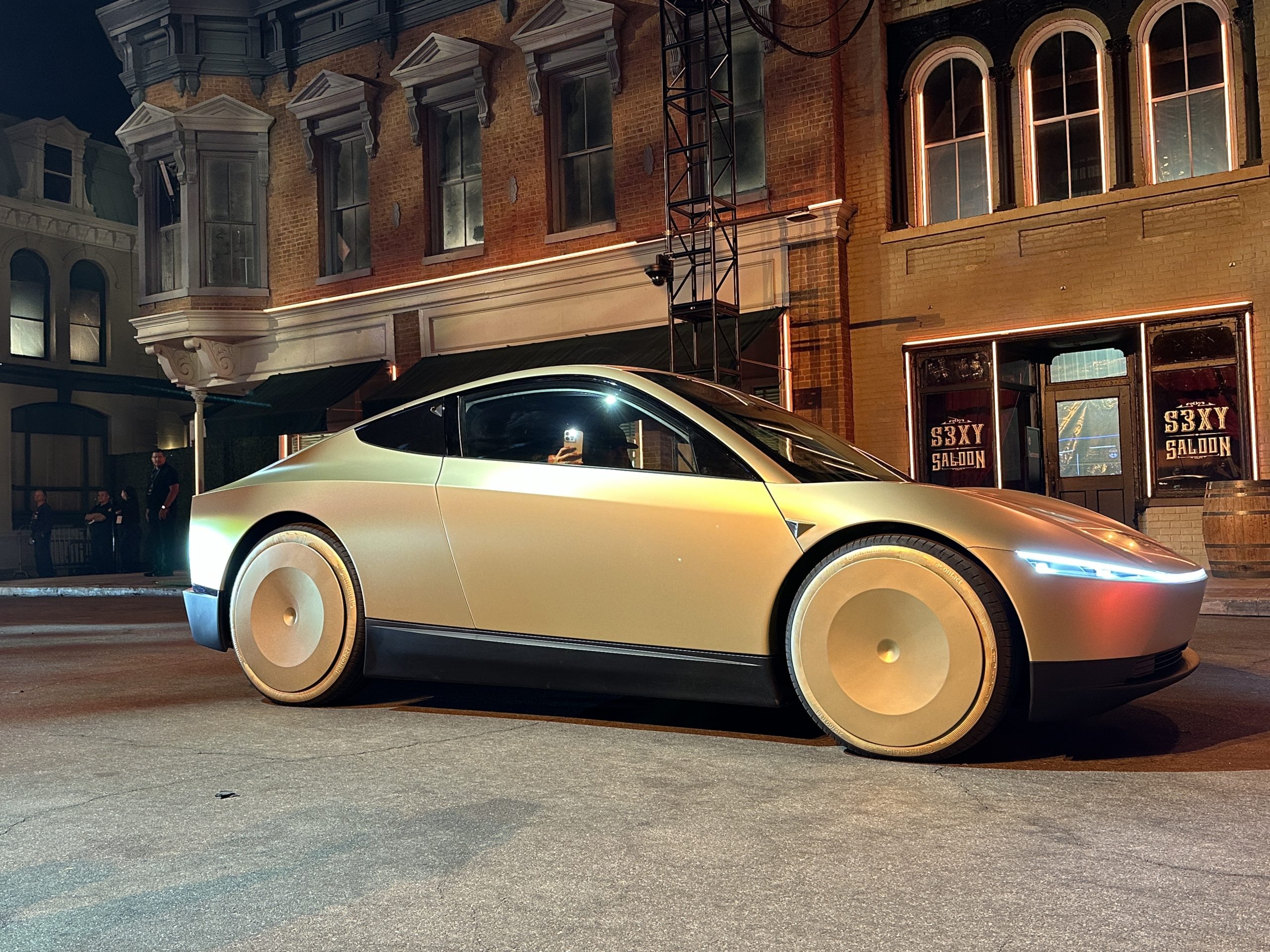
AUSTIN, Texas — Tesla has more than doubled the size of its purpose-built Cybercab robotaxi fleet in Austin, growing from 58 vehicles at the start of last week to 125 by Friday as the company scrambles to meet booming rider demand.

The expansion was confirmed directly to users through a Robotaxi app notification that read, 'Cybercab fleet has doubled: more rides available.' It ranks among the fastest single-week scale-ups since the two-seat, wheel-free car began carrying members of the public in early September, and it points to a service that is filling faster than Tesla can add cars. Riders had reported climbing wait times in the days before the additional vehicles came online, a sign of just how quickly demand for driverless trips is building. Tesla has already signaled that the Austin rollout is only the first chapter of a much larger robotaxi push.

A Fleet Scaling in Real Time

Doubling a fleet in a matter of days is a milestone that speaks to Tesla's manufacturing advantage. Because the Cybercab is built on a dedicated production line rather than converted from an existing Model 3 or Model Y, each additional unit adds capacity that is optimized purely for autonomous ride-hailing. Reaching 125 vehicles so soon after launch suggests the company is comfortable enough with its safety data to widen availability aggressively.

For now, the Cybercab operates only in Austin, the same city where Tesla first switched on its Robotaxi network more than a year ago. That head start has given the company a deep well of real-world driving data, and the expanded fleet should shorten wait times while spreading rides across a larger service area.

Tesla Doubles Its Austin Cybercab Fleet to 125 Robotaxis — additional image

Built From the Ground Up for Full Autonomy

The Cybercab is unlike anything else on Tesla's lot. The two-seater ships with no steering wheel and no pedals, a design choice that only makes sense if the vehicle never needs a human driver. Its minimalist cabin, low running costs and app-summoned convenience are meant to make the economics of a driverless taxi work at scale — and the current demand crunch suggests riders are ready for it.

The Cybercab also doubles as a rolling showcase for the same AI and real-world training pipeline that powers Tesla's rapidly scaling Optimus program, reinforcing the company's pitch that autonomy and robotics are two branches of one technology tree.

The Road Ahead

Tesla has said it intends to bring the Cybercab to additional U.S. cities in the coming months, and a fleet that can double in a week is exactly the kind of flexibility that ambition requires. If the Austin ramp holds, the city is on track to become the proving ground for a nationwide driverless network — one where summoning a purpose-built robotaxi is as routine as hailing a rideshare today. As detailed by Teslarati, the latest expansion is likely just the start of a much steeper climb.

Stay Up to Date on All Things Elon

Get the most interesting Elon Musk stories straight to your inbox, once a day. Short, interesting and relevant!