Tesla Converts Fremont's Model S and X Lines to Build Optimus

Tesla is installing its first dedicated Optimus production line in the Fremont space once used for Model S and X, with initial robots headed for its Optimus Academy.

3 min read
Tesla Converts Fremont's Model S and X Lines to Build Optimus

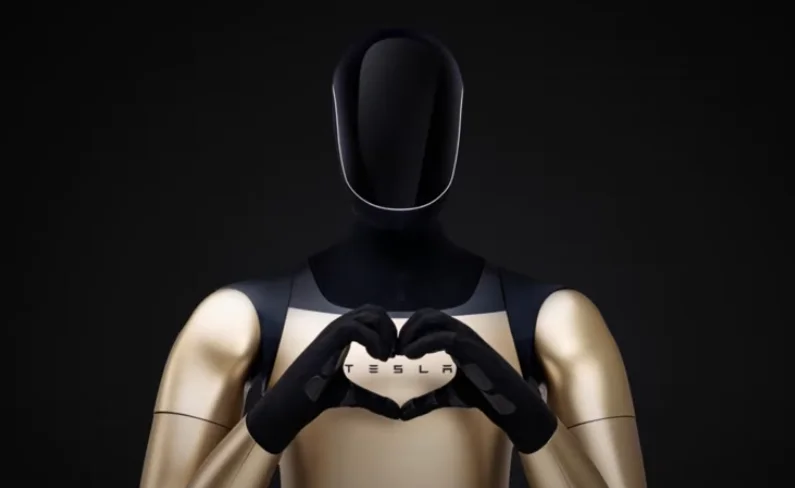
FREMONT, Calif. — Tesla is turning a piece of its history into a bet on the future. The company has decommissioned the manufacturing lines that built the Model S and Model X at its original Fremont factory and is installing the first-generation production line for Optimus, its humanoid robot, in that same space.

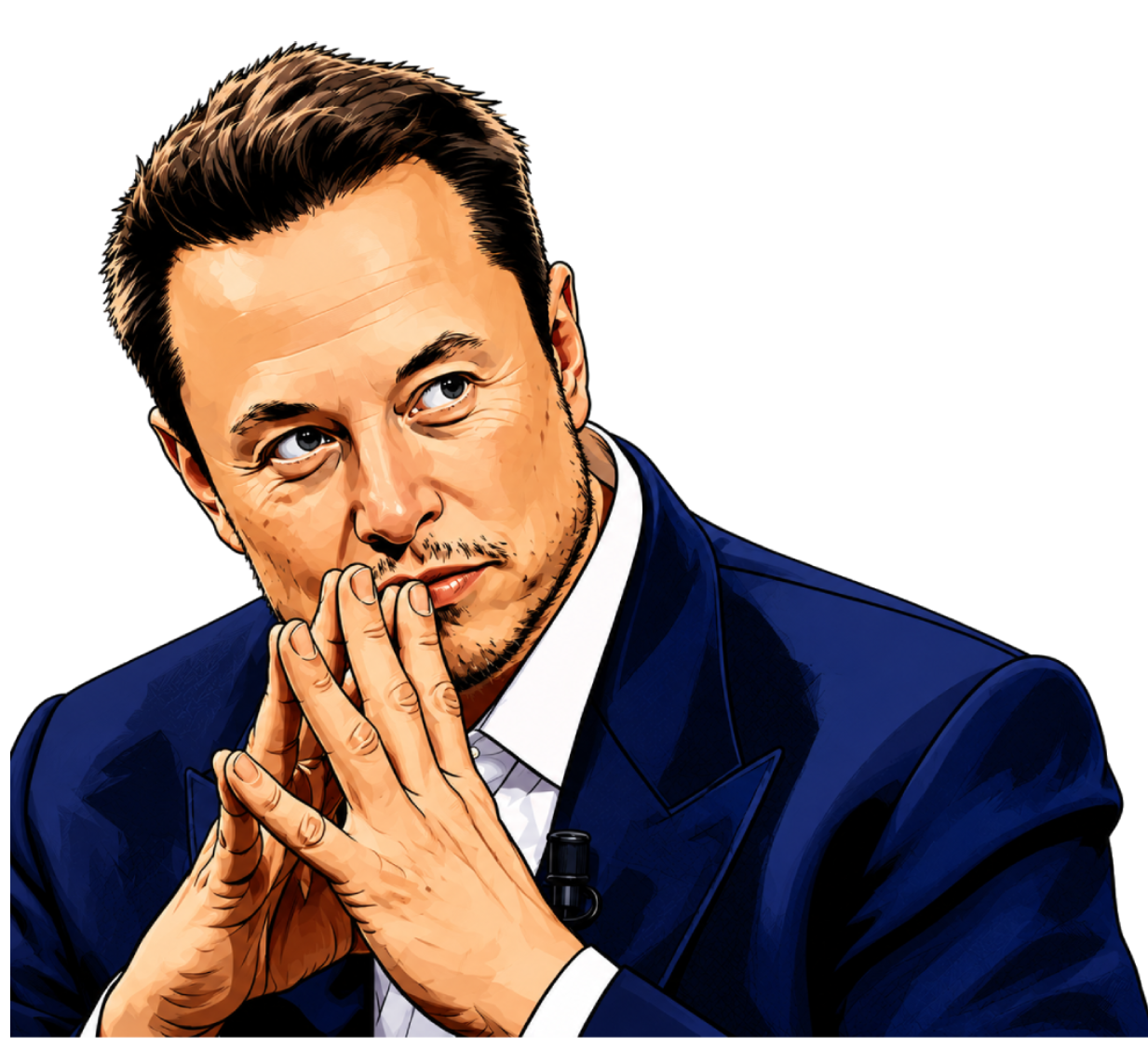
The move, confirmed in Tesla's latest earnings materials and detailed by Elon Musk on the company's earnings call, marks the transition of Optimus from prototype to a product with a real assembly line. Musk called it the most ambitious effort Tesla has ever undertaken — and, potentially, its largest product ever.

A New Line in Familiar Walls

Tesla says the first Optimus units off the Fremont line will feed its Optimus Academy, a training program where large numbers of robots practice tasks and generate the data needed to improve. That connects directly to the company's recently unveiled plan for the Optimus Academy to train robots at scale in Fremont, closing the loop between hardware and the AI that runs it.

Musk was candid that scaling humanoids is uniquely hard. Because nearly every part of the robot is new — with no established supply chain to lean on — he warned the early portion of the production S-curve will be "quite flat and long." That honesty is a feature, not a bug: it sets realistic expectations while Tesla builds an entirely new manufacturing base, with suppliers including Samsung, TSMC, Panasonic and Micron supporting chips, cells and memory.

Tesla Converts Fremont's Model S and X Lines to Build Optimus — additional image

The AI Behind the Machine

What gives Tesla confidence is the software. The company plans to run Optimus on the same end-to-end AI approach that powers Full Self-Driving, converting camera inputs directly into physical actions. "It's the same team that produced FSD," Musk said, pointing to the lineage from v12 through the current v15 software now being adapted for the robot.

That AI ambition is backed by serious compute. Tesla recently doubled its training capacity with the Cortex 2 supercluster, the kind of horsepower needed to teach a robot to generalize across tasks rather than run pre-programmed routines. The goal, executives said, is a machine that can take a spoken instruction or watch a demonstration and simply get the job done.

Building Toward Millions

The Fremont line is only the beginning. Musk sketched a path toward eventual annual output of one million Optimus 3 units, with a more vertically integrated Optimus 4 program planned for Gigafactory Texas targeting as many as 10 million units a year. As AI Insider reported on Musk's Optimus update, the company is deliberately building much of the supply chain in-house to control that ramp.

Reusing the Model S and X space is fitting. Those flagships proved Tesla could build world-class vehicles at scale; now their old home will help prove the company can do the same for robots. If Optimus follows even a fraction of that trajectory, Fremont will have launched two revolutions from the same floor.