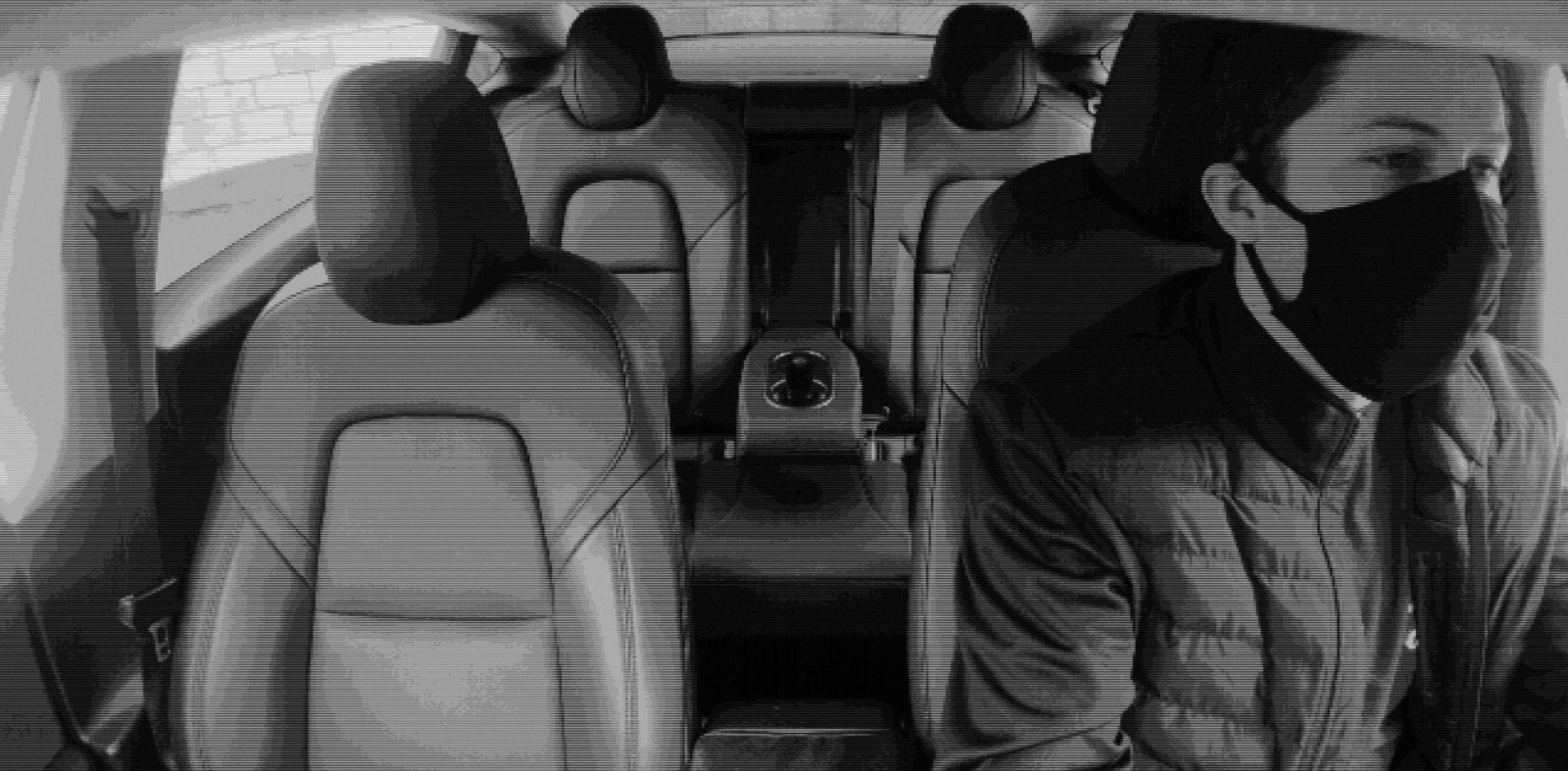

AUSTIN, Texas — Tesla appears to be building a new layer of access control for Full Self-Driving, one that would use the in-car cabin camera to confirm who is behind the wheel before the system will turn on. Code uncovered in the company's latest iOS app update describes a driver-identity check that blocks FSD and surfaces a failure message when the face in the seat does not match an authorized profile.
The findings come from a decompile of Tesla app version 4.58.5, built June 27, surfaced by an account that tracks new releases of the Tesla and Robotaxi apps. Two strings stand out: fsdIdentityCheckFailedTitle and showFsdIdentityCheckFailedDialog. Together they sketch a flow in which the cabin camera performs an identity check and, on a mismatch, refuses to engage FSD and throws an error dialog to the phone.
From Attention Monitoring To Identity Gate
This would not come out of nowhere. Tesla first activated cabin-camera driver monitoring in 2021 and has steadily expanded what the camera watches for, from drowsiness to eye and head position. Since FSD v12.4 in 2024, the camera above the rearview mirror has been the primary attention monitor, tracking a driver's face and eyes rather than leaning on steering-wheel torque. That same hardware now underpins a growing share of Tesla's autonomy stack, which recently passed 10 million vehicles in its self-driving fleet.
An identity check is a different job than an attention check. Attention monitoring asks whether the driver is watching the road. Identity verification asks whether this specific person is allowed to switch the system on at all, a permission gate rather than a safety nag. As Electrek noted in its report on the app code, that distinction is what makes the feature notable.