Tesla Files for 5,000-Robotaxi Network in Las Vegas

Tesla has filed for a Nevada permit to operate up to 5,000 robotaxis in the Las Vegas area, signaling the next big leap for its autonomous ride-hailing network beyond Texas.

3 min read
Tesla Files for 5,000-Robotaxi Network in Las Vegas

AUSTIN, Texas — Tesla is taking its driverless ride-hailing ambitions to one of the most-visited cities in America. The company has filed for an Autonomous Vehicle Network Company permit in Nevada, seeking approval to operate up to 5,000 robotaxis across Clark County — including high-traffic hubs like the Las Vegas and Henderson airports — within the first 12 months of launch.

A Strategic Bet on Sin City

The filing, submitted through Tesla Robotaxi, LLC under Docket 26-05015, builds on testing approvals Tesla secured from the Nevada DMV in 2025 and on maintenance hubs the company has been preparing in the Las Vegas area. Nevada is a shrewd target: a flood of tourists from around the world would generate high vehicle utilization and expose millions of first-time riders to Tesla's autonomy, as detailed in Teslarati's report on the filing.

Approval would mark Tesla's first commercial robotaxi operation in a new state, following its progress in Texas, where the service has expanded across the Austin metro and into Dallas and Houston.

The Sun Belt Expansion Plan

Las Vegas is just one piece of a broader rollout. Tesla's shareholder materials have named Phoenix, Miami, Orlando, and Tampa alongside Las Vegas as priority markets, with Dallas and Houston already advancing. The company has said it aims to make the service available to roughly half of the U.S. population, and paid robotaxi miles nearly doubled sequentially in the first quarter as the network scaled.
Tesla Files for 5,000-Robotaxi Network in Las Vegas — additional image

The push leans on momentum from Tesla's Texas operations, where the driverless fleet recently climbed past 80 vehicles across the state with no reported accidents or injuries in the unsupervised program. That safety record is central to Tesla's case as it seeks approvals state by state.

Cybercab Waiting in the Wings

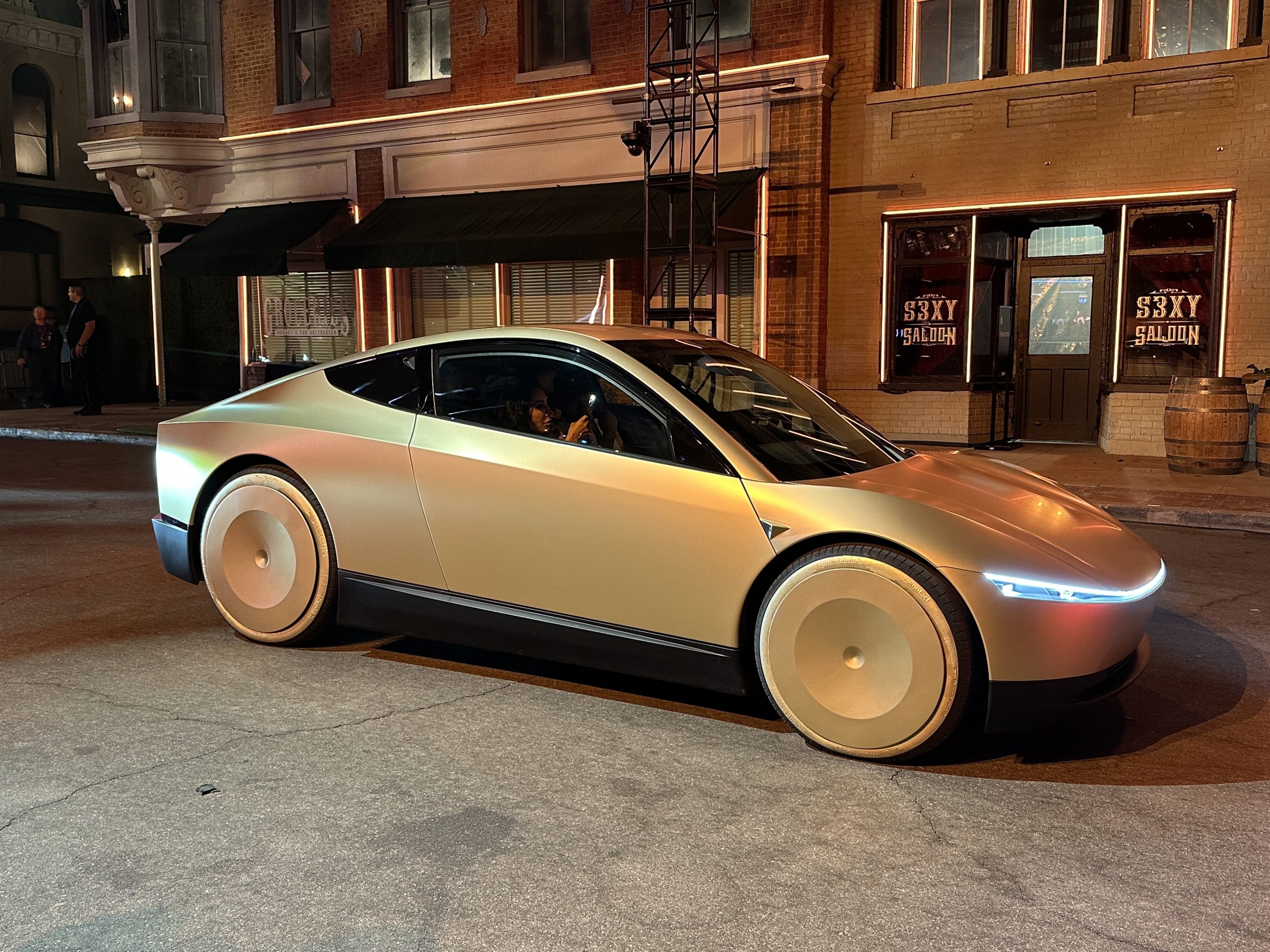
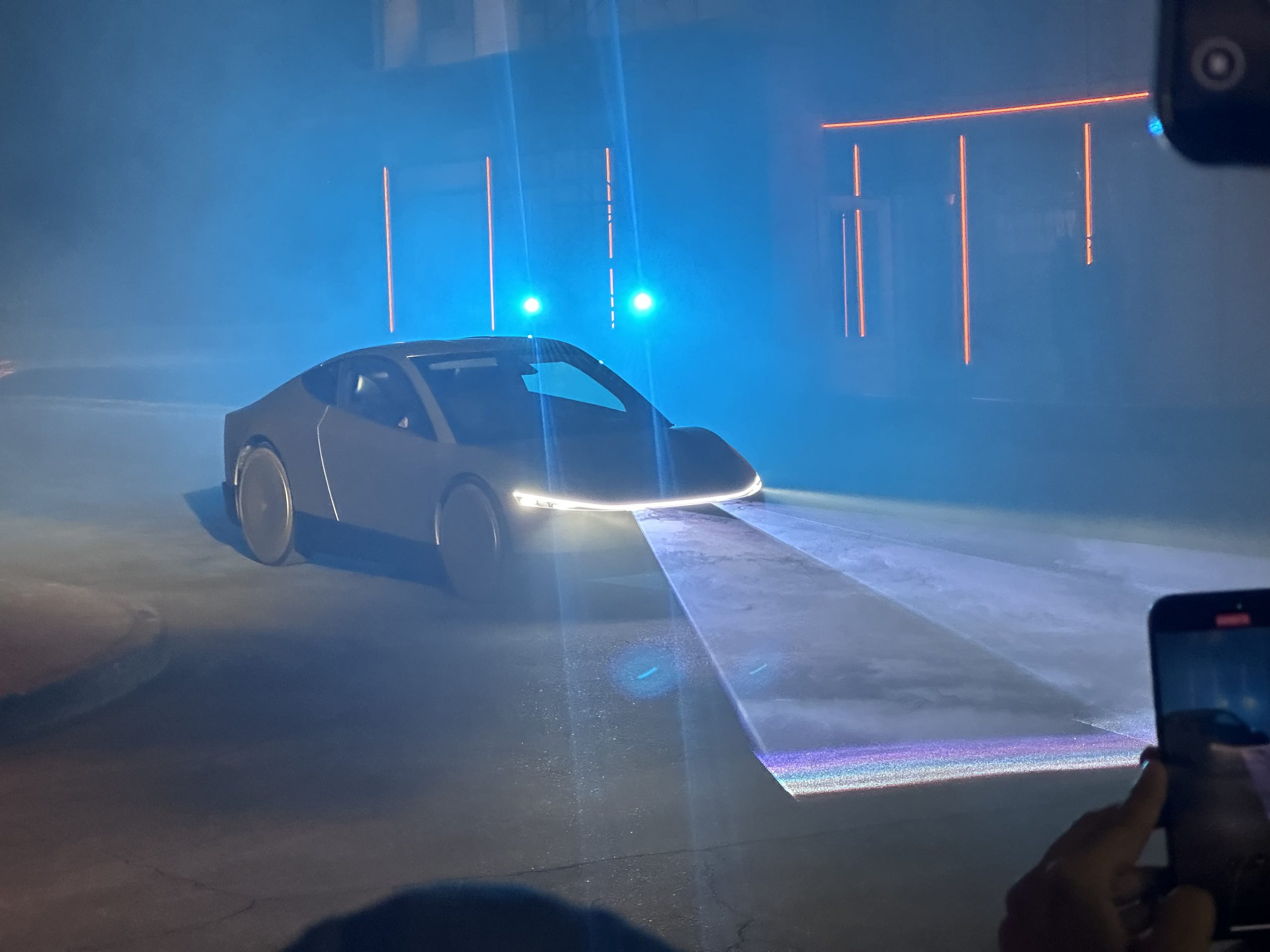
While today's fleet relies heavily on Full Self-Driving Model Y vehicles, the purpose-built Cybercab is expected to eventually dominate. The two-seat, steering-wheel-free vehicle entered mass production at Giga Texas earlier this year, where units have been stacking up on the outbound lot as Tesla ramps output. Designed for a production cost near 30,000 dollars and operating costs as low as 20 to 40 cents per mile, the Cybercab is built to drive down the price of an autonomous ride.

Nevada's tourist-heavy economy makes it an ideal proving ground for that economic model. Success on the Strip could validate Tesla's approach for dense, high-demand environments and accelerate the shift toward a future where robotaxis generate meaningful, recurring revenue. With the permit filed and the Cybercab ramping, Tesla's autonomy story is moving from a single-city pilot toward a genuine national network.