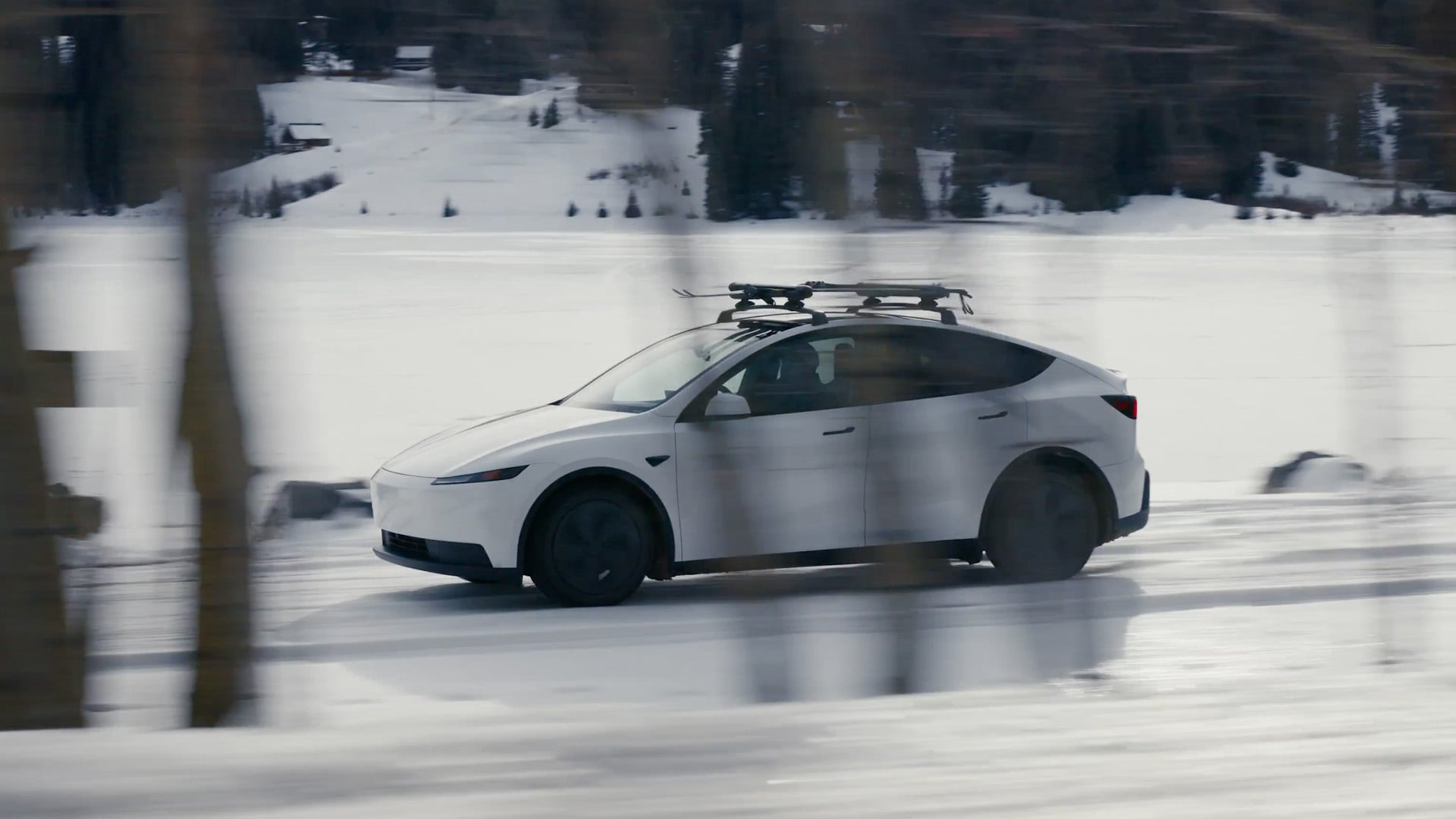
AUSTIN, Texas — Tesla used its Q2 earnings update to spell out just how far its autonomous ride-hailing push has spread: the robotaxi network now operates across seven major metro areas, and the purpose-built Cybercab is inching closer to carrying paying passengers.
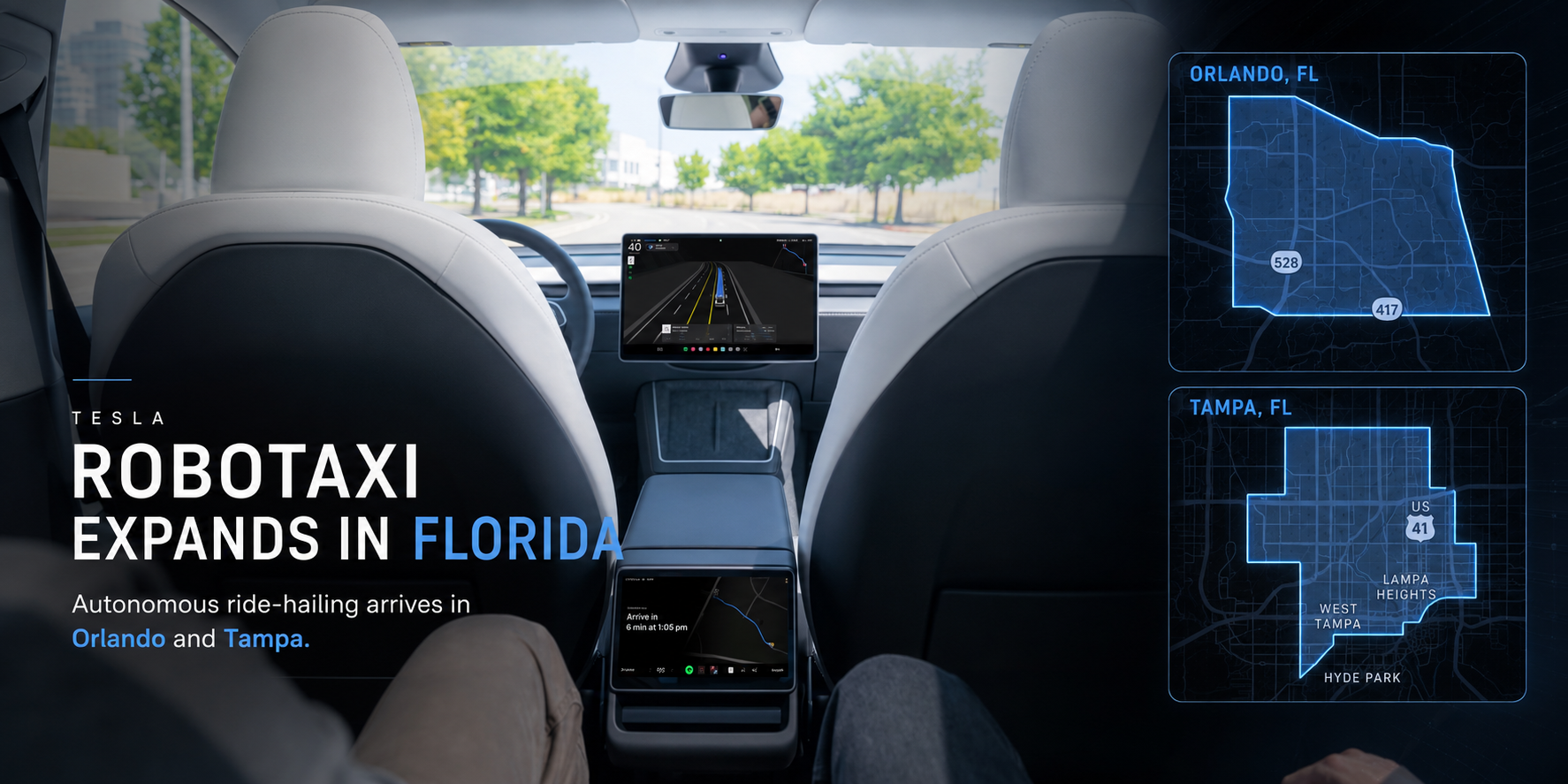
The footprint now covers Austin, Dallas, Houston, Miami, the San Francisco Bay Area, and — as of this month — Orlando and Tampa. In the Florida cities, Tesla confirmed the rides are running unsupervised, with no safety driver in the cabin.
A rapidly widening map
The seven-metro milestone caps a stretch of near-constant expansion. Tesla launched robotaxi in Austin in mid-2025 and has been steadily widening both its geofences and its city count since. The latest additions came just before earnings, when the company switched on service in Tampa and Orlando, giving it three Florida markets in a matter of weeks.
Each new city runs the same Full Self-Driving software stack that Tesla is refining across its consumer fleet, so improvements roll out network-wide rather than city by city. That shared foundation is central to Tesla's pitch that scaling autonomy is ultimately a software problem, not a hardware one.
Cybercab moves toward customers
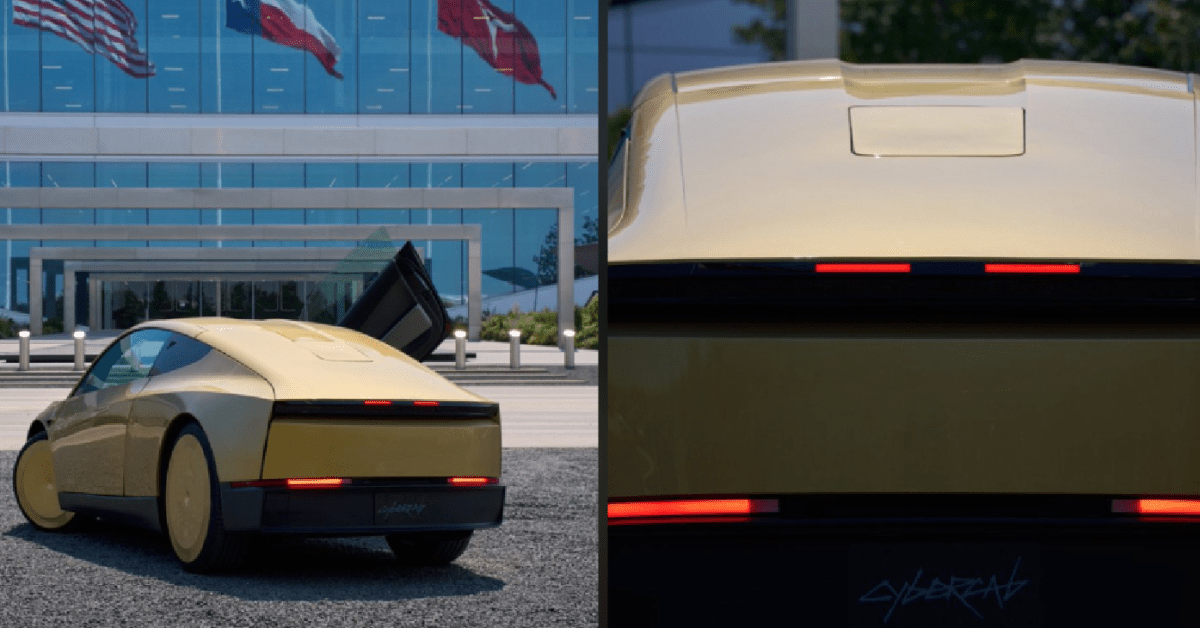
The bigger prize is the Cybercab, the steering-wheel-free, two-seat vehicle Tesla designed specifically for the robotaxi era. The company is producing it at Gigafactory Texas and has begun the validation steps that precede public rides, including on-road testing of the pedal-and-wheel-free design. Tesla also confirmed the Cybercab would be the first vehicle to ship with built-in Starlink connectivity for fleet management.
Today, most robotaxi rides still use Model Y vehicles, but the Cybercab is built to drop the cost per mile dramatically once it enters the fleet at volume. Teslarati reported the latest robotaxi expansion details as the company continues to add both cities and vehicles.
Building toward scale
The near-term bottleneck, Tesla acknowledged, is fleet size rather than geography — the company is racing to add more robotaxi-enabled cars to keep pace with its widening service areas. Cybercab production is the answer management keeps returning to.
With seven metros live, unsupervised rides proving out in Florida and a dedicated vehicle rolling toward customer service, Tesla's robotaxi program is no longer a single-city experiment. It is a network taking shape in real time, and the next phase — Cybercabs carrying paying riders — is drawing closer with each quarter.