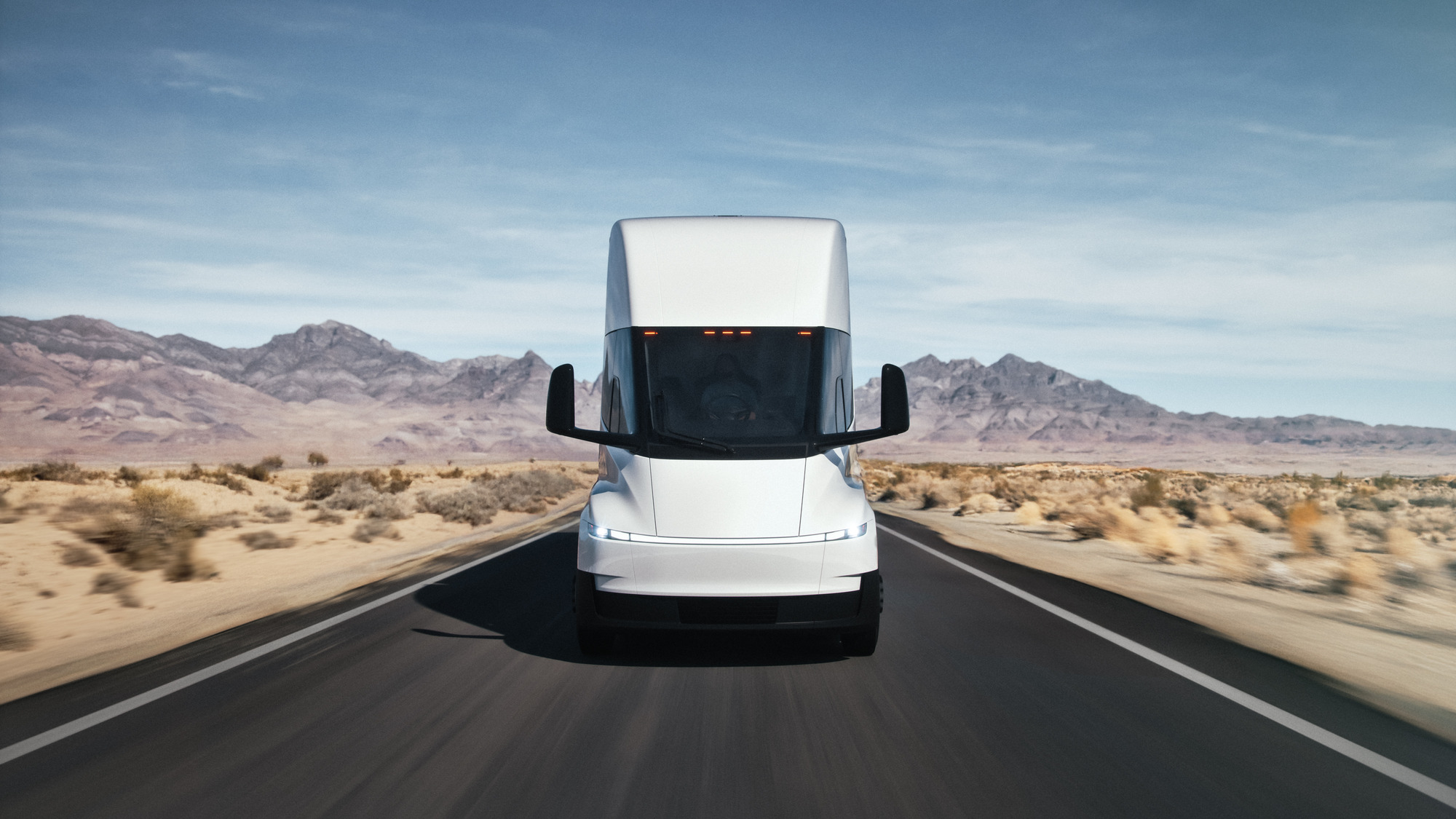
AUSTIN, Texas — The Tesla Semi finally has a self-driving timeline. Asked on the company's Q2 earnings call when autonomy would come to the Class 8 electric truck, Elon Musk said it should start working "around the end of this year or early next year" — the first concrete date Tesla has attached to an autonomous Semi.
Priority, not capability
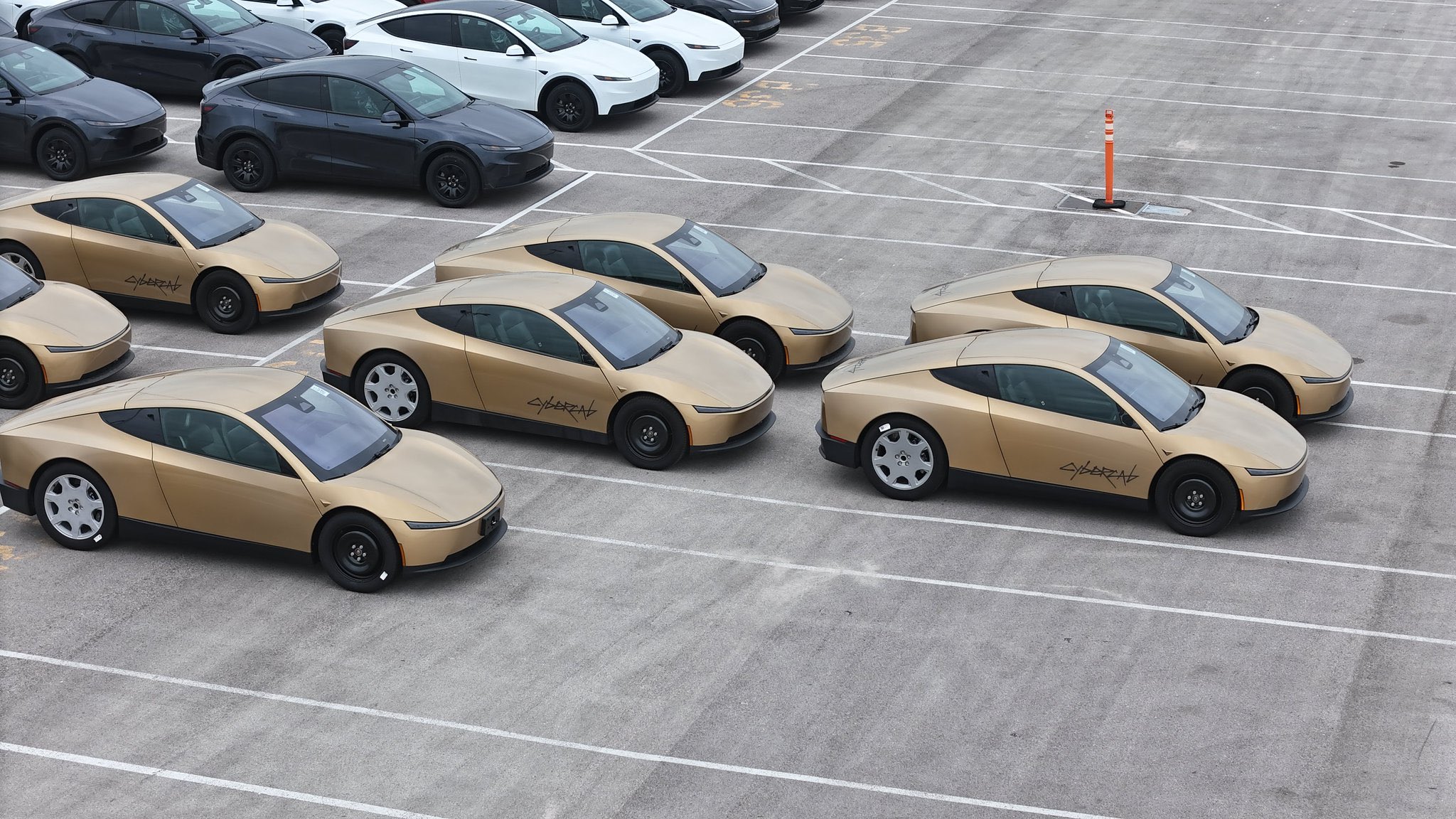
Musk framed the wait as a matter of focus. Tesla's autonomy team is concentrated on the Model 3, Model Y and Cybercab — the vehicles that make up the overwhelming majority of the fleet — pursuing what he called "the march of nines of safety." Semi autonomy is "taking a bit of a backseat for the next six months or so," he said, but "will definitely be working next year and in time for the scale-up to high production of the Tesla Semi."
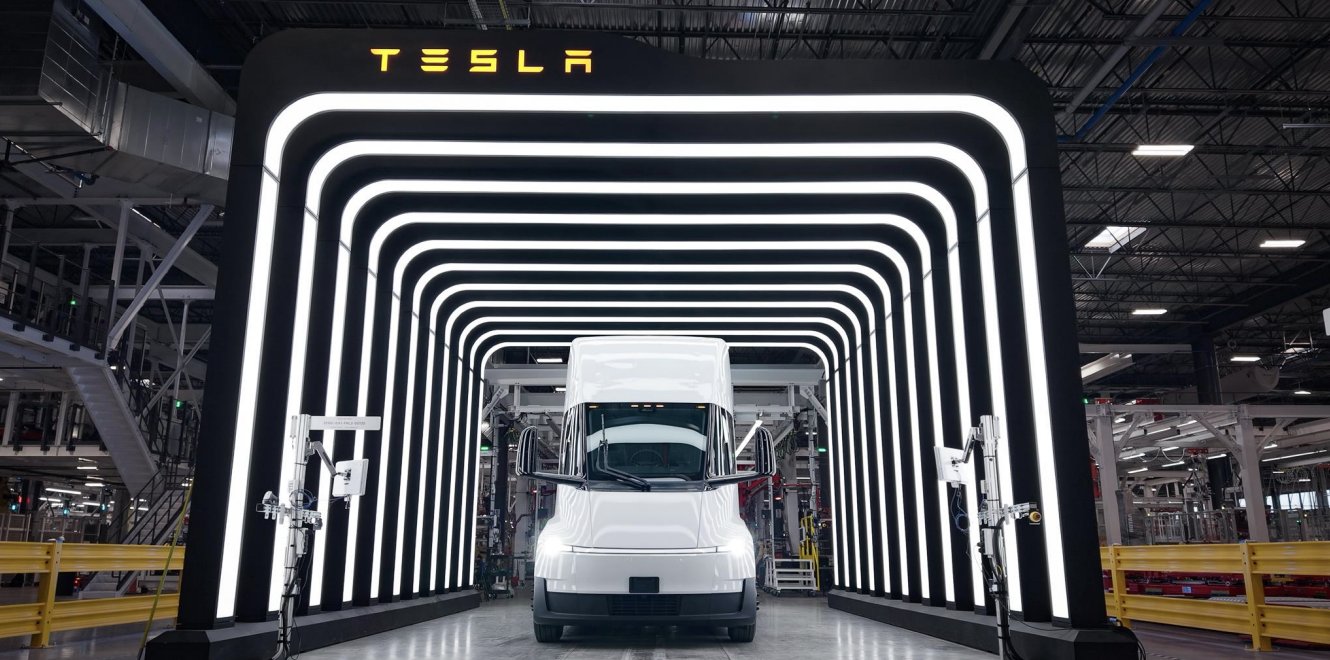
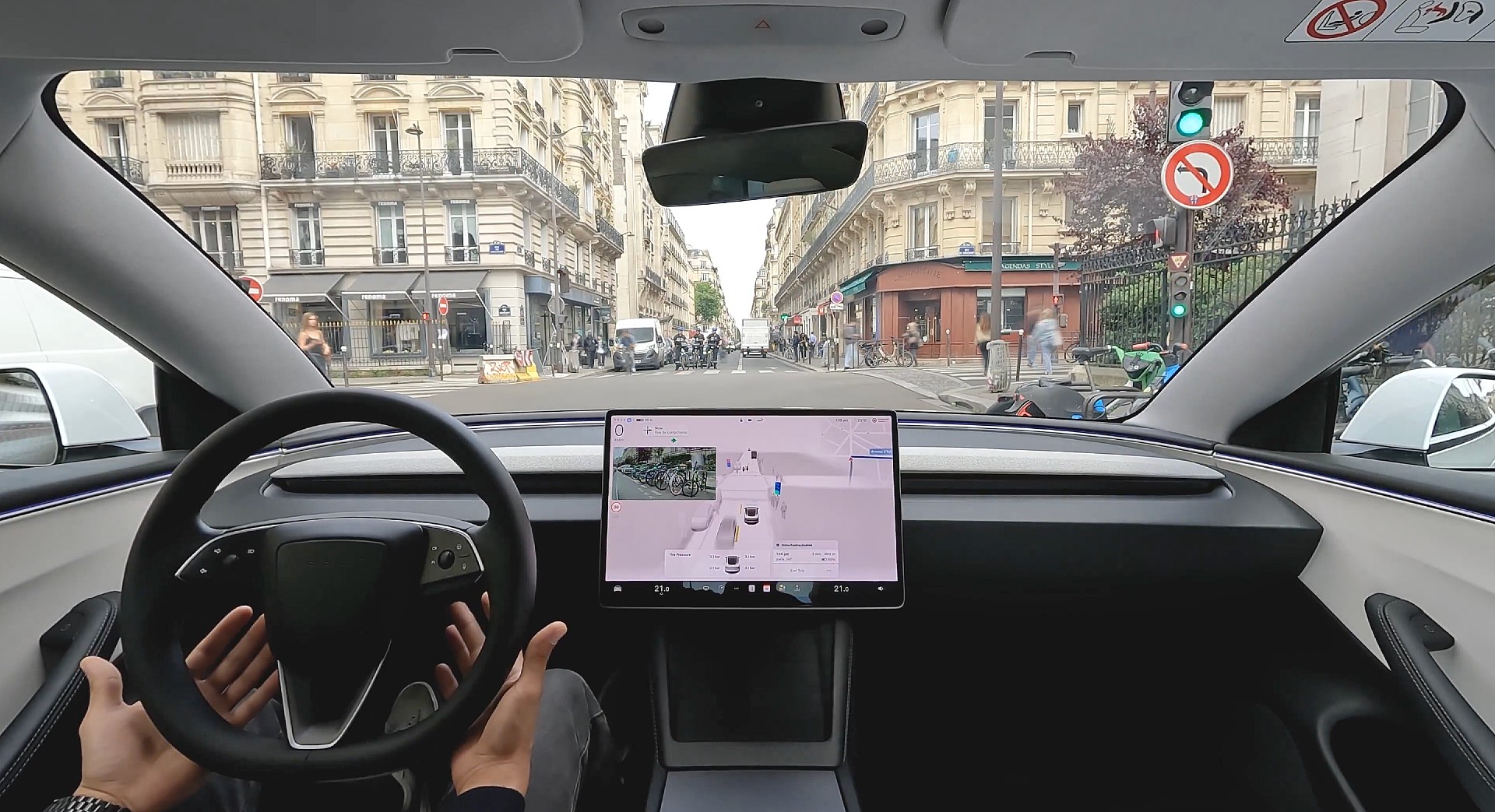
The hardware is already in place. The production Semi carries ten AI4-based cameras built directly into its exterior, and validation rigs — the rooftop sensor arrays Tesla mounts ahead of FSD milestones — have been spotted on Semis in Sunnyvale and near Fremont in recent weeks. The trucks were designed to drive themselves from day one; the software just needs to catch up, mirroring the path that produced a flawless robotaxi safety record across seven metros.
The factory is ready too
The timeline lands as the Semi program hits its industrial stride. Building construction at the dedicated Nevada factory is complete, with commissioning now underway and volume production slated to begin by the end of 2026. Musk pointed to 4680 battery cell output — now above a 40 GWh annual run-rate in Texas — as the near-term constraint shared with Cybercab, the same ramp powering Tesla's record run past $100 billion in annual revenue.