Tesla's Summer Update Teaches Your Car Your Routine

Beyond the new Grok tricks, Tesla's 2026 Summer Update quietly rebuilds navigation around your habits and shifts a batch of controls to the phone app.

3 min read
Tesla's Summer Update Teaches Your Car Your Routine

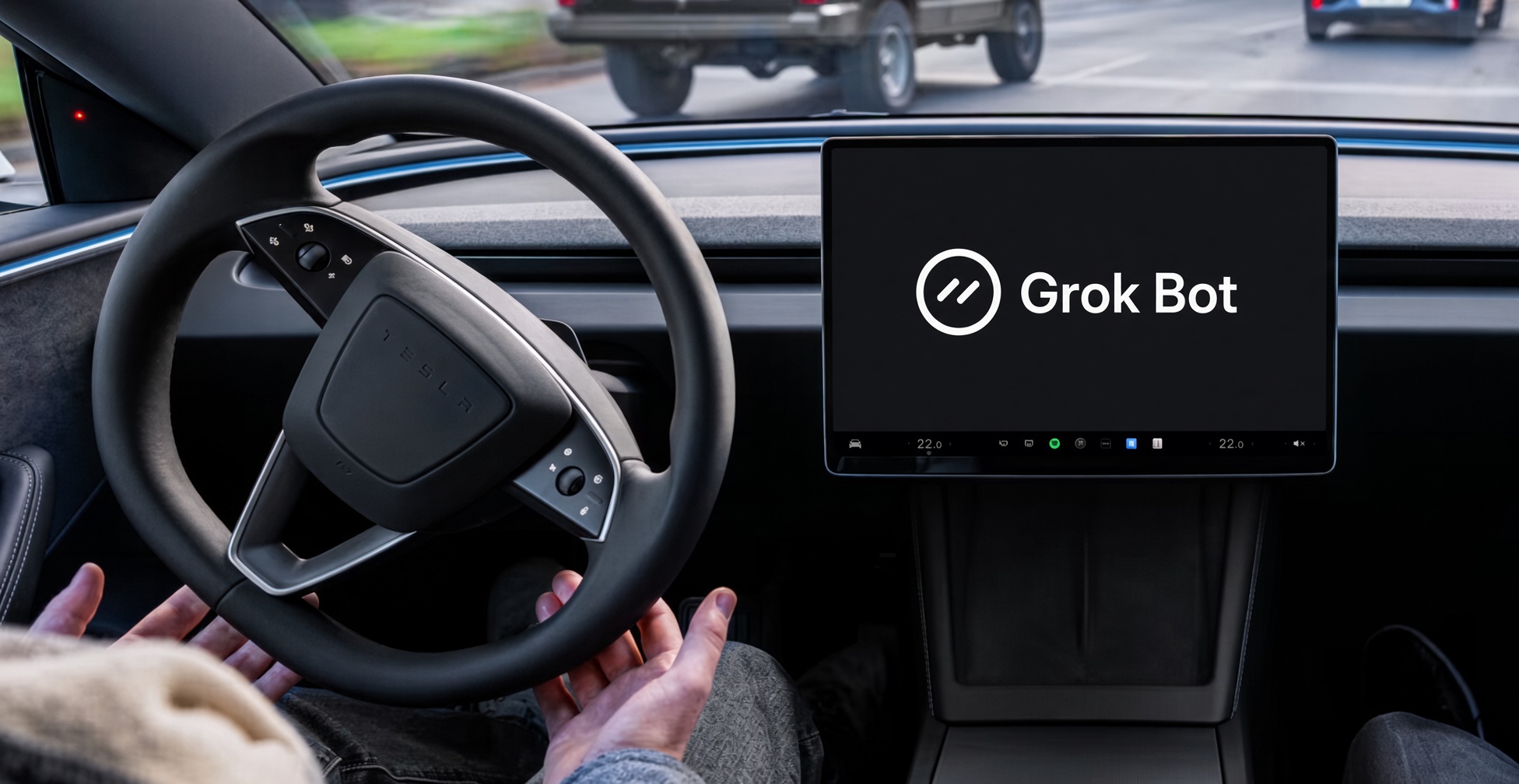
AUSTIN, Texas — The flashiest part of Tesla's 2026 Summer Update is Grok learning to run the car, but the change owners may notice most on a daily commute is quieter: the car is starting to learn their routine.

Rolling out now, the update reworks Tesla's Automatic Navigation so the vehicle predicts where a driver is headed based on the patterns of everyday life, and moves a cluster of previously in-car settings to the mobile app. The full release notes, published by Tesla and detailed by Electrek, read like a software company sanding down friction across the whole ownership experience.

Navigation That Anticipates You

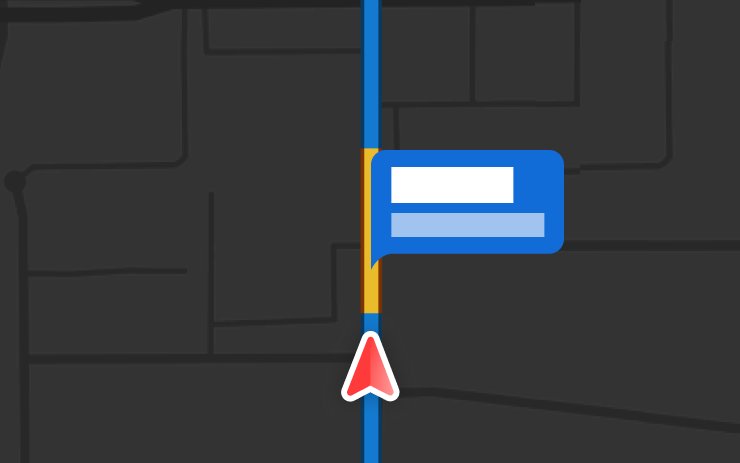
Until now, Tesla's navigation could suggest destinations from Home, Work and upcoming calendar events. The Summer Update expands that prediction model to the recurring stops a car observes over time — a school drop-off on the way to the office, or the gym on the way home — and can offer a route before the driver types anything.

A companion feature, Preferred Routes, leans the system toward roads a driver actually uses when more than one path exists, instead of defaulting to the algorithm's fastest line. Together they nudge the in-car experience toward something closer to a chauffeur who already knows your habits — a natural extension of Tesla's broader push to make the car understand its owner, as seen in its plan to have FSD learn each driver's preferences.
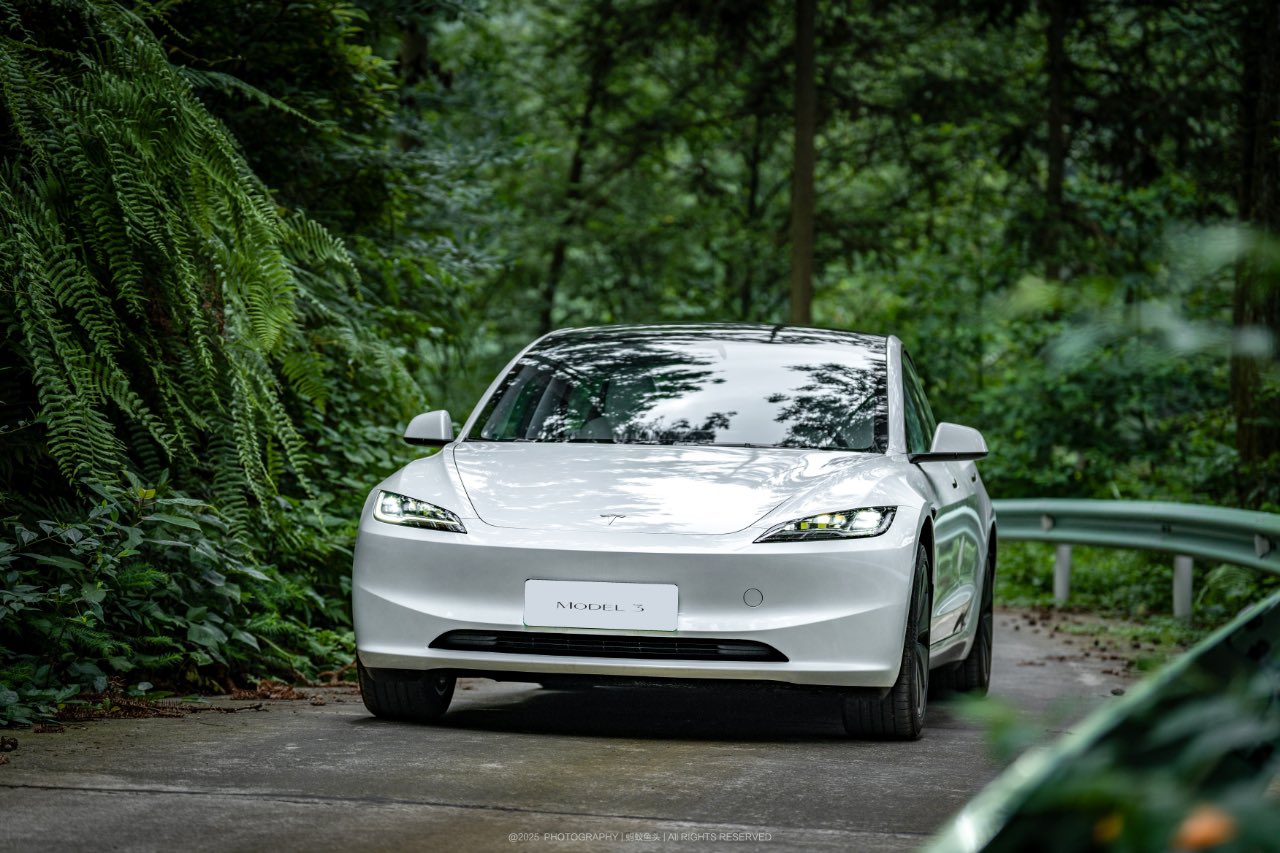
Tesla's Summer Update Teaches Your Car Your Routine — additional image

More Living in the App

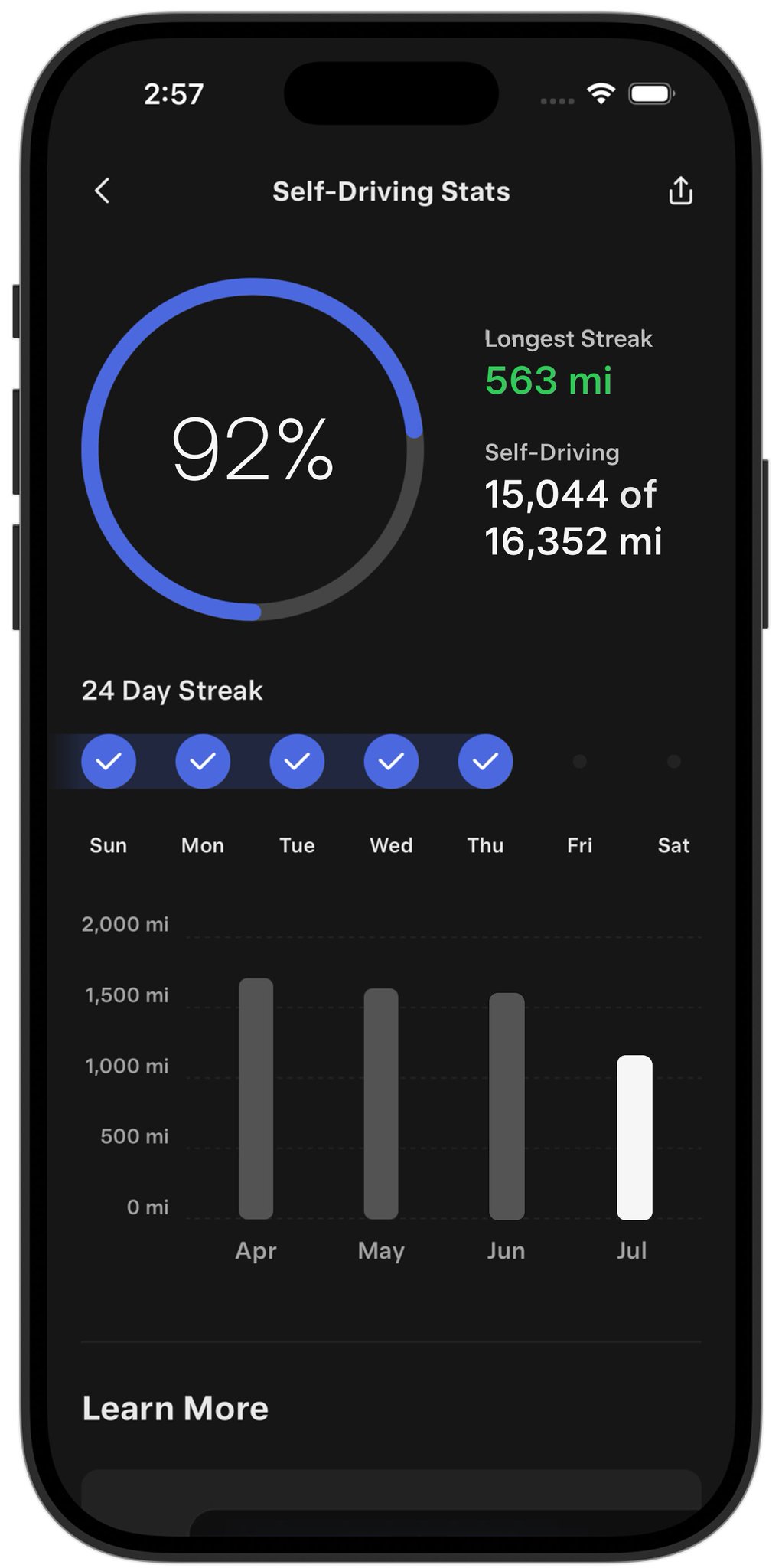
The update also pulls several functions out of the dashboard and into the phone. Owners can now view and share their self-driving statistics — including streaks and monthly mileage — directly from the mobile app, set a trip's desired Arrival Energy before they get in, and upload a fully custom vehicle wrap without the old USB-drive workaround, drawing on Tesla's public template repository.

Smaller touches round it out: searching Superchargers by name, adding Apple Music tracks to the queue from search, a preferred zoom level for the self-driving visualization, and a rear-display lock so back-seat passengers can watch content while the front row keeps control.

A Steady Cadence of Improvement

None of these items alone is dramatic, and that is rather the point. Tesla's advantage has always been that a car bought years ago keeps getting better over the air, and the Summer Update continues a run of releases that keep adding value long after purchase — the same momentum behind the wide rollout of FSD v14 Lite to older hardware.

As always, the software ships in waves and may take a few weeks to reach every vehicle. But the direction is unmistakable: with each update, a Tesla behaves a little less like a car with a screen and a little more like a device that quietly molds itself to the person behind the wheel.