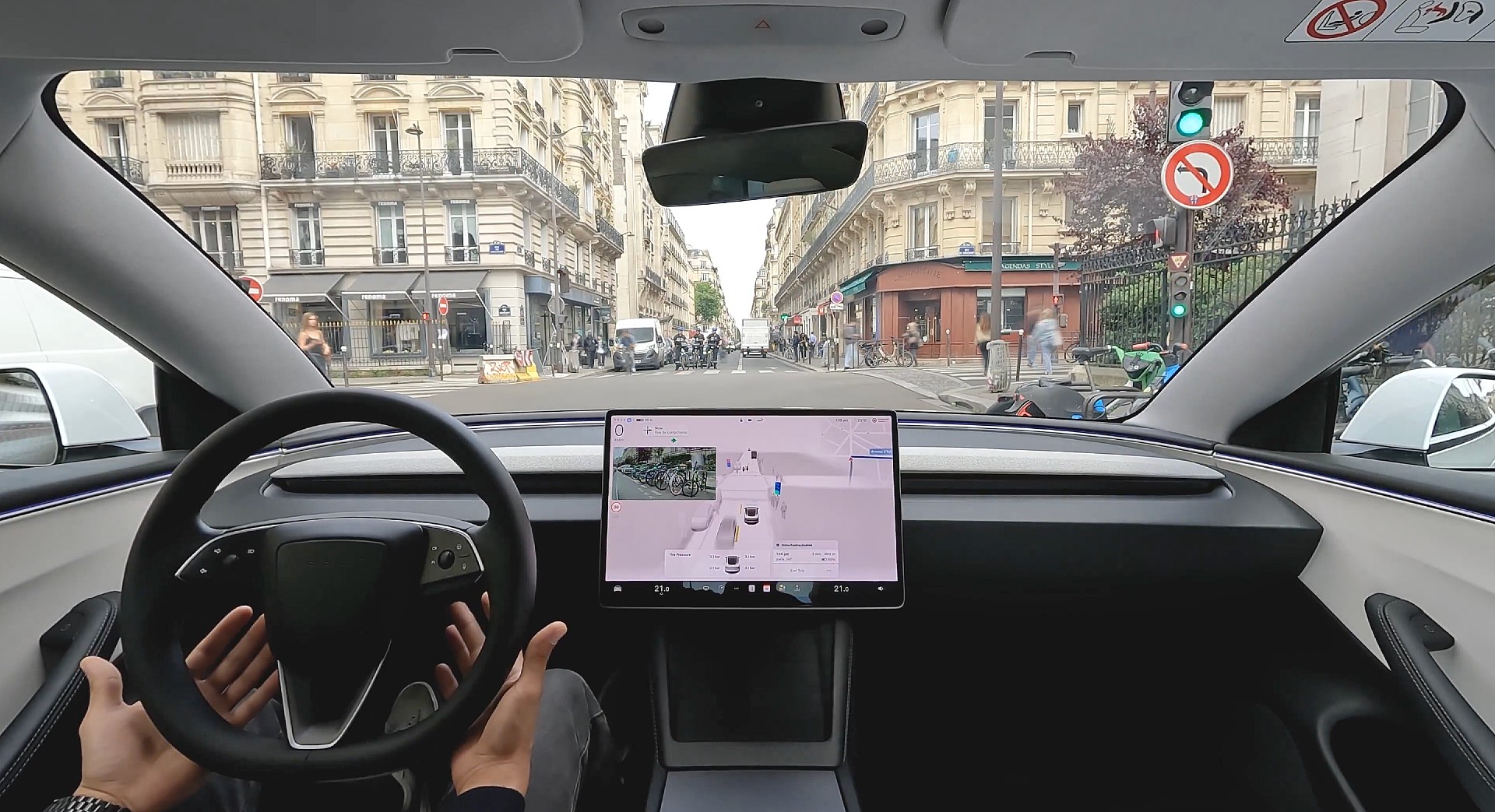

AUSTIN, Texas — Planning a road trip to a Tesla Supercharger in a non-Tesla EV is about to get far more predictable. Tesla is rolling out forecasted stall availability to vehicles with Google Maps built-in, bringing the same kind of smart charging guidance Tesla owners already enjoy to a much wider audience.
Predictive Charging for Everyone
Tesla announced the rollout on X, saying forecasted stall availability is going live globally for eligible EVs with Google Maps built-in. "This feature lets EV drivers know predicted Supercharger availability ahead of time," the company said, encouraging drivers to opt in to "help optimize charging for all drivers." Tesla's own navigation has long offered live and predicted availability, and this update extends a version of that intelligence to third-party screens, building on the broad access enabled by Tesla's open Supercharger network.
The new forecast appears as an "On arrival" line directly beneath the live plug count. It is not on by default; drivers are prompted to share trip and usage data with Tesla in Google Maps settings, after which the interface estimates how many stalls should be open by the time they arrive.
A Smarter, Self-Reinforcing Network
The data exchange behind the feature is clever. Tesla can already predict availability for its own customers because it knows how many Teslas are routing to a given site. By inviting third-party EV drivers to opt in and share routing data through Google Maps, Tesla creates a new data funnel that sharpens its forecasts for every driver, regardless of brand.