BOCA CHICA, Texas — A new federal space policy is setting the kind of target SpaceX has spent two decades building toward, and Elon Musk wasted no time putting his own number on it.
A day after President Trump signed a National Space Transportation Policy pushing the country toward 1,000 launches and reentries a year, Musk replied on X that SpaceX is “aiming to reach 30+ Starship launches/day in 2030, which is ~10k annualized,” adding that even that figure is “still tiny numbers compared to airplane flights.”
A Policy Built for Cadence
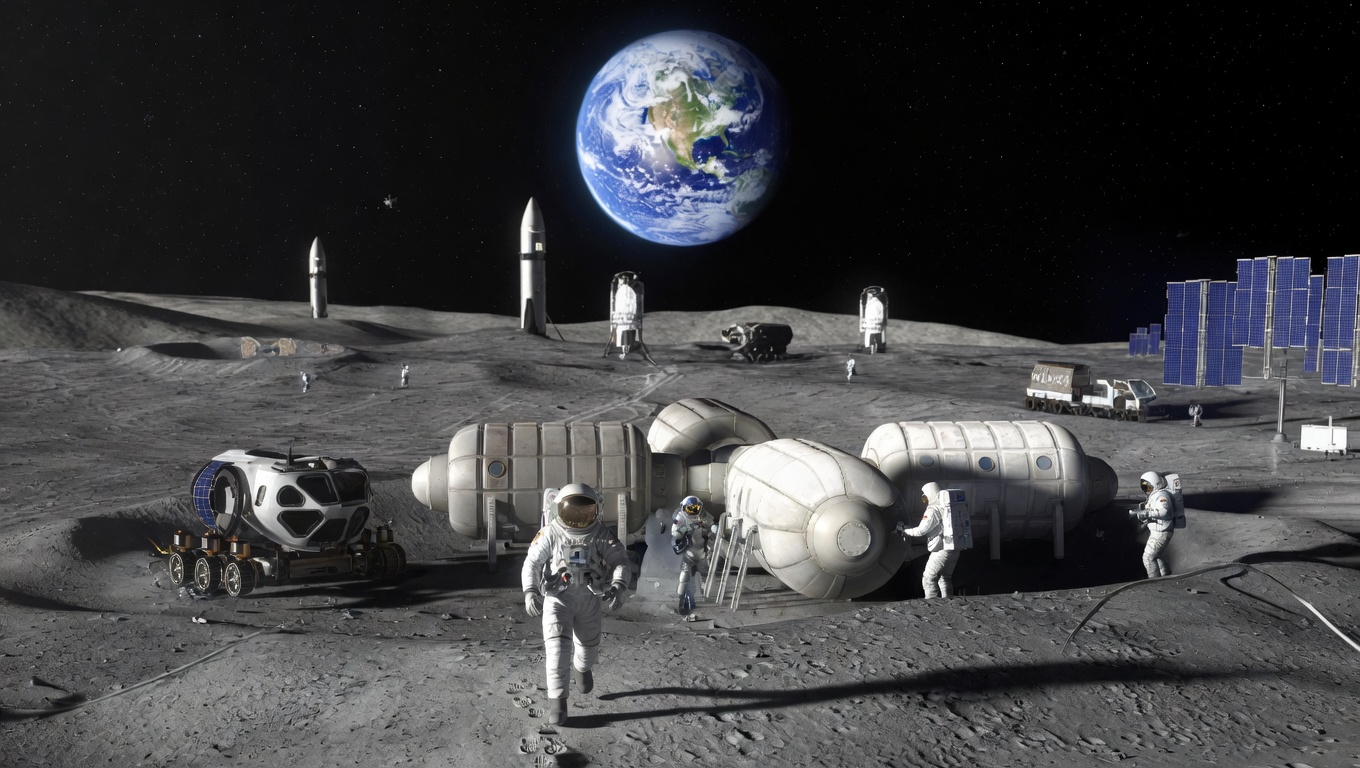
The memo, signed Thursday, directs agencies to identify new launch and reentry sites on federal land, including a new reentry site within 90 days, and to accelerate the permitting and environmental reviews that have historically slowed launch growth. It also sets a goal of returning American astronauts to the Moon by 2028 and placing initial lunar base elements by 2030, tying the buildout directly to NASA's Artemis program.
For SpaceX, the direction of travel is familiar. The company has already been pressing the FAA toward higher numbers, winning approval for up to 44 annual Starship launches from Kennedy Space Center and a raised cap at Starbase in Texas. Its Falcon fleet, meanwhile, keeps setting the pace for the industry, recently notching its 100th orbital mission of 2026.
Why the Numbers Add Up
The gap between today's cadence and Musk's 10,000-flight vision is enormous, but SpaceX's track record is what makes the target credible rather than fanciful. Reusable boosters, rapid turnaround, and a manufacturing base tuned for volume have let the company fly more often than the rest of the world combined. Scaling Starship to daily flights would multiply that capacity and slash the cost of reaching orbit.
That capacity is exactly what SpaceX's most ambitious plans require, from lunar missions to the next-generation Starlink constellation of up to 100,000 satellites built for the AI era. More launch slots, more approved sites, and faster reviews all point in the same direction: a launch industry finally sized to match SpaceX's output.
The Near-Term Test
The immediate proof point is more modest. SpaceX cleared a full-duration static fire on its next Starship vehicle this week, clearing the last major hardware checkpoint before Flight 14, which is expected to attempt the vehicle's first full orbital mission. As Teslarati reported in its coverage of the policy and Musk's response, the roadmap remains incremental in the short term even as the long-term ambition grows.
If the new policy delivers the launch sites and streamlined approvals it promises, SpaceX will have the regulatory runway to turn a handful of Starship flights a year into the daily cadence Musk is now describing.