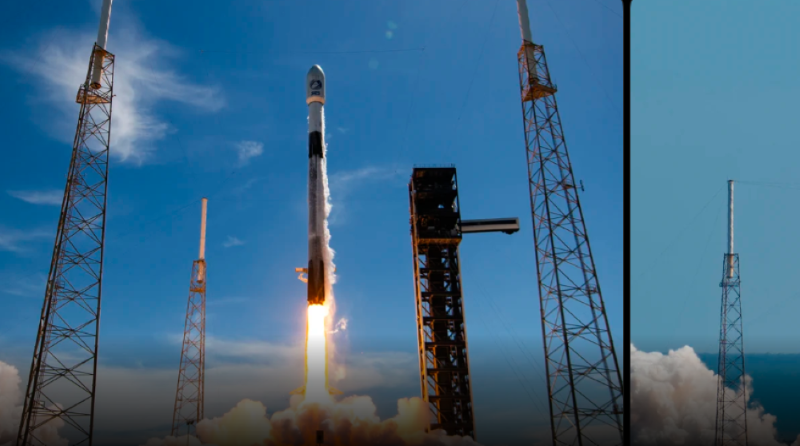
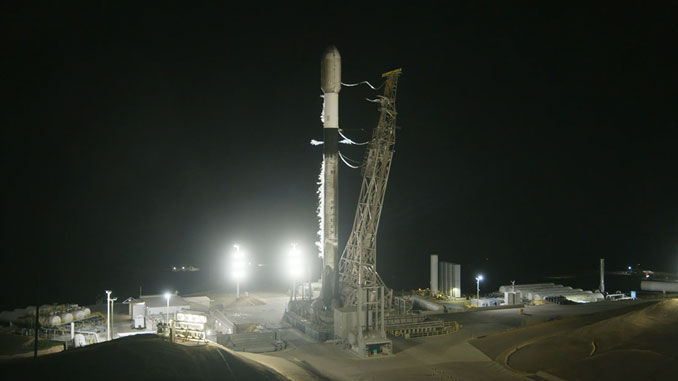
HAWTHORNE, Calif. — SpaceX is marking another milestone in a record-breaking year, preparing to launch its 80th Starlink mission of 2026 aboard a Falcon 9 rocket from Vandenberg Space Force Base in California. The Starlink 15-24 flight lifts off from Space Launch Complex 4 East, adding to a cadence that has already made 2026 the busiest launch year in the company's history.
A Veteran Booster Flies Again
The mission uses Falcon 9 first stage B1088 on its 19th flight, a booster that has previously flown three national security missions, Transporter-12, NASA's SPHEREx and 13 batches of Starlink satellites. About eight and a half minutes after liftoff, B1088 targets a landing on the droneship Of Course I Still Love You in the Pacific Ocean.
If successful, it will be the 223rd landing on that vessel and the 659th Falcon booster landing to date — figures that illustrate how thoroughly SpaceX has turned rocket reuse into routine. Reusability remains the engine behind the company's cadence, echoing the reliability push seen in its recent record-setting booster flights.
Shifting Priorities Toward Starship
The Starlink 15-24 flight is the third Starlink mission since SpaceX announced it would stop launching its broadband satellites from Florida on Falcon 9. "From here on, Starlink missions out of Florida will fly on Starship," said Kiko Dontchev, vice president for launch at SpaceX. The plan concentrates Falcon 9 Starlink work on the West Coast while Florida is readied for the far larger, fully reusable vehicle.