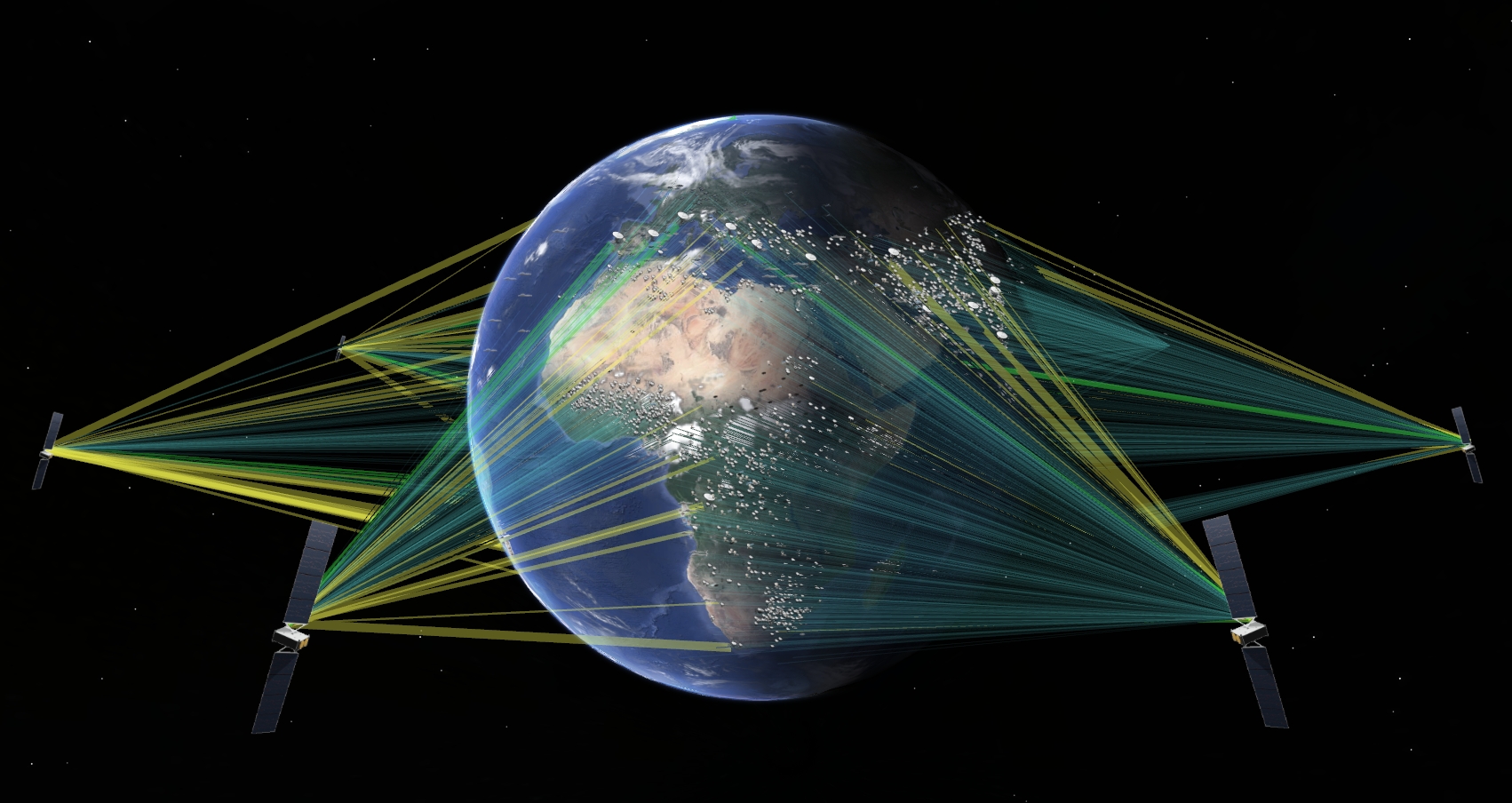

BOCA CHICA, Texas — SpaceX is preparing to put its next-generation Starlink V3 satellites into orbit for the first time, a milestone that promises one of the largest jumps in the constellation's history. The V3 spacecraft are engineered to deliver dramatically more bandwidth per satellite than the units flying today, and SpaceX plans to loft them by the batch as it scales the network toward its next tier of performance, according to details on the company's official launch page.
A New Class of Satellite
Where earlier Starlink satellites transformed rural and remote connectivity, the V3 generation is designed to raise the ceiling again, packing far greater downlink capacity into each spacecraft. That capacity leap matters because demand for satellite internet keeps climbing — from households beyond the reach of fiber to ships, aircraft and direct-to-cell service on ordinary phones. More throughput per satellite means faster speeds and more simultaneous users without a proportional increase in the number of launches.
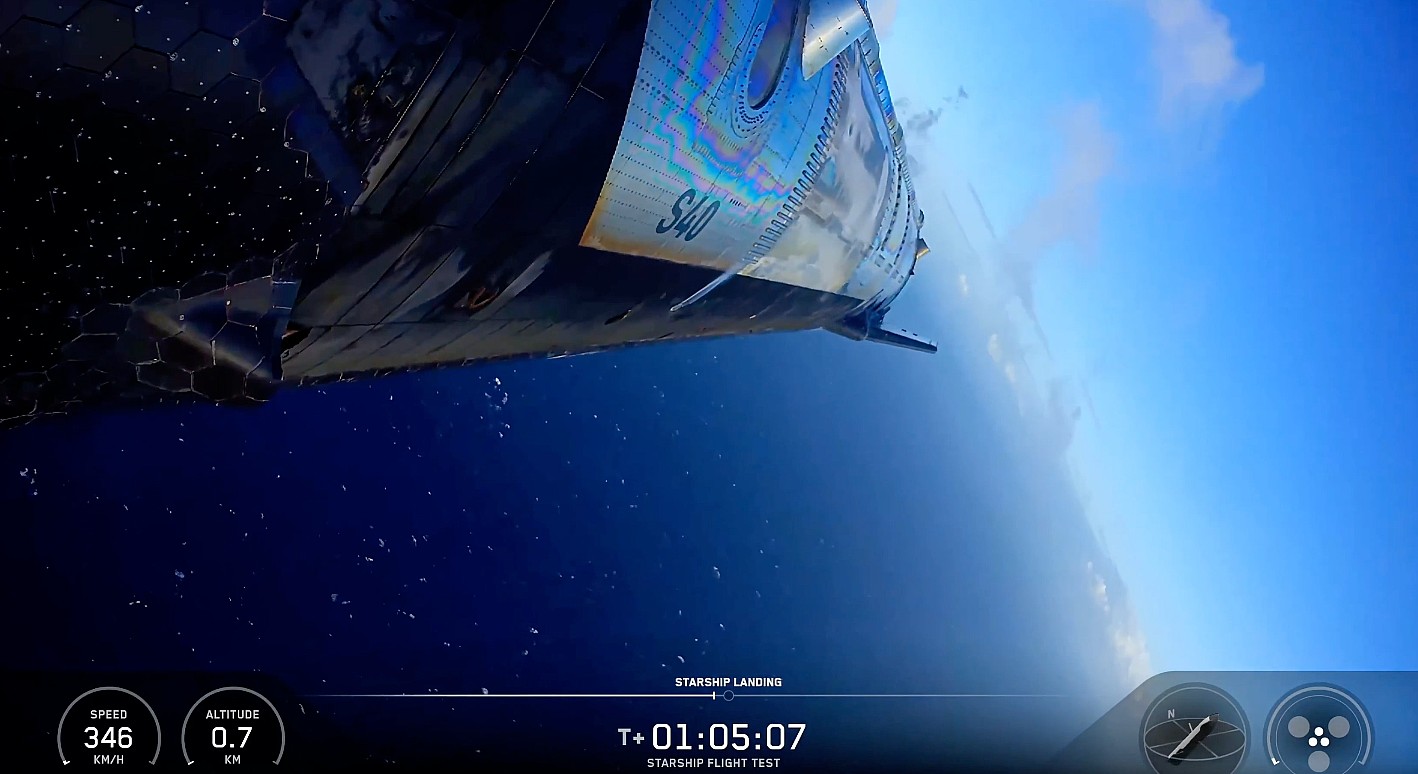
The V3 debut rides on the momentum of a program that has been setting a blistering cadence. SpaceX is targeting Starship's first orbital flight, which will help carry these larger satellites to space, pairing a bigger satellite with a bigger ride to orbit. The combination is central to SpaceX's plan to deploy far more capacity per mission than Falcon 9 alone can manage.
Built for Scale
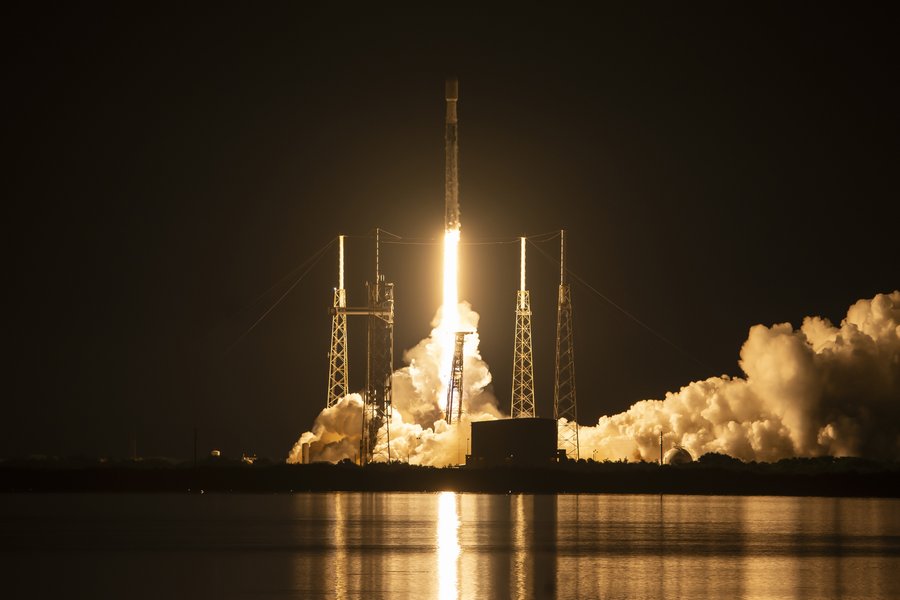
The engineering logic is straightforward: fewer, more capable satellites can do the work of many smaller ones, simplifying network management and stretching each launch further. SpaceX has spent 2026 refining exactly this kind of efficiency, from record booster reuse to completing entire constellations, including its 700th Falcon launch that wrapped up the SES O3b mPOWER fleet. Each milestone reinforces a manufacturing-and-launch machine that no competitor has come close to matching.