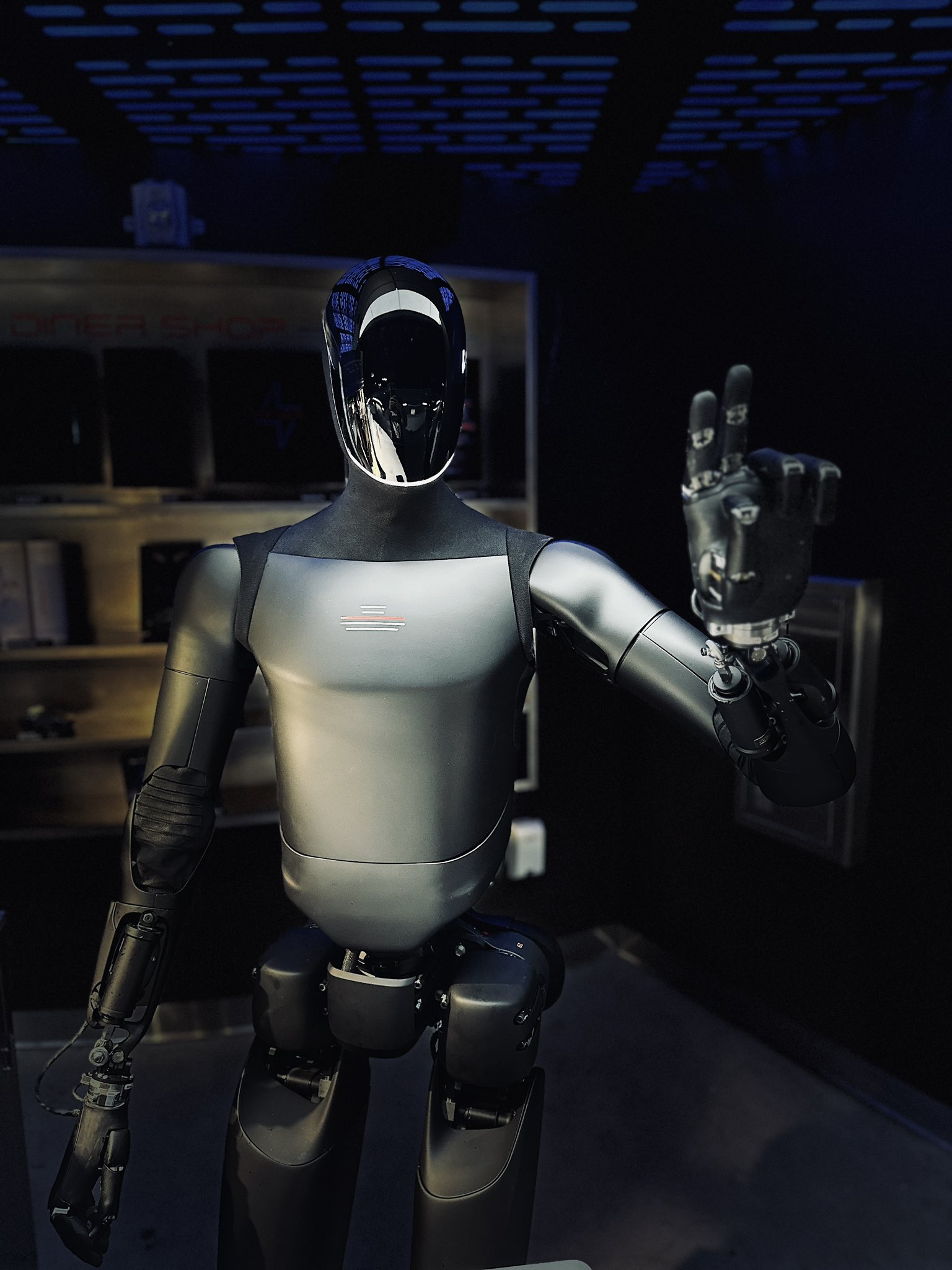
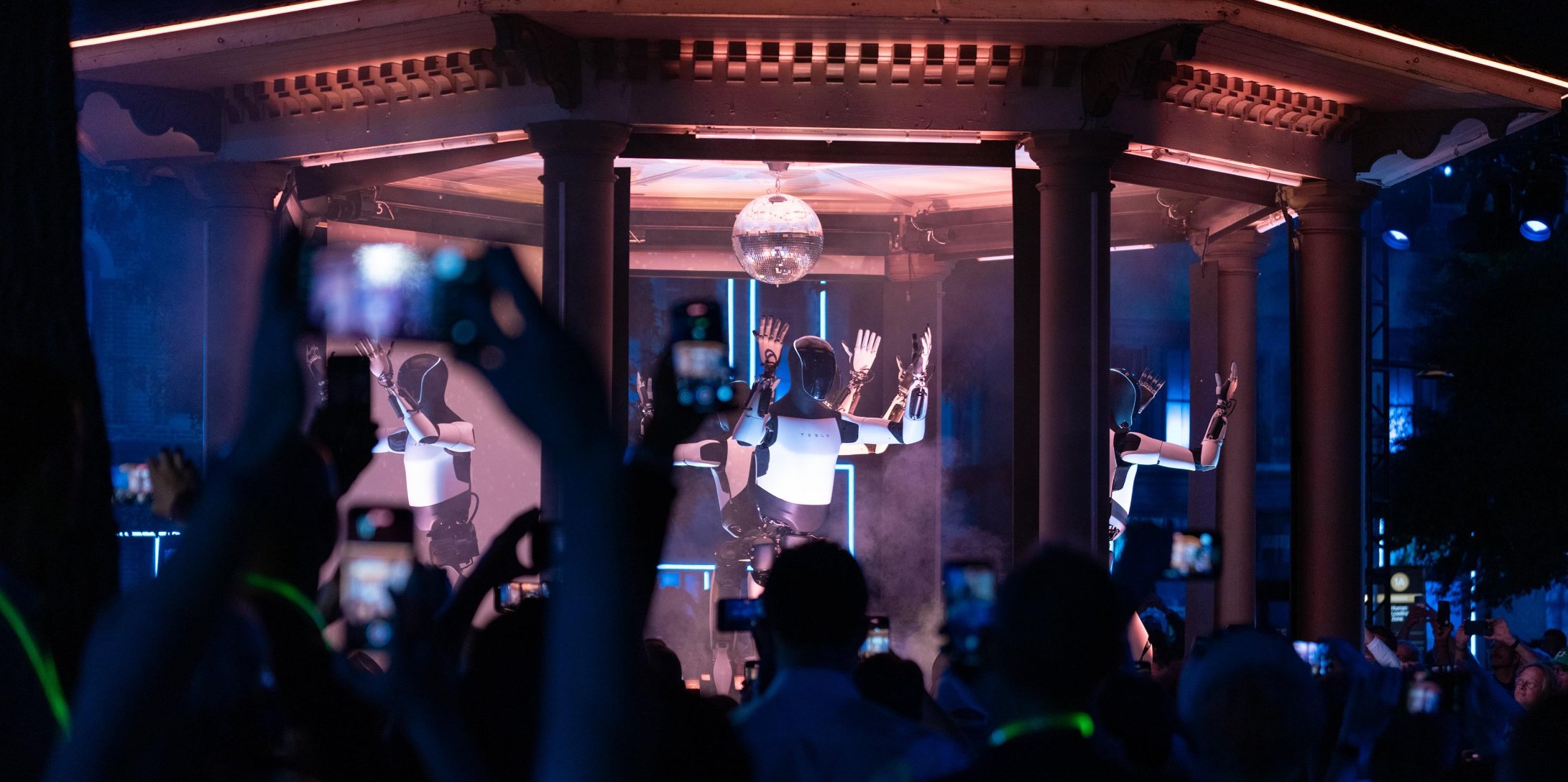
AUSTIN, Texas — Tesla put a concrete, and enormous, number on its humanoid robot ambitions this week when AI chief Ashok Elluswamy confirmed the company is building toward an annual capacity of 10 million Optimus units at Gigafactory Texas.
Elluswamy, who has led the Optimus program since June 2025, made the confirmation in a brief, three-word post on X on Thursday, July 30: "Correction, 10 million robots." The clarification tied a hard figure to a target Musk has floated repeatedly since Tesla's 2025 shareholder meeting, and it reframes just how large the company intends its robotics business to become.
A Number Bigger Than the Car Business
Ten million robots a year is a figure without precedent in manufacturing. It would mean Tesla producing more Optimus units annually than most countries sell in new passenger vehicles, and it underscores Musk's long-standing claim that Optimus could eventually become the most valuable product Tesla has ever made.
The scale is deliberate. Tesla has framed the 10-million-unit line as a second, dedicated facility rather than its first robot line. That first line, capable of roughly one million units a year, is being installed inside the Fremont factory on the floor space freed up when Tesla wound down Model S and Model X production earlier this year.
Two-Phase Build-Out
The plan splits Optimus manufacturing into two phases. The Fremont line handles early production and real-world data gathering, while a much larger purpose-built plant rises on the North Campus of Gigafactory Texas. That Texas facility broke ground on its first steel structure in May and is expected to reach volume production in 2027, according to Teslarati's reporting on the milestone.
Musk has estimated per-unit production costs of roughly $20,000 to $25,000 once Tesla reaches a million units annually, a price point that would make the robot broadly deployable across factories, warehouses and eventually homes. The company has not disclosed what the economics look like at ten times that volume, but the manufacturing leverage at that scale would be substantial.
Momentum on the Line
The confirmation lands as Tesla's robotics effort is visibly accelerating. Production tooling has been firing up at Fremont in recent weeks, with early units slated to support internal factory tasks while engineers refine the roughly 10,000 new parts that go into each robot.
That deliberate, data-driven ramp is characteristic of how Tesla scales hardware: prove the line, gather real-world performance data, then push volume aggressively once the process is locked in. With the Fremont line live and the Texas plant taking shape, Elluswamy's 10-million figure is less a slogan than a blueprint. If Tesla executes even a fraction of that capacity in the next few years, Optimus could reshape the company's identity from an automaker into the world's first mass manufacturer of general-purpose humanoid robots.