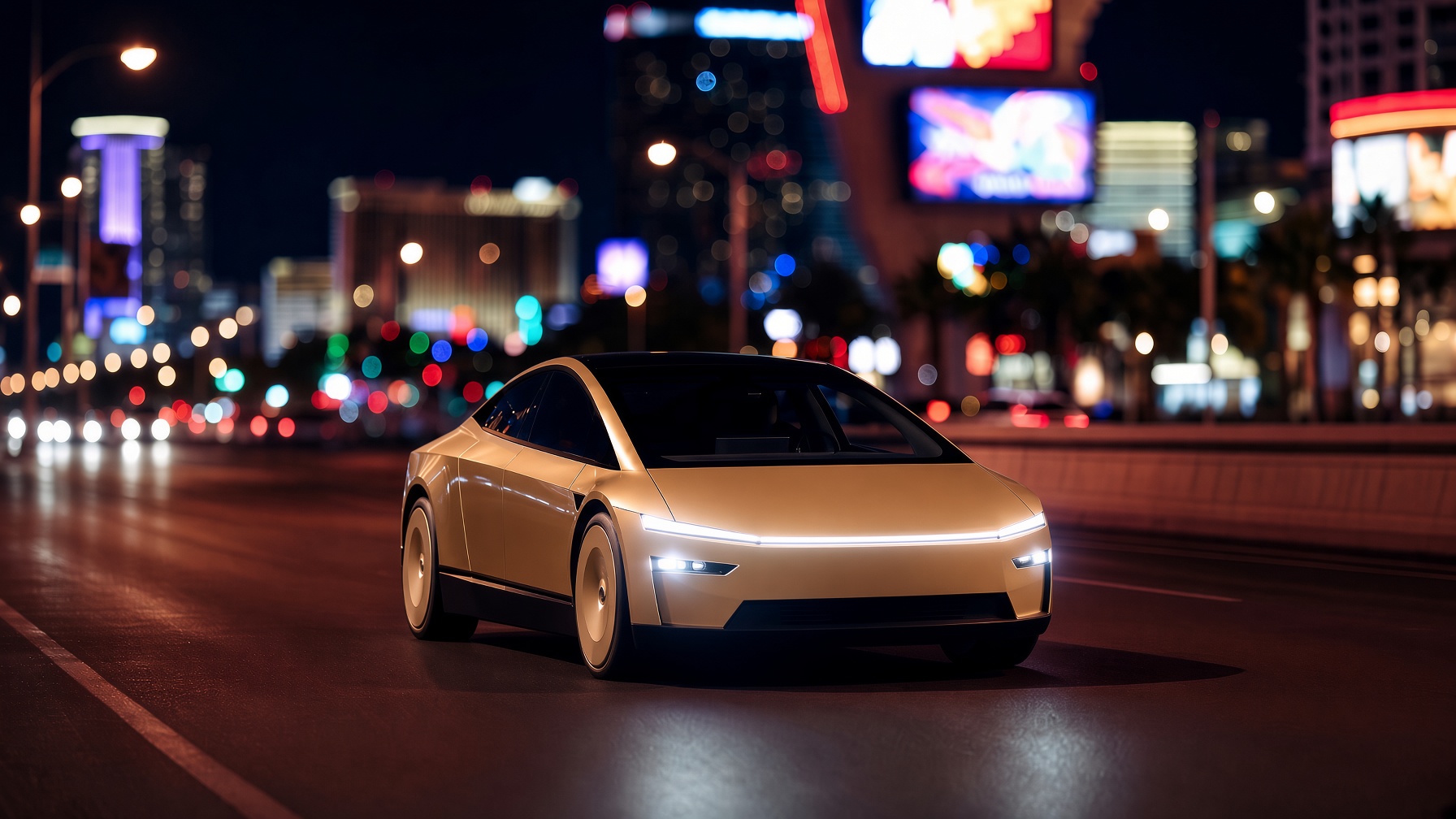
Nevada Clears Tesla for Paid Robotaxi Rides in Las Vegas

Nevada's Transportation Authority granted Tesla a commercial robotaxi permit for Clark County, authorizing up to 5,000 driverless vehicles for paid service in Las Vegas over the next year.

3 min read
Nevada Clears Tesla for Paid Robotaxi Rides in Las Vegas

AUSTIN, Texas — Tesla has cleared its most important regulatory hurdle yet in the desert. Nevada's Transportation Authority voted unanimously on Thursday to grant Tesla a commercial robotaxi permit covering Clark County, home to Las Vegas, authorizing the company to run driverless cars that pick up paying passengers with no one behind the wheel.

The approval allows Tesla to operate up to 5,000 fully autonomous vehicles in its first year — the largest single allocation among the three companies cleared in the same session. Alphabet's Waymo and Uber each received authorization for up to 1,000 vehicles, bringing the combined ceiling to roughly 7,000 to 8,000 driverless cars across the county over the next 12 months. It is one of the broadest robotaxi authorizations granted anywhere in the United States. Tesla, which has been steadily expanding public access to its autonomous fleet, now has a clear runway into one of the country's busiest tourist markets.

From Ten Cars to Thousands

The vote marks a dramatic expansion from where Tesla stood just weeks ago. When the company first applied in early June, regulators granted only ten vehicles under an interim order that confined Tesla to a geofenced stretch of the Las Vegas Strip, capped speeds at 45 miles per hour and required human supervision. Thursday's decision replaces that cautious framework with a full commercial permit, eleven weeks after the original filing.

Eric Early, Tesla's Cybercab chief engineer, told the commission the 5,000 figure is a ceiling rather than a target. He said Tesla would be extremely happy to reach roughly 2,500 vehicles within the first year, framing the constraint as operational — scaling maintenance, charging, insurance and inspections — rather than technological.
Nevada Clears Tesla for Paid Robotaxi Rides in Las Vegas — additional image

Vertical Integration as an Edge

Early pitched Tesla's in-house model as its competitive advantage, describing the company's products as mass scalable with design, engineering and manufacturing done entirely in-house and entirely in America. That vertical integration, from the car to the AI stack to the charging infrastructure Tesla is building for its robotaxi fleet, gives Tesla a cost and coordination advantage that rivals relying on third-party hardware cannot easily match.

Tesla still must complete administrative steps — vehicle inspections, insurance filings and rate disclosures — before commercial rides begin, a process expected to take about 30 days. The permit also lets Tesla expand elsewhere in Nevada after notifying the commission.

A Milestone Market

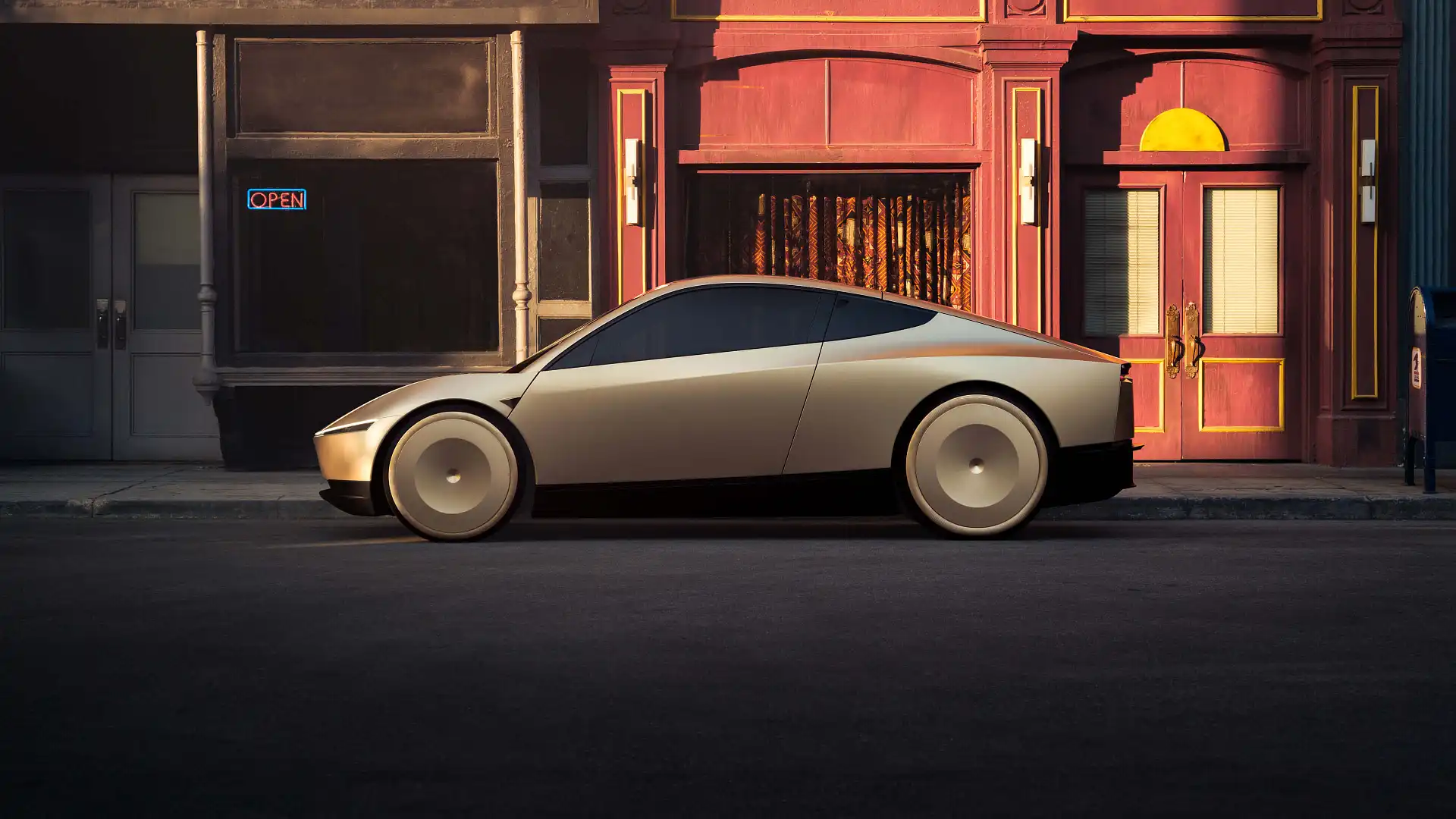
Las Vegas fills a notable gap in Tesla's robotaxi map, joining Austin, Dallas, Houston, Miami, Orlando and Tampa in an accelerating national rollout. The arrival also sets the stage for the purpose-built Cybercab — Tesla's two-seat robotaxi with no steering wheel or pedals — to enter commercial service. As reported by TechCrunch, the Nevada approvals reflect regulators growing more comfortable with driverless technology at scale.

With the permit in hand and inspections underway, Tesla is on track to turn the Strip into one of the largest driverless-ride markets in the world before the end of the year — another concrete step in Elon Musk's vision of autonomy as Tesla's defining business.